











Utility Task Vehicles (UTVs) are gaining strong traction in Brazil, a market characterized by vast agricultural land, diverse terrain, and rapidly growing tourism and private estate economies. Unlike markets where adoption is centralized, UTV usage in Brazil is highly fragmented across scenarios, while purchasing power is concentrated in specific sectors.
Understanding these real-world applications is essential for product definition, channel strategy, and long-term market positioning.
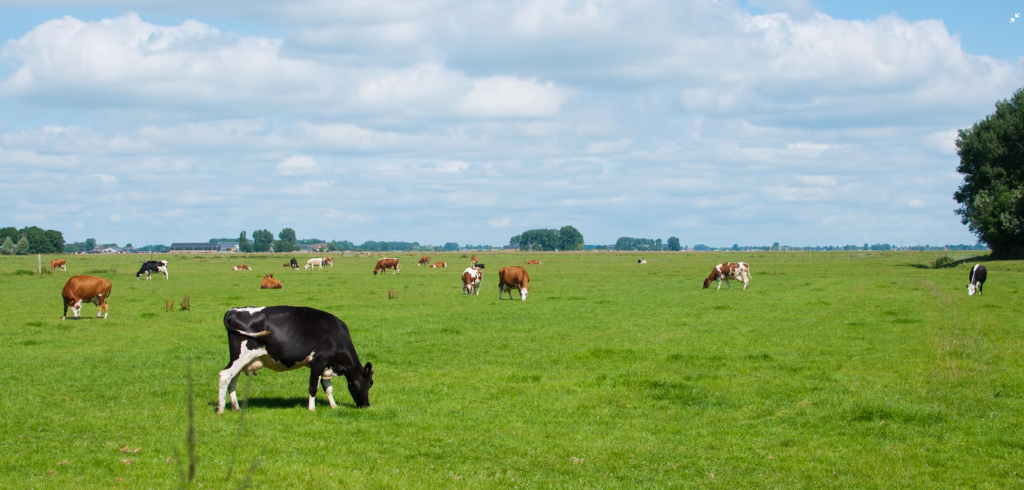
1. Agriculture and Livestock: Replacing Light Pickup Trucks in Large-Scale Farming
Brazil is one of the world’s largest agricultural exporters, and its central-west regions—such as Mato Grosso and Goiás—are home to massive farms often exceeding 10,000 hectares.
In these environments, UTVs are increasingly replacing traditional light pickup trucks as primary utility transport vehicles.
Key reasons for adoption:
- Lower operating and maintenance costs
- Better terrain adaptability in extreme conditions
- Reduced soil compaction compared to heavier vehicles
During the rainy season, farm roads become extremely muddy. Pickup trucks, due to their weight, often get stuck and also compress soil too heavily, negatively impacting crop yield. UTVs, with their lightweight structure and low-pressure off-road tires, offer superior mobility and reduced environmental impact.
Common agricultural applications:
- Hydraulic dump beds for fertilizer and tool transport
- Fence repair and equipment logistics
- Veterinary and livestock vaccination support
- Precision spraying systems for narrow crop rows inaccessible to tractors
With these capabilities, UTVs are evolving from auxiliary vehicles into essential field operation platforms in large-scale agriculture.
2. Tourism Rental and Coastal Economy: High-Frequency Usage Driving Fleet Turnover
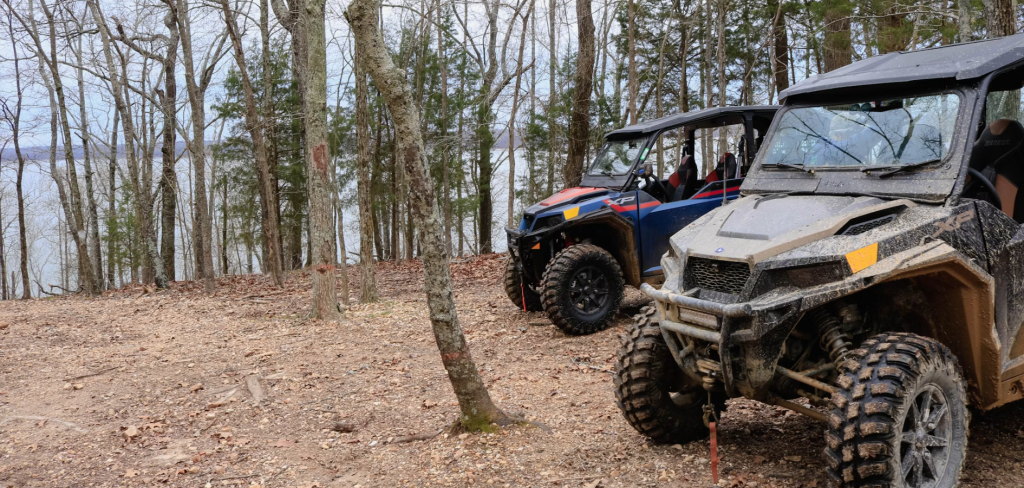
Brazil’s northeastern coastline is extensive and includes unique dune ecosystems such as Lençóis Maranhenses National Park. In many environmentally protected areas, conventional road vehicles are restricted, making UTVs one of the few legal mobility solutions for tourism and transport.
This has created a strong rental-driven B2B market.
Key characteristics of rental operators:
- Large-volume fleet purchases
- Extremely high daily utilization rates
- Strong demand for fast maintenance and spare parts supply
- High sensitivity to vehicle downtime
However, harsh environments—sand, humidity, and salt exposure—significantly increase wear and tear. As a result, the average service life of a rental UTV is typically only 2–3 years, creating a stable and predictable replacement cycle.
This makes the segment highly attractive as a recurring revenue market rather than a one-time sales opportunity.
3. Private Estates and High-End Residential Communities: Premium Mobility Demand
In wealthier regions such as São Paulo state and Minas Gerais, large gated estates are common among high-net-worth individuals. Within these private properties, UTVs serve not only as transportation tools but also as lifestyle vehicles.
Typical usage scenarios include:
- Short-distance internal commuting
- Family mobility within large estates
- Guest transportation for social visits
- Light-duty maintenance and logistics
Unlike agricultural or rental customers, this segment is far less price-sensitive but highly demanding in terms of product experience.
Key expectations include:
- Premium exterior and interior design
- High ride comfort
- Strong NVH performance (Noise, Vibration, and Harshness)
- Smart features such as digital dashboards, cameras, and connectivity systems
As a result, UTVs in this segment are gradually evolving into lifestyle and status-oriented vehicles rather than purely utility equipment.
4. Specialized Industrial Applications: High-Margin Customized Demand
Beyond mainstream markets, Brazil also has a growing demand for highly customized UTVs in industrial and public service sectors.
Typical end users include:
- Large mining companies (e.g., Vale)
- National power transmission maintenance departments
- Forestry fire prevention and emergency response systems
These applications are typically procurement-driven and highly specialized.
Examples of customized configurations:
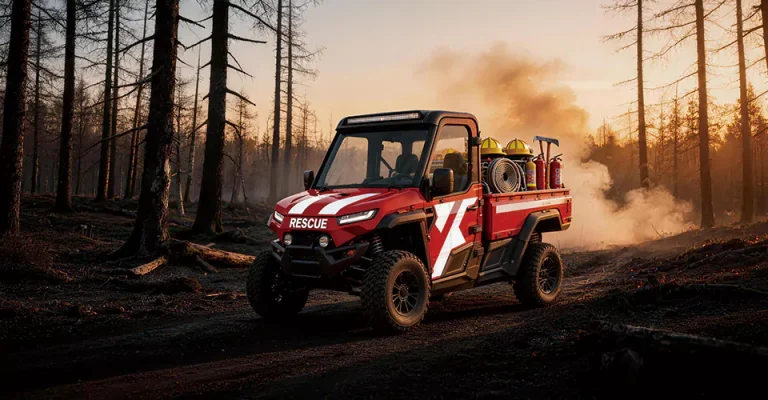
- Firefighting UTVs with 100L+ water tanks, high-pressure pumps, and independent engines
- Mining patrol UTVs with tracked modifications for extreme terrain
- Utility inspection vehicles with extended range and integrated tool systems
Although order volumes are smaller compared to agriculture, profit margins are significantly higher—often 30% or more above standard retail models.
Conclusion: A Multi-Layered UTV Market Structure in Brazil
The Brazilian UTV market can be summarized as a three-tier structure:
- Foundation Layer (Agriculture): Largest volume driver, core of market scale
- Mid Layer (Tourism & Rental): High utilization, stable replacement cycles, strong cash flow
- High-End Layer (Private Estates & Industry): Low volume but high-margin customization segment
This structure highlights an important reality: entering the Brazilian UTV market requires more than a single product strategy. Instead, it demands differentiated product positioning and segmented channel development.
Looking ahead, continued agricultural expansion, tourism growth, and increasing industrial specialization will further strengthen UTV adoption in Brazil, while pushing the industry toward smarter, more modular, and multi-functional vehicle platforms.
Jinjia Special Equipment provides high-quality and cost-effective ATVs and related off-road utility vehicles. For inquiries or cooperation, please contact: panjun@responsemobility.com