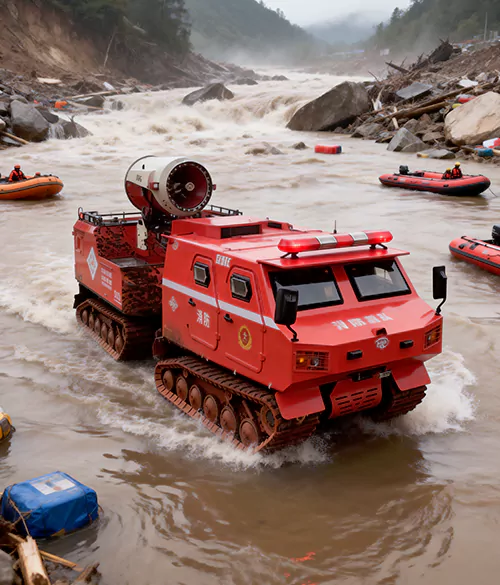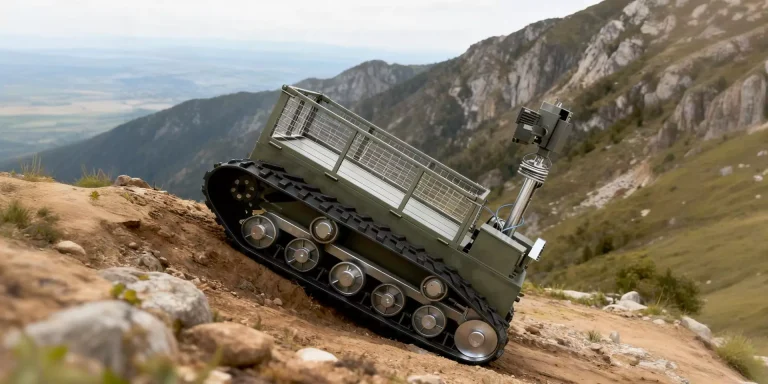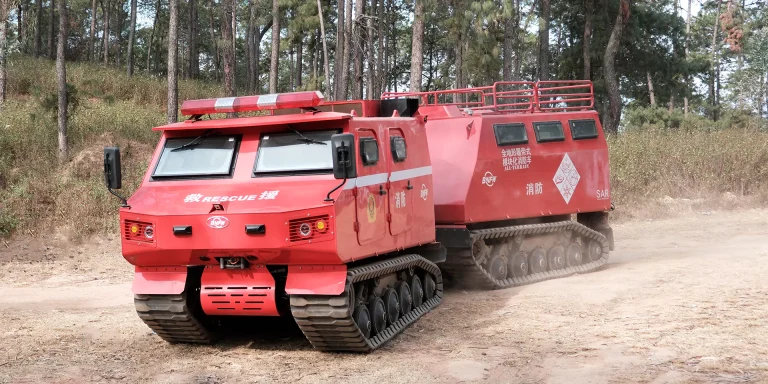











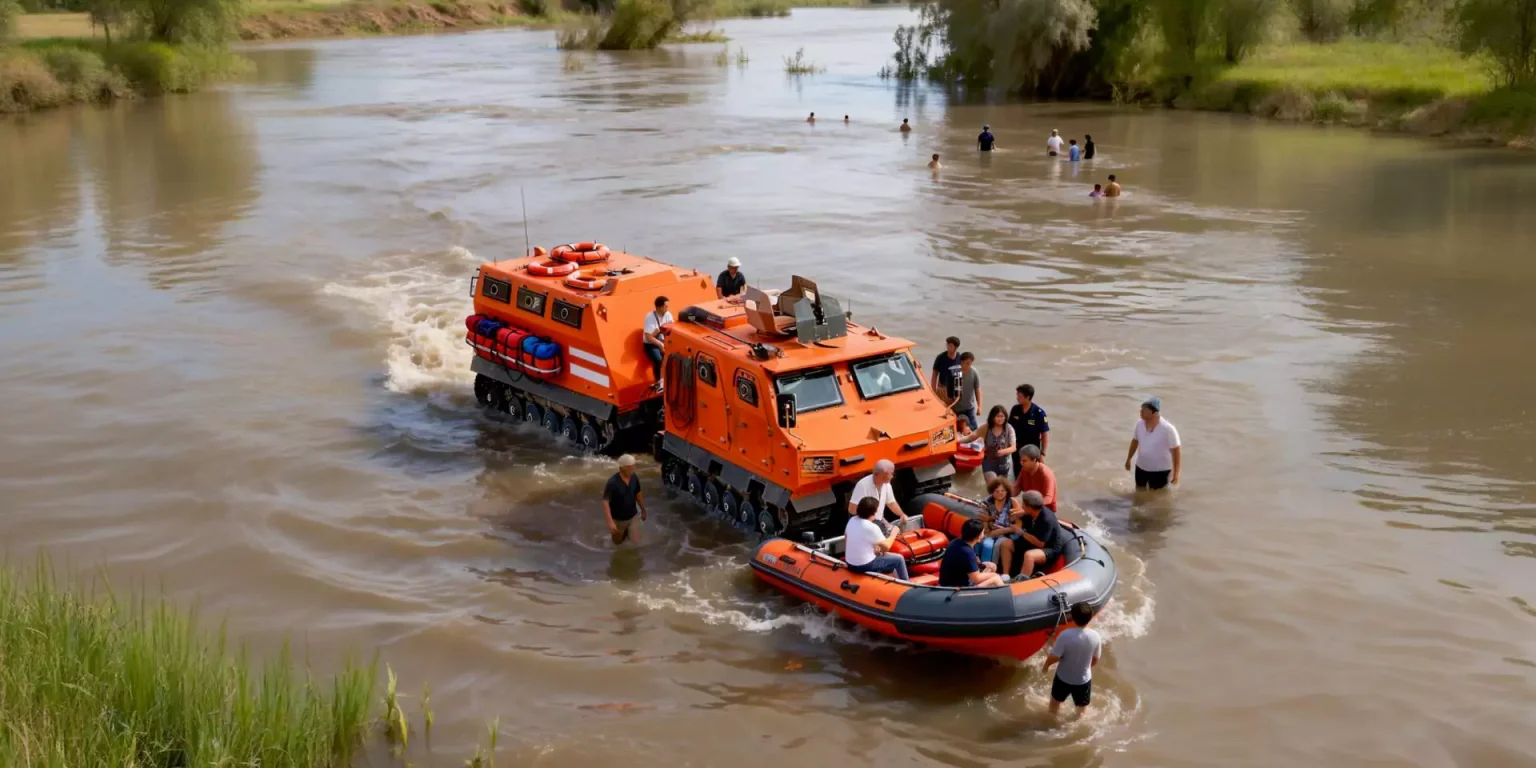
Rubber track vehicles have become increasingly popular across industries that require reliable performance in challenging environments. From construction and agriculture to forestry, mining, and off-road transportation, these vehicles offer significant advantages over traditional wheeled machines.
By replacing tires with continuous rubber tracks, operators gain improved traction, stability, and mobility across a wide range of terrains. Understanding the benefits of rubber track vehicles can help businesses choose the right equipment for demanding applications.
What Are Rubber Track Vehicles?
Rubber track vehicles are machines that use reinforced rubber tracks instead of conventional wheels. The tracks wrap around a system of drive sprockets, rollers, and idlers, creating a larger contact area with the ground.
Common examples include:
- Tracked utility vehicles
- Compact track loaders
- Agricultural machinery
- Construction equipment
- All-terrain transport vehicles
- Snow and swamp vehicles
These vehicles are specifically designed to operate efficiently in environments where wheeled vehicles may struggle.
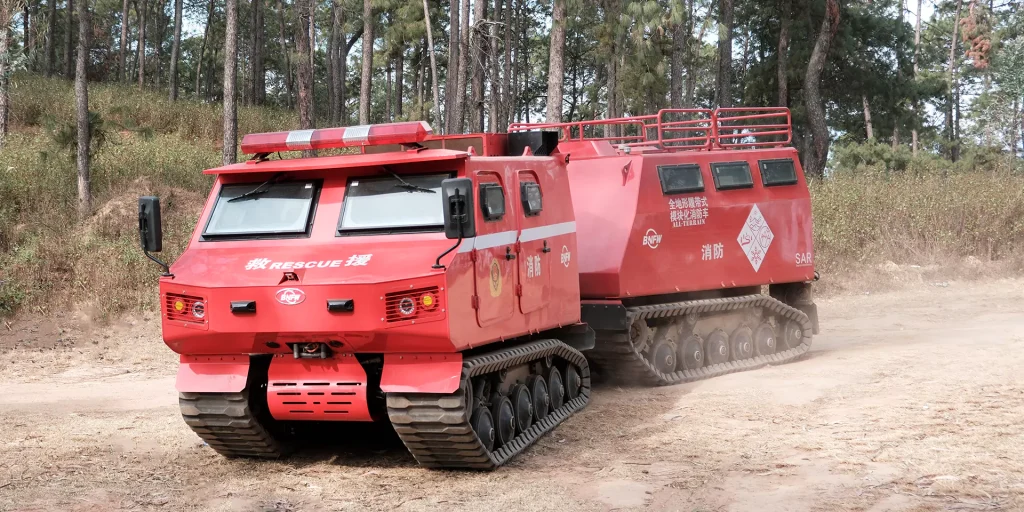
Superior Traction on Difficult Terrain
One of the greatest advantages of rubber track vehicles is their exceptional traction.
The large surface area of the tracks allows them to grip the ground more effectively than tires, helping vehicles travel through:
- Mud
- Sand
- Snow
- Ice
- Wet grass
- Loose gravel
- Rocky terrain
This enhanced traction reduces the likelihood of becoming stuck and improves overall operational efficiency.
Lower Ground Pressure
Rubber tracks distribute a vehicle’s weight across a much larger area than tires.
As a result, they generate lower ground pressure, which offers several benefits:
- Reduced soil compaction
- Less damage to crops and vegetation
- Improved flotation on soft ground
- Better performance in marshy or swampy areas
This feature is particularly valuable for agricultural and environmental applications where protecting the ground surface is important.
Enhanced Stability
The wider footprint of rubber track vehicles improves balance and stability during operation.
Benefits include:
- Greater confidence on slopes
- Reduced risk of tipping
- Improved control on uneven surfaces
- Better safety when carrying loads
Operators can navigate challenging terrain with greater precision and security compared to many wheeled alternatives.
Improved Mobility in All Weather Conditions
Weather can significantly impact vehicle performance, but rubber track vehicles are designed to handle a variety of conditions.
They perform effectively in:
- Heavy rain
- Snowstorms
- Icy conditions
- Wet fields
- Flood-prone areas
This versatility helps minimize downtime and allows operations to continue even when environmental conditions are less than ideal.
Reduced Surface Damage
Rubber tracks are generally gentler on the ground than steel tracks and often cause less surface damage than tires spinning in soft conditions.
Advantages include:
- Protection of landscaped areas
- Reduced rutting
- Less disturbance to soil structure
- Lower impact on sensitive environments
This makes rubber track vehicles suitable for both industrial and environmentally sensitive projects.
Better Ride Comfort
Modern rubber track systems often incorporate advanced suspension components that improve operator comfort.
Compared to rigid steel tracks, rubber tracks can:
- Absorb shocks more effectively
- Reduce vibration
- Provide smoother travel
- Improve operator productivity during long working hours
A more comfortable ride can also help reduce fatigue and improve workplace safety.
Excellent Performance in Remote Areas
Many industries operate in locations with limited road access.
Rubber track vehicles excel in remote environments such as:
- Forests
- Mountain regions
- Oil and gas sites
- Mining operations
- Wildlife reserves
- Construction projects
Their ability to travel across rough terrain allows personnel, equipment, and materials to reach areas that may be inaccessible to conventional vehicles.
Increased Productivity
Because rubber track vehicles can maintain mobility in difficult conditions, they often contribute to higher productivity.
Benefits include:
- Reduced downtime
- Faster access to job sites
- Reliable operation throughout the year
- Greater efficiency in material transport
For many businesses, these advantages translate into lower operating costs and improved project timelines.
Rubber Track Vehicles vs. Wheeled Vehicles
| Feature | Rubber Track Vehicles | Wheeled Vehicles |
|---|---|---|
| Traction | Excellent | Good |
| Soft Ground Performance | Outstanding | Moderate |
| Ground Pressure | Low | Higher |
| Stability | Excellent | Moderate |
| Surface Protection | Better | Lower |
| Off-Road Capability | Superior | Limited |
| Travel Speed on Roads | Lower | Higher |
While wheeled vehicles often offer faster speeds on paved roads, rubber track vehicles provide unmatched performance in challenging off-road environments.
Industries That Benefit from Rubber Track Vehicles
Agriculture
Farmers use rubber track vehicles to minimize soil compaction while maintaining mobility in wet fields.
Construction
Construction companies rely on tracked equipment to navigate uneven job sites and transport materials efficiently.
Forestry
Forestry operations benefit from the ability to travel through soft ground with reduced environmental impact.
Mining
Mining companies use rubber track vehicles to move personnel and equipment safely through rugged terrain.
Emergency Response
Search-and-rescue teams often depend on tracked vehicles to access disaster zones and remote locations.
Conclusion
Rubber track vehicles offer numerous advantages, including superior traction, lower ground pressure, enhanced stability, improved mobility, and reduced surface damage. These benefits make them an ideal solution for industries operating in demanding environments where conventional wheeled vehicles may struggle.
As technology continues to advance, rubber track vehicles are becoming even more efficient, comfortable, and versatile, making them an increasingly valuable asset for businesses worldwide.
For more information about rubber track vehicles and customized off-road transportation solutions, contact JINJIA Special Equipment at panjun@responsemobility.com. JINJIA team can help you select the right vehicle for your specific operational needs and terrain conditions.