











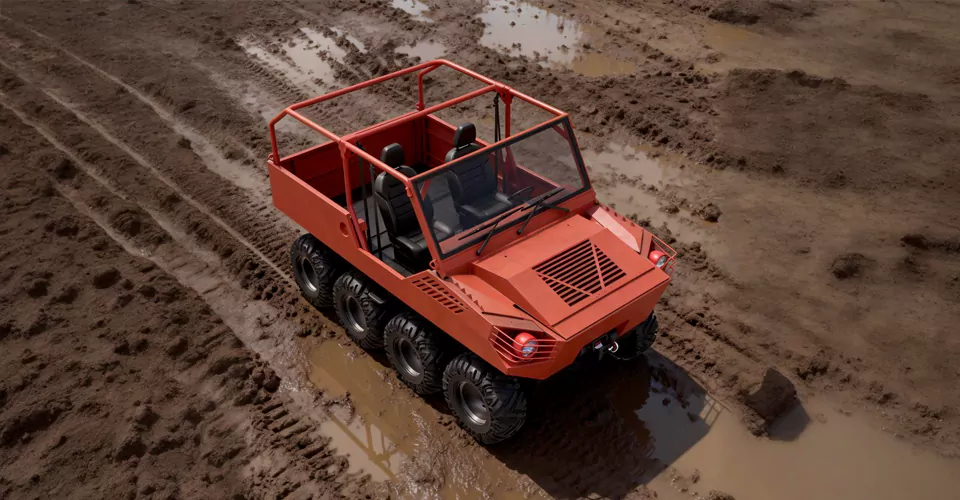
An EREV, or Extended-Range Electric Vehicle, is a type of electric vehicle that uses both an electric motor and a small onboard engine or generator to extend driving range. Unlike traditional hybrid vehicles, an EREV is primarily powered by electricity, while the secondary power source is mainly used to recharge the battery when needed.
This design combines the benefits of electric driving with the longer operating range of fuel-powered systems, helping reduce range anxiety and improve operational flexibility.
How Does an EREV Work?
An Extended-Range Electric Vehicle operates mainly through its electric drivetrain. The wheels are powered by electric motors, while the battery supplies the primary source of energy during normal driving conditions.
When the battery level becomes low, the onboard range extender — usually a gasoline or diesel generator — automatically activates to recharge the battery or supply additional electrical power. Unlike conventional internal combustion vehicles, the engine in an EREV typically does not directly drive the wheels.
This setup allows the vehicle to maintain electric-powered operation while significantly increasing total driving range.
EREV vs Hybrid Vehicle
Although EREVs and hybrid vehicles both combine electric and fuel-based systems, their operating principles are different.
| Feature | EREV | Hybrid Vehicle |
|---|---|---|
| Main Power Source | Electric motor | Engine + electric motor |
| Engine Function | Generates electricity | Can directly drive wheels |
| Driving Experience | Mostly electric | Mixed power delivery |
| Electric-Only Capability | Longer | Usually shorter |
| Fuel Dependence | Lower | Higher |
In most EREVs, the electric motor remains the primary driving force, providing a smoother and quieter driving experience.
Advantages of EREV Technology
Reduced Range Anxiety
One of the biggest advantages of EREVs is the ability to extend vehicle range beyond what a battery alone can provide. Drivers can continue operating the vehicle even when charging infrastructure is limited.
Lower Fuel Consumption
Because the vehicle primarily runs on electricity, EREVs generally consume less fuel than traditional gasoline or diesel vehicles.
Quieter Operation
Electric drivetrains produce less noise and vibration, improving comfort and reducing environmental noise pollution.
Improved Flexibility
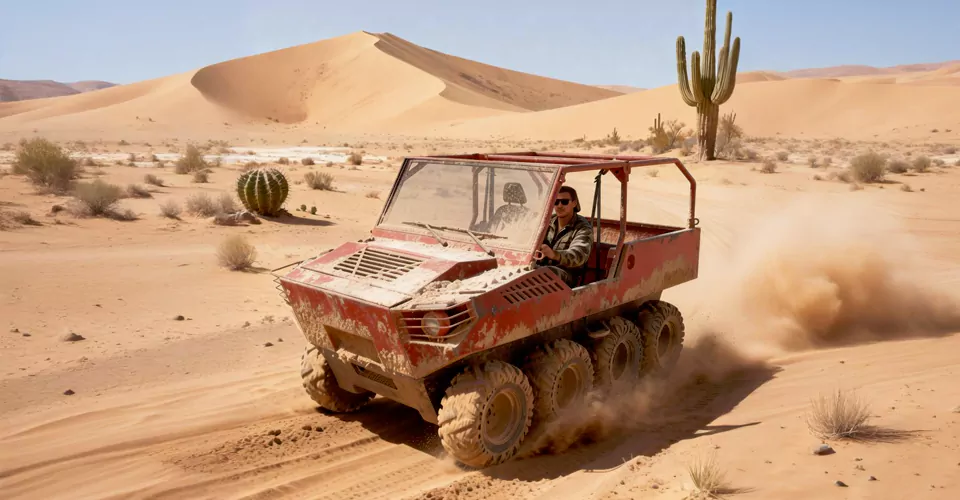
EREVs are suitable for both urban and remote operations, making them practical for industries that require longer operating times or travel in areas without reliable charging infrastructure.
Common Applications of EREVs
Extended-range electric technology is increasingly used across different vehicle categories and industries.
Passenger Vehicles
Many automotive manufacturers are developing EREV passenger vehicles to combine electric mobility with longer travel capability.
Off-Road and Utility Vehicles
EREV systems are becoming increasingly popular in off-road and industrial vehicle applications, including utility vehicles, amphibious vehicles, tracked platforms, emergency response vehicles, and remote industrial transport systems. These applications benefit from the combination of electric efficiency, reduced fuel consumption, quieter operation, and extended driving range, especially in environments where charging infrastructure may be limited.
Emergency and Rescue Operations
In emergency response environments, EREV systems can provide quieter operation, lower thermal signatures, and reduced fuel dependency while maintaining long working durations.
Challenges of EREV Vehicles
Although EREV technology offers many advantages, there are still some challenges.
EREVs are generally more complex than fully electric vehicles because they combine battery systems, electric motors, and onboard generators. This can increase manufacturing costs and maintenance requirements.
In addition, the vehicle still relies partially on fuel, meaning it is not completely emission-free like a fully battery-electric vehicle (BEV).
EREV vs BEV: What’s the Difference?
A BEV (Battery Electric Vehicle) relies entirely on battery power and external charging infrastructure, while an EREV includes an onboard generator that helps extend operating range.
| Feature | EREV | BEV |
|---|---|---|
| Power Source | Battery + range extender | Battery only |
| Charging Requirement | Lower dependence | Full dependence |
| Operating Range | Longer | Limited by battery |
| Fuel Usage | Partial | None |
| Long-Distance Flexibility | Higher | Depends on charging network |
EREVs are often viewed as a practical transition between traditional fuel vehicles and fully electric mobility.
Future Trends in EREV Technology
As battery technology and electric drivetrains continue to improve, EREV systems are becoming more efficient, lightweight, and adaptable.
Future developments may include:
- Advanced battery systems
- Hydrogen-powered range extenders
- Smart energy management systems
- Modular electric platforms
- Fully integrated off-road electric mobility systems
EREV technology is expected to play an important role in industries that require long-duration operation, extreme-terrain mobility, and reduced environmental impact.
Conclusion
An Extended-Range Electric Vehicle (EREV) combines electric propulsion with an onboard power generator to deliver both electric efficiency and extended operational range. This technology helps reduce fuel consumption while improving flexibility for long-distance and remote operations.
From passenger transportation to industrial utility platforms and off-road mobility systems, EREVs are becoming an increasingly important part of the future electric vehicle industry.
For advanced mobility platforms and next-generation off-road vehicle solutions, contact Jinjia Special Equipment at: panjun@responsemobility.com