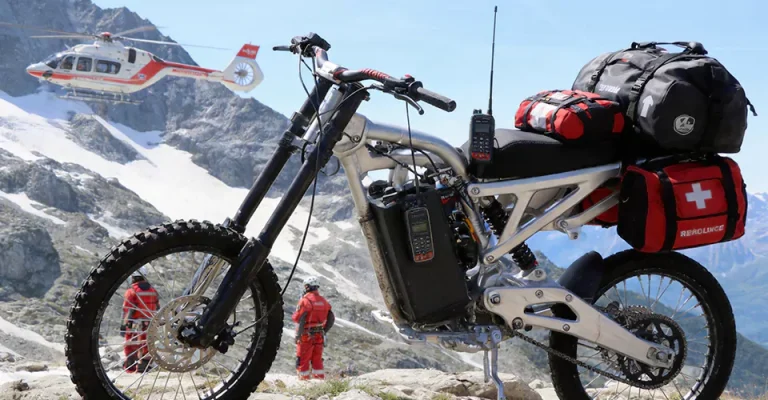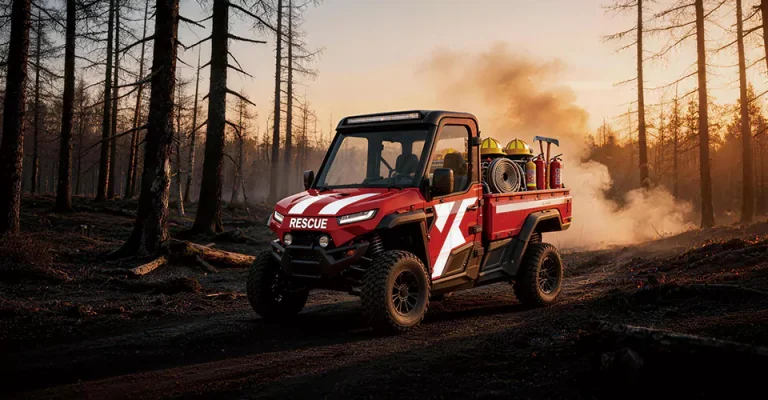


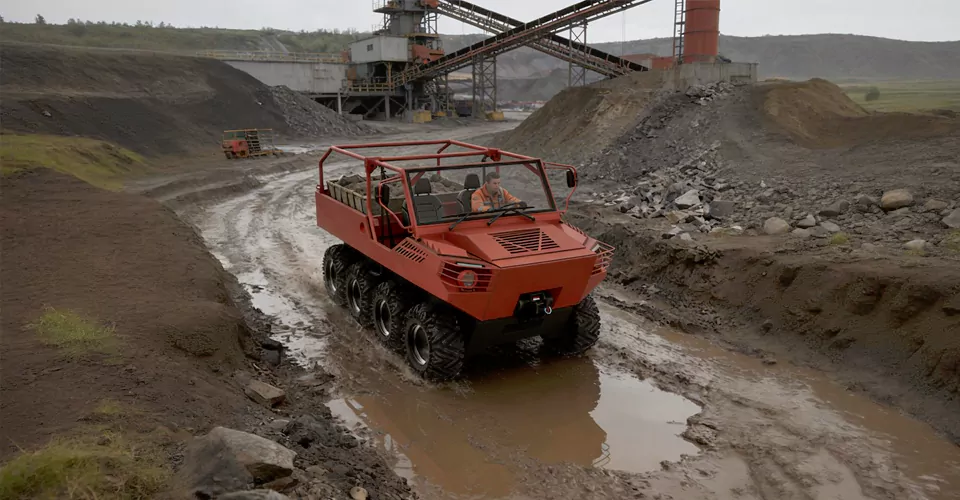
When it comes to navigating extreme environments, traditional vehicles often face limitations. Deep mud, loose sand, snow, rocky trails, and flooded areas can quickly challenge even highly capable four-wheel-drive vehicles. This is where 8-wheel vehicles stand out. With additional wheels, improved traction, and enhanced stability, these specialized vehicles are designed to handle some of the world’s most demanding terrains.
But what makes 8-wheel vehicles more suitable for extreme terrain? Let’s explore the key advantages behind their growing use in off-road exploration, rescue operations, and challenging outdoor environments.
Enhanced Traction on Difficult Surfaces
One of the biggest advantages of an 8-wheel vehicle is increased traction. With eight wheels distributing power across a larger contact area, the vehicle can maintain better grip on unstable surfaces such as mud, sand, snow, and loose gravel.
When one or more wheels lose contact with the ground, additional wheels help maintain forward movement. This makes 8-wheel vehicles especially effective in environments where traction can change suddenly.
For extreme terrain driving, better traction means improved climbing ability, reduced wheel slip, and greater confidence when facing obstacles.
Lower Ground Pressure
Extreme terrain often includes soft surfaces where heavy vehicles can become stuck. An 8-wheel design helps reduce ground pressure by spreading the vehicle’s weight across more wheels.
Lower ground pressure allows the vehicle to travel across:
- Deep snow
- Swamps and wetlands
- Soft sand
- Muddy trails
- Unstable ground
Instead of sinking into soft terrain, the vehicle can move more efficiently while minimizing environmental impact.
Improved Stability and Balance
Stability is critical when driving through uneven landscapes. Rocky trails, steep slopes, and rough surfaces can create situations where a vehicle may lose balance.
An 8-wheel vehicle offers a longer and wider support base, helping improve stability during challenging conditions. The additional wheels allow the vehicle to better distribute weight and maintain contact with the terrain.
This advantage is especially important for rescue vehicles, military applications, exploration vehicles, and industrial transport equipment operating in remote areas.
Better Obstacle-Crossing Capability
Extreme environments often include obstacles such as rocks, trenches, fallen trees, and uneven terrain. An 8-wheel vehicle can handle these challenges more effectively because multiple wheels can work together to overcome obstacles.
The vehicle can maintain movement even when some wheels encounter difficult angles or rough surfaces. This capability makes 8-wheel platforms valuable for applications where reliability and mobility are essential.
Increased Payload Capacity
Many extreme-terrain vehicles are designed to carry equipment, supplies, or passengers in remote locations. The additional wheels help distribute heavier loads more effectively.
This makes 8-wheel vehicles suitable for:
- Emergency rescue missions
- Remote area transportation
- Scientific exploration
- Industrial operations
- Specialized utility applications
The ability to carry more equipment without sacrificing mobility is a major advantage in demanding environments.
Enhanced Performance in Harsh Weather Conditions
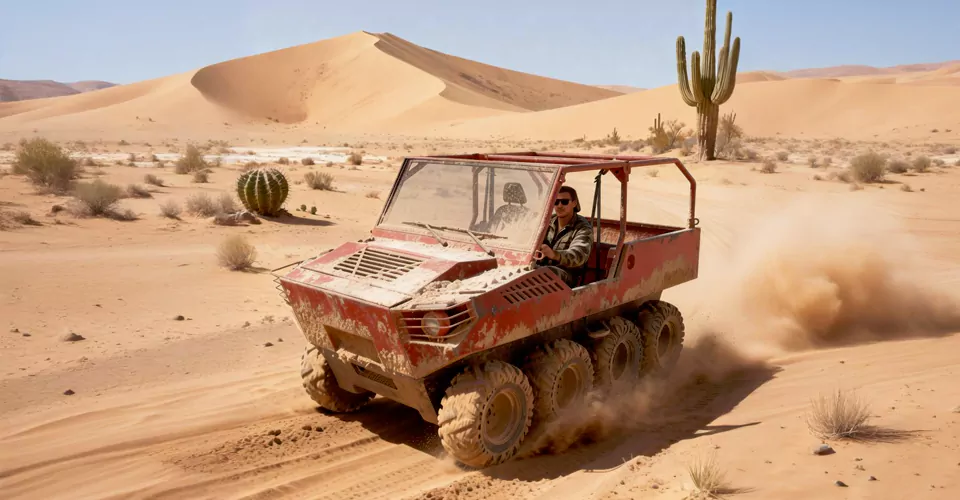
Extreme terrain is often combined with extreme weather. Snowstorms, heavy rain, flooding, and desert heat can create additional challenges for vehicles.
An 8-wheel vehicle’s improved traction and stability allow it to perform more reliably in unpredictable conditions. Whether crossing icy landscapes or navigating flooded areas, these vehicles are built to provide dependable mobility when standard vehicles may struggle.
Versatility for Specialized Applications
8-wheel vehicles are not only designed for recreational off-roading. Their unique capabilities make them useful in a variety of professional fields, including:
- Search and rescue
- Emergency response
- Defense and security
- Mining and industrial operations
- Arctic and wilderness exploration
In these situations, vehicle reliability can directly impact mission success and safety.
The Future of Extreme Terrain Mobility
As industries continue to explore remote environments, the demand for advanced off-road mobility solutions is increasing. 8-wheel vehicles represent an important development in extreme terrain transportation by combining strength, stability, and adaptability.
Manufacturers such as Jinjia Special Equipment focus on developing specialized mobility solutions designed for challenging environments, helping organizations improve operational efficiency and vehicle performance in demanding conditions.
For more information about extreme-terrain vehicle solutions, contact Jinjia Special Equipment at info@responsemobility.com.
Conclusion
8-wheel vehicles provide significant advantages for extreme terrain because of their superior traction, lower ground pressure, improved stability, and enhanced obstacle-crossing ability. Whether used for adventure, rescue, exploration, or professional operations, these vehicles offer the capability needed to travel where ordinary vehicles cannot.
For anyone seeking reliable mobility in the world’s toughest environments, an 8-wheel vehicle represents a powerful combination of engineering, performance, and versatility.