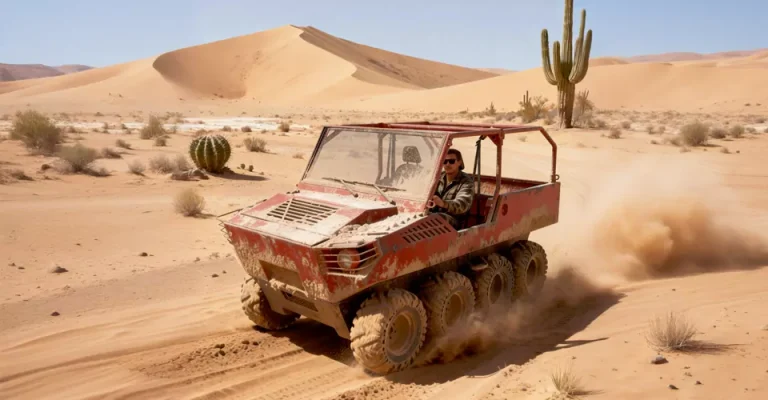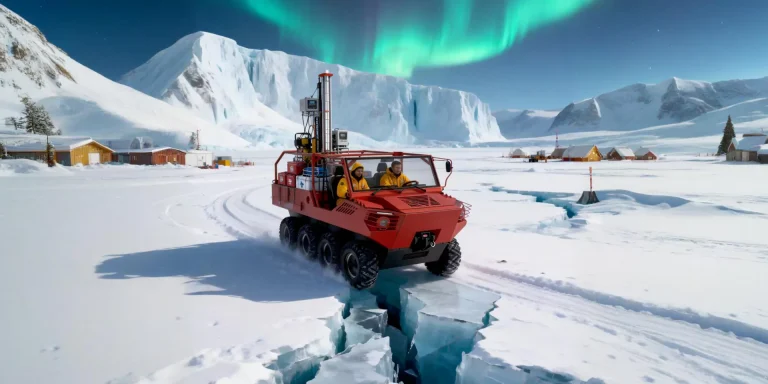











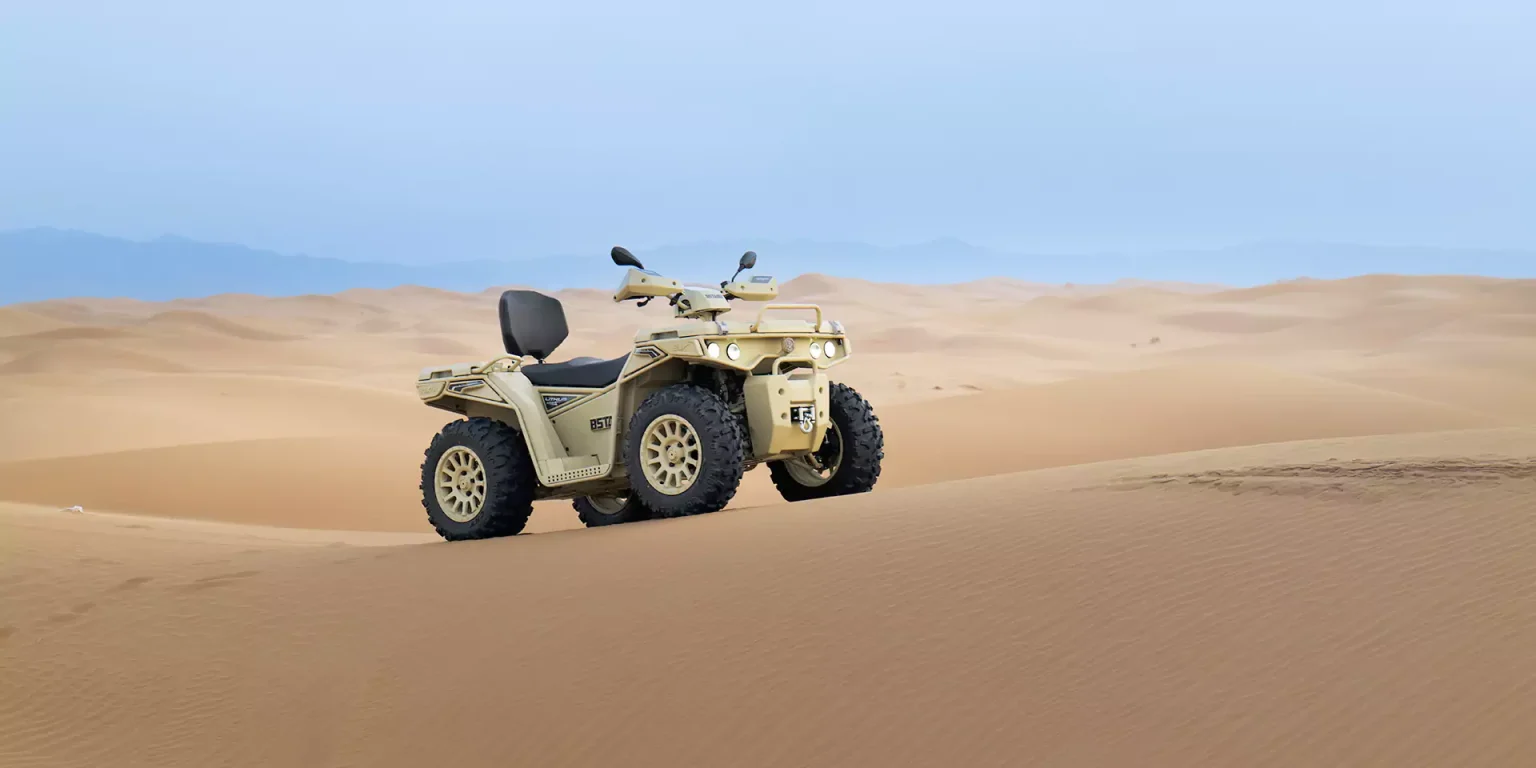
Off-road vehicles come in many forms, but two of the most versatile and often compared options are amphibious vehicles and ATVs (All-Terrain Vehicles). While both are designed for challenging environments, they serve very different purposes. Understanding their strengths, limitations, and ideal use cases can help you choose the right one for your needs.
What Is an ATV?
An ATV (All-Terrain Vehicle) is a small, open vehicle designed to handle rough land terrain such as dirt trails, sand, mud, and rocky paths. It typically has four wheels, a straddle seat, and handlebars for steering—similar to a motorcycle but more stable on uneven ground.
Key Features of ATVs:
- Designed for land-only travel
- Lightweight and highly maneuverable
- Excellent for trails, farms, forests, and dunes
- Can carry one or two riders depending on model
- Generally more affordable than amphibious vehicles
Common Uses:
- Recreation and off-road sports
- Agricultural work
- Hunting and forestry
- Short-distance utility transport on rough terrain
What Is an Amphibious Vehicle?
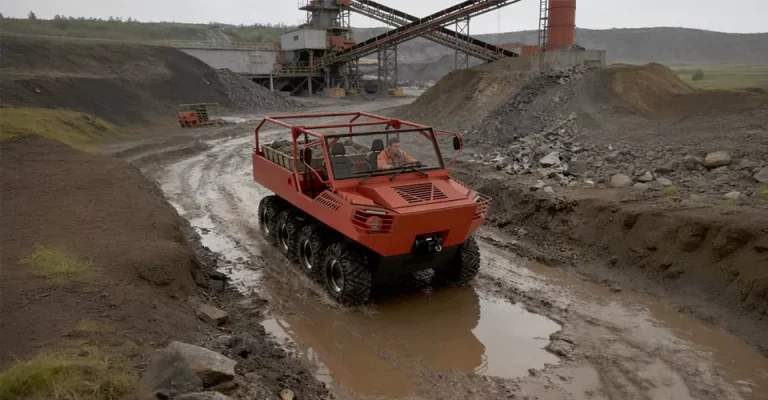
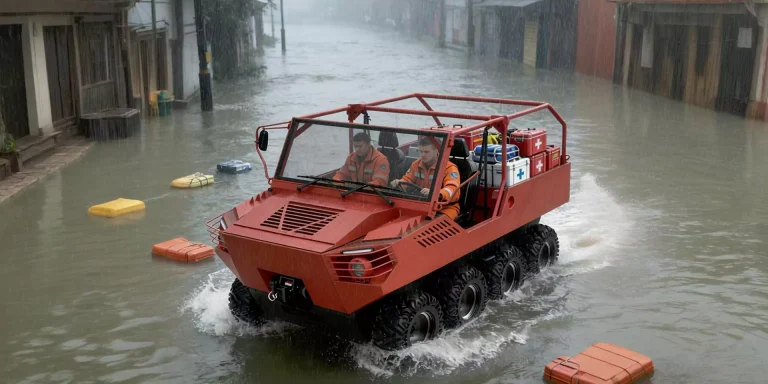
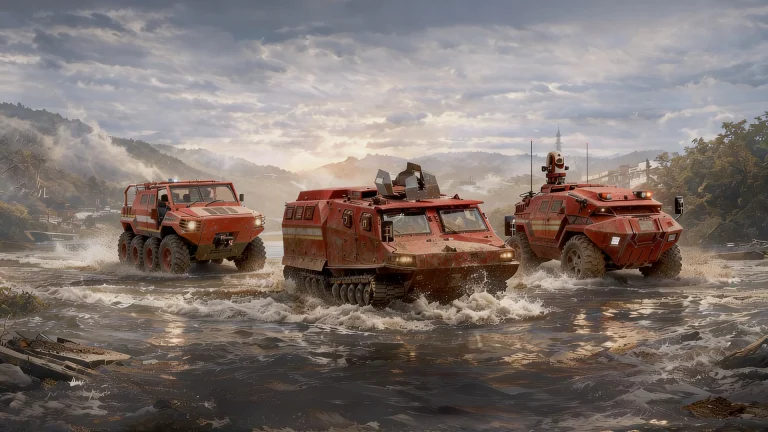
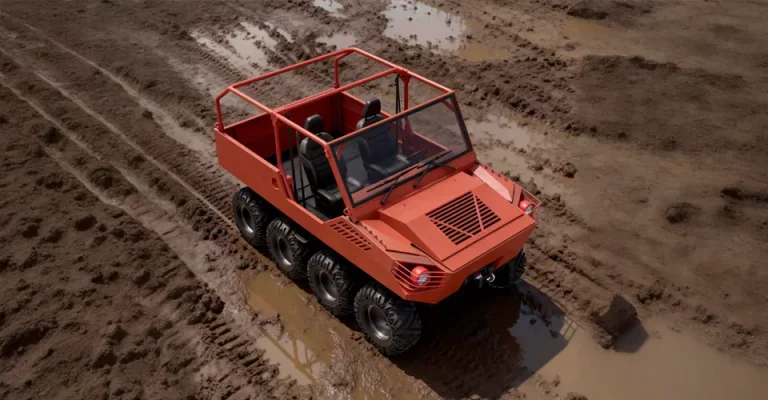
An amphibious vehicle is a specialized machine designed to operate on both land and water. It can transition between driving on roads or rough terrain and floating or moving through water without needing a separate vehicle.
Key Features of Amphibious Vehicles:
- Dual capability: land + water operation
- Sealed hull or buoyant body design
- Propulsion systems for both terrain types (wheels + water jet or propeller)
- Larger and heavier than ATVs
- Highly specialized engineering
Common Uses:
- Military and rescue operations
- Flood response and disaster relief
- Wetland, marsh, and swamp exploration
- Remote logistics in water-rich environments
- Adventure tourism in extreme conditions
Amphibious Vehicle vs ATV: Key Differences
1. Terrain Capability
- ATV: Land only (even if it handles mud and shallow water, it cannot float)
- Amphibious Vehicle: Operates on both land and water
2. Design Complexity
- ATV: Simple mechanical structure
- Amphibious Vehicle: Complex dual-mode engineering with sealing and propulsion systems
3. Speed and Performance
- ATV: Faster and more agile on land
- Amphibious Vehicle: Slower on land and water due to heavier build
4. Cost
- ATV: Generally affordable and widely available
- Amphibious Vehicle: Significantly more expensive due to specialized design
5. Use Cases
- ATV: Recreation, farming, sport, short utility tasks
- Amphibious Vehicle: Rescue missions, military use, extreme terrain access
Which One Should You Choose?
Choose an ATV if you:
- Need a vehicle for land-based off-road travel
- Want something affordable and easy to maintain
- Use it for recreation, farming, or trail riding
Choose an amphibious vehicle if you:
- Work in rescue, military, or emergency response
- Operate in wetlands, flood zones, or mixed land-water environments
- Need maximum terrain versatility regardless of cost
Final Thoughts
While ATVs and amphibious vehicles both belong to the off-road category, they are built for completely different worlds. ATVs excel in speed, simplicity, and land performance, while amphibious vehicles provide unmatched versatility across land and water.
Choosing between them depends entirely on your environment and purpose—whether you need a fast trail machine or a vehicle that can quite literally go beyond land limits.
For more information about amphibious vehicles and related special equipment solutions, you can contact Jinjia Special Equipment at panjun@responsemobility.com.