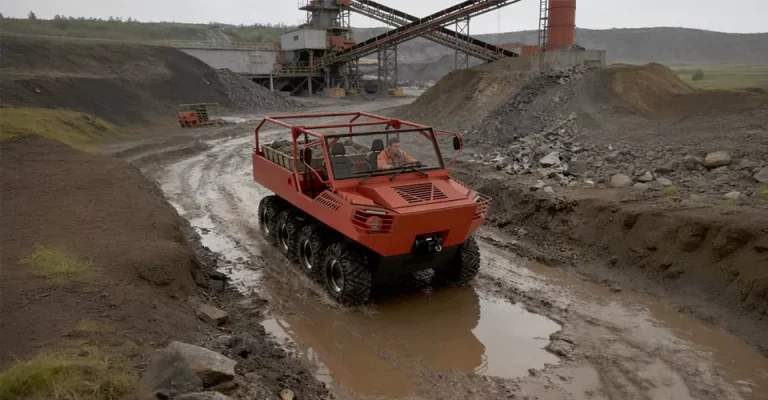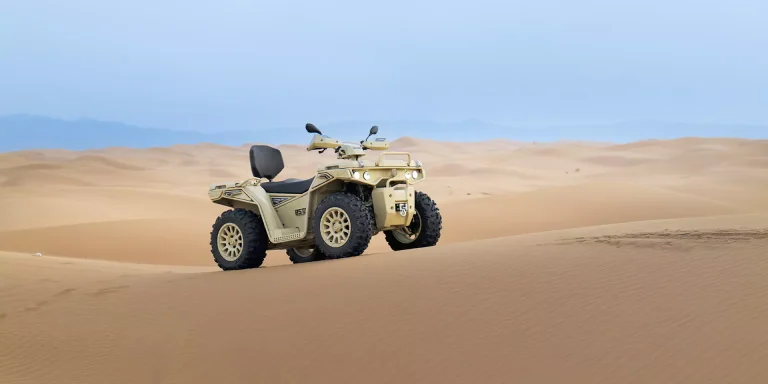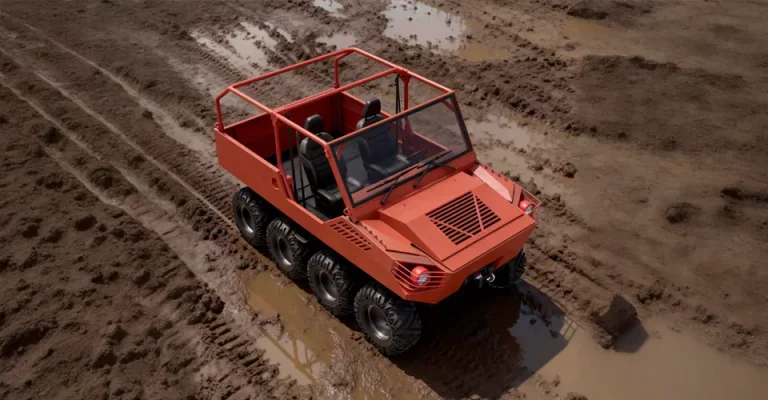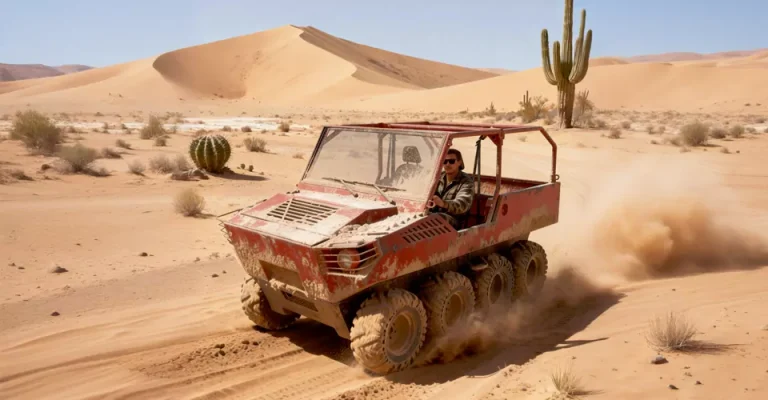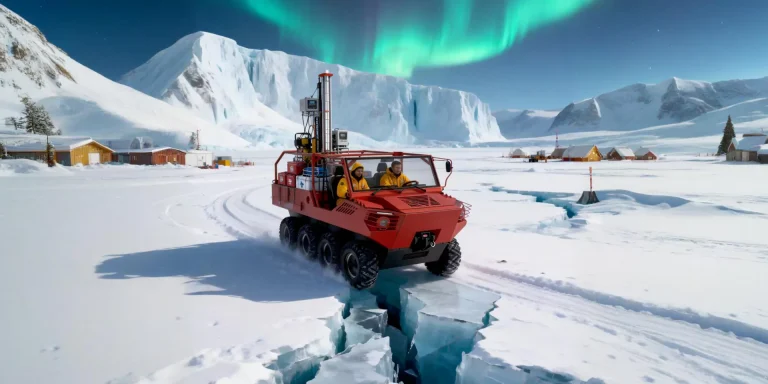











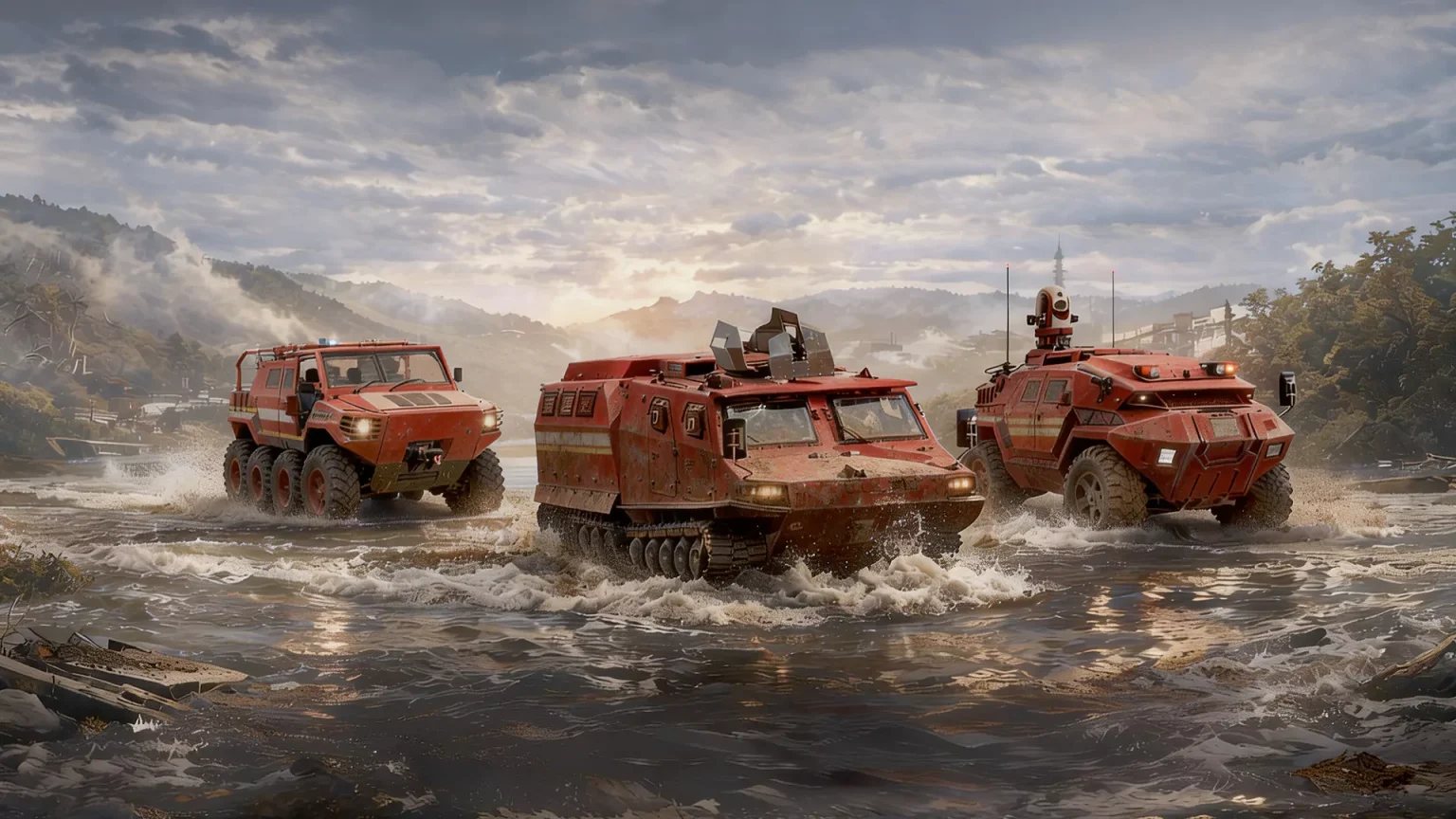
Amphibious vehicles are uniquely engineered to operate seamlessly on both land and water. This dual capability allows them to access environments that are otherwise unreachable by standard off-road or marine vehicles. As climate conditions become more unpredictable and infrastructure gaps remain in remote regions, their practical applications continue to grow across multiple industries.
Below are the most important and widely accepted uses of amphibious vehicles.
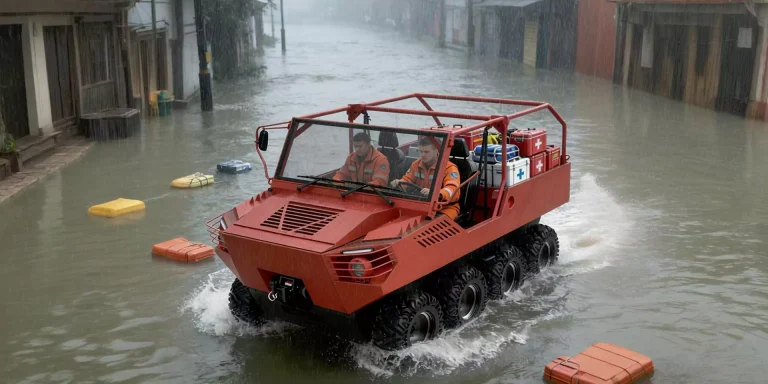
1. Emergency Rescue and Flood Response
One of the most critical applications of amphibious vehicles is in emergency response, especially during floods and natural disasters.
When roads are submerged or damaged, these vehicles can continue operating without interruption. They are commonly used to:
- Rescue stranded individuals from flooded areas
- Deliver food, water, and medical supplies
- Reach communities cut off by rising water
- Support evacuation efforts in unstable terrain
Their ability to transition directly from road to water makes them highly effective when time and accessibility are limited.
2. Disaster Relief and Humanitarian Operations
Beyond immediate rescue efforts, amphibious vehicles play a key role in broader humanitarian support.
They are often deployed to:
- Transport relief supplies across flooded regions
- Assist in rebuilding logistics after storms or hurricanes
- Provide mobility for aid workers in water-damaged zones
- Maintain access to isolated communities during recovery phases
This flexibility helps relief organizations respond faster and more efficiently in crisis situations.
3. Environmental Monitoring and Wetland Research
Amphibious vehicles are widely used by environmental scientists and conservation teams working in sensitive ecosystems.
They are particularly useful for:
- Studying wetlands, marshes, and river deltas
- Collecting water and soil samples in difficult terrain
- Monitoring wildlife habitats without disturbing the environment
- Conducting floodplain mapping and ecological surveys
Because they can move smoothly between land and water, they reduce the need for multiple transport systems in fragile environments.
4. Infrastructure Inspection in Remote or Water-Heavy Areas
In industries such as energy, utilities, and construction, access to remote or waterlogged sites is often a challenge.
Amphibious vehicles help teams perform:
- Inspection of pipelines crossing rivers or wetlands
- Maintenance of dams, levees, and drainage systems
- Surveying of coastal and marshland infrastructure
- Transport of technicians and equipment in inaccessible zones
This reduces reliance on temporary bridges or specialized marine transport.
5. Search and Rescue in Difficult Terrain
Amphibious vehicles are highly effective in search and rescue operations in complex natural environments such as:
- Flooded forests
- River networks
- Lakeside regions
- Swamp and marsh areas
Their ability to traverse both solid ground and shallow water allows rescue teams to cover more area without changing vehicles, improving response efficiency.
6. Eco-Tourism and Adventure Experiences
In the tourism industry, amphibious vehicles offer a unique and memorable way to explore natural landscapes.
They are commonly used for:
- Guided wetland and mangrove tours
- River and lake exploration trips
- Nature sightseeing in protected areas
- Adventure rides combining land and water travel
This makes them popular in eco-tourism destinations seeking sustainable and engaging visitor experiences.
7. Agriculture and Rural Connectivity
In regions where seasonal flooding is common, amphibious vehicles help maintain essential transport links.
They are used for:
- Transporting agricultural goods during flood seasons
- Accessing farmland isolated by water
- Delivering supplies to rural communities
- Supporting farm operations in wetland regions
This helps reduce the impact of seasonal weather disruptions on rural livelihoods.
Final Thoughts
Amphibious vehicles are not everyday transportation tools, but they are invaluable in situations where land and water environments intersect. From emergency response and environmental research to tourism and rural logistics, their versatility fills a critical gap that conventional vehicles cannot address.
As environmental conditions continue to change, the demand for flexible, multi-terrain mobility solutions is likely to grow—making amphibious vehicles an increasingly important part of specialized transport systems.
If you are looking for reliable amphibious vehicle solutions for rescue operations, wetland transportation, infrastructure access, or specialized off-road applications, JINJIA Special Equipment can provide professional support and customized solutions tailored to your requirements. For more information, please contact panjun@responsemobility.com.