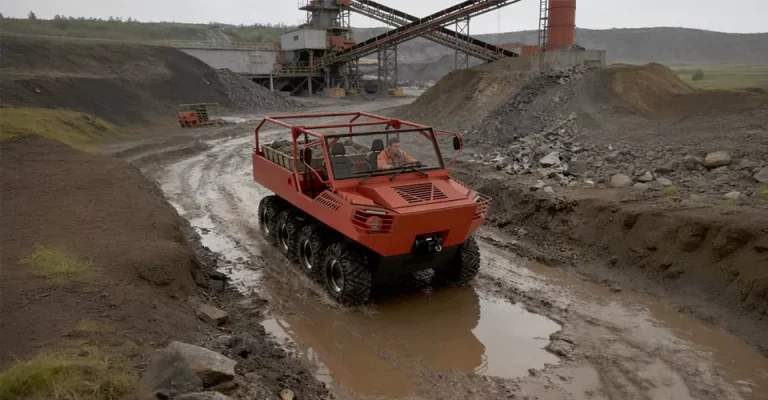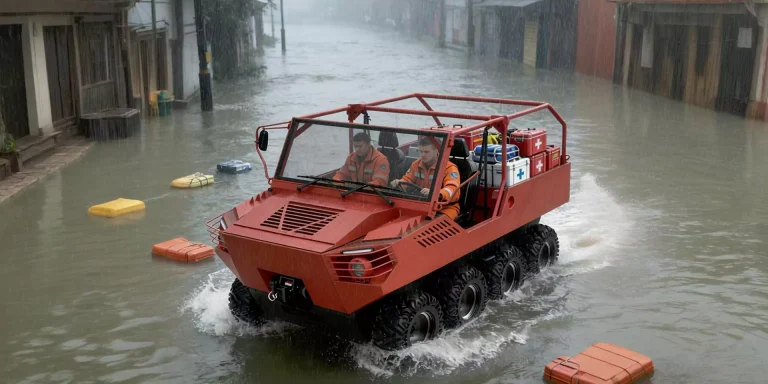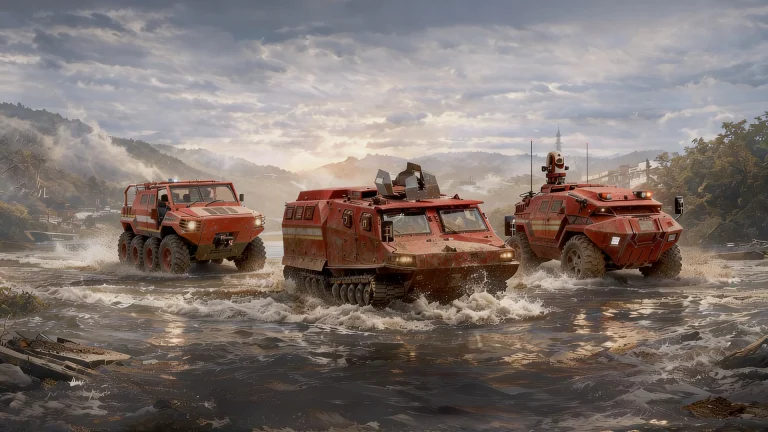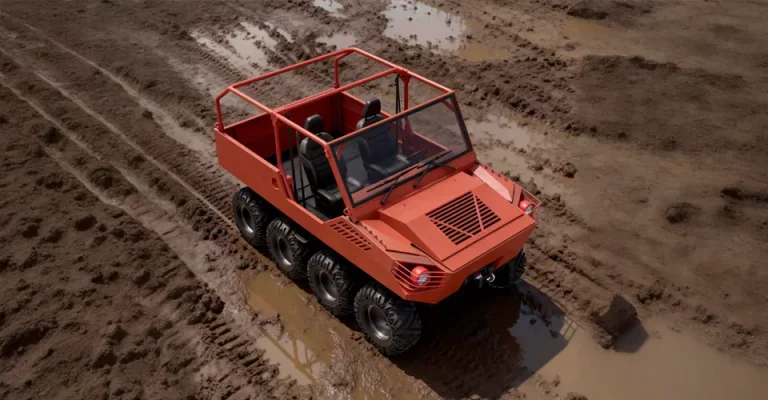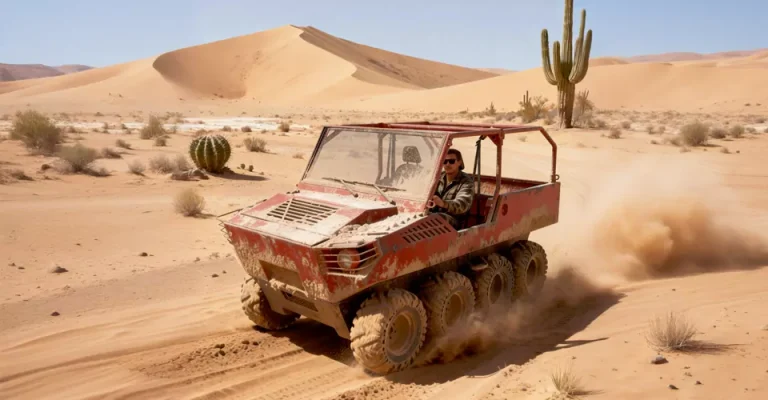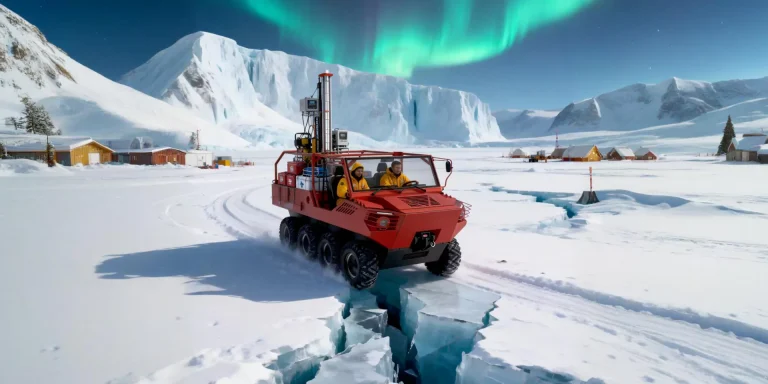











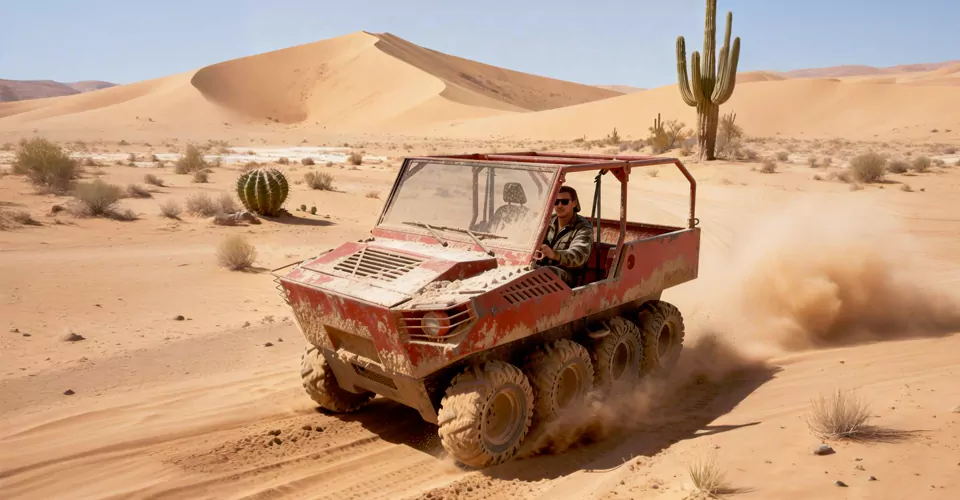
An amphibious vehicle is a type of vehicle designed to operate both on land and in water. Unlike conventional cars, trucks, or utility vehicles that are limited to roads or off-road terrain, amphibious vehicles can seamlessly transition between driving on solid ground and floating or propelling through rivers, lakes, marshes, flood zones, and coastal areas.
These vehicles are widely used in rescue operations, disaster response, military logistics, tourism, industrial transportation, and extreme off-road environments where standard vehicles cannot travel efficiently.
How Does an Amphibious Vehicle Work?
Amphibious vehicles combine the functions of a car and a boat.
On land, they drive using wheels or tracks. In water, their sealed and buoyant body allows them to float, while propellers or water jets provide propulsion.
This dual-purpose design enables the vehicle to move across roads, mud, snow, wetlands, and water without stopping or changing vehicles.
Main Types of Amphibious Vehicles
| Type | Mobility System | Best For | Key Advantages |
| Wheeled Amphibious Vehicles | Wheels / All-terrain tires | Roads, flood rescue, tourism | Faster on hard surfaces and roads |
| Tracked Amphibious Vehicles | Rubber or steel tracks | Mud, snow, wetlands, swamps | Superior traction and low ground pressure |
| Amphibious Utility Vehicles | Wheels or tracks with modular platform | Rescue, logistics, industrial operations | Multi-purpose and highly adaptable |
| Military Amphibious Vehicles | Heavy-duty tracked or armored systems | Defense and tactical missions | High durability and cross-terrain capability |
| Recreational Amphibious Vehicles | Lightweight wheeled systems | Outdoor recreation and adventure | Compact and easy to operate |
Advantages of Amphibious Vehicles
Amphibious vehicles offer unique mobility in environments where conventional vehicles cannot operate effectively.
Access to Difficult Terrain
They can travel across water, mud, snow, wetlands, and flooded areas with ease.
Dual Land-and-Water Mobility
One vehicle can operate on both land and water, reducing the need for separate transportation equipment.
Improved Emergency Response
Amphibious vehicles help rescue and response teams reach remote or flooded areas faster.
Versatile Applications
They are widely used in rescue operations, firefighting, industrial transport, defense, and off-road missions.
Reduced Infrastructure Dependence
They can cross rivers and flooded zones without relying on bridges or prepared roads.

What Is the Difference Between an Amphibious Vehicle and an ATV?
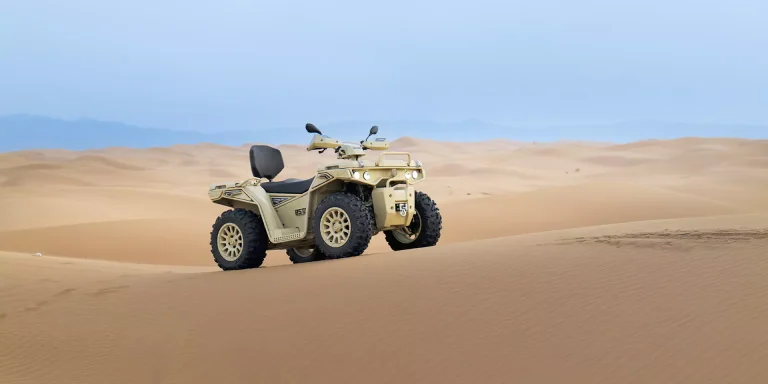
An ATV (All-Terrain Vehicle) is designed only for land use, while an amphibious vehicle is specifically engineered to operate on both land and water.
Some amphibious utility vehicles may resemble ATVs or UTVs, but they include sealed hull structures and water propulsion systems that allow true amphibious operation.

Are Amphibious Vehicles Legal on Public Roads?
Road legality depends on the country and local regulations. Some amphibious vehicles can be registered for road use, while others are limited to industrial, military, or off-road applications.
Operators should always check local vehicle and marine regulations before use.
Conclusion
Amphibious vehicles are specialized mobility platforms designed to operate on both land and water. Their ability to navigate difficult environments such as floods, wetlands, mud, snow, and remote terrain makes them valuable for emergency response, industrial operations, off-road transportation, and specialized missions.
As technology continues to evolve, modern amphibious vehicles are becoming more efficient, modular, and adaptable for a wide range of civilian and commercial applications.
If you are looking for advanced amphibious mobility solutions for rescue, firefighting, industrial, or extreme-terrain operations, please contact Jinjia Special Equipment at: panjun@responsemobility.com