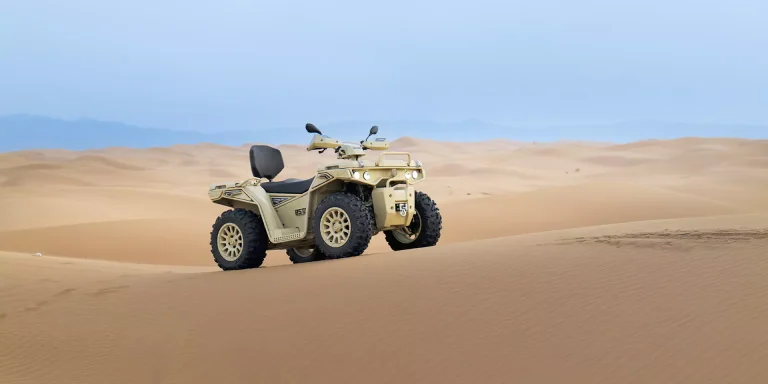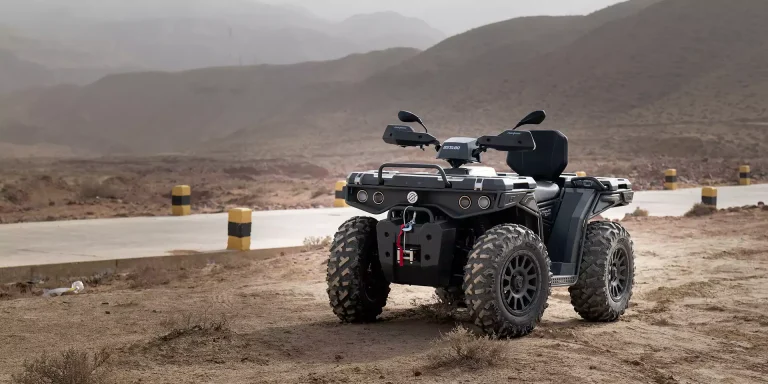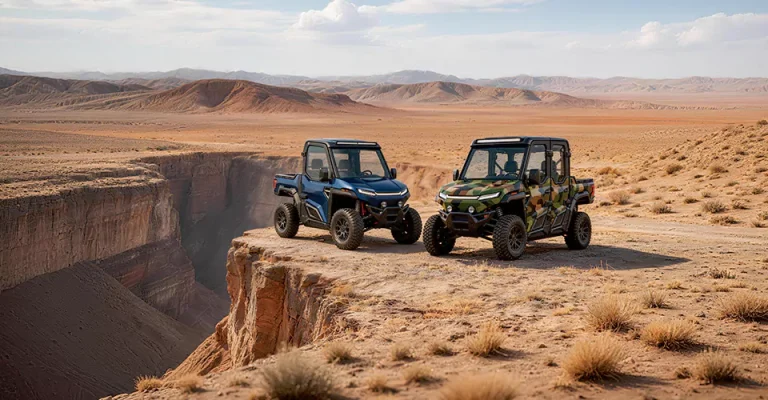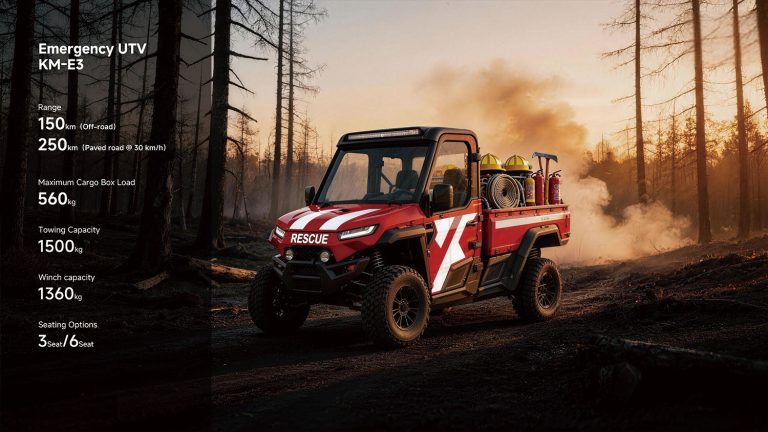











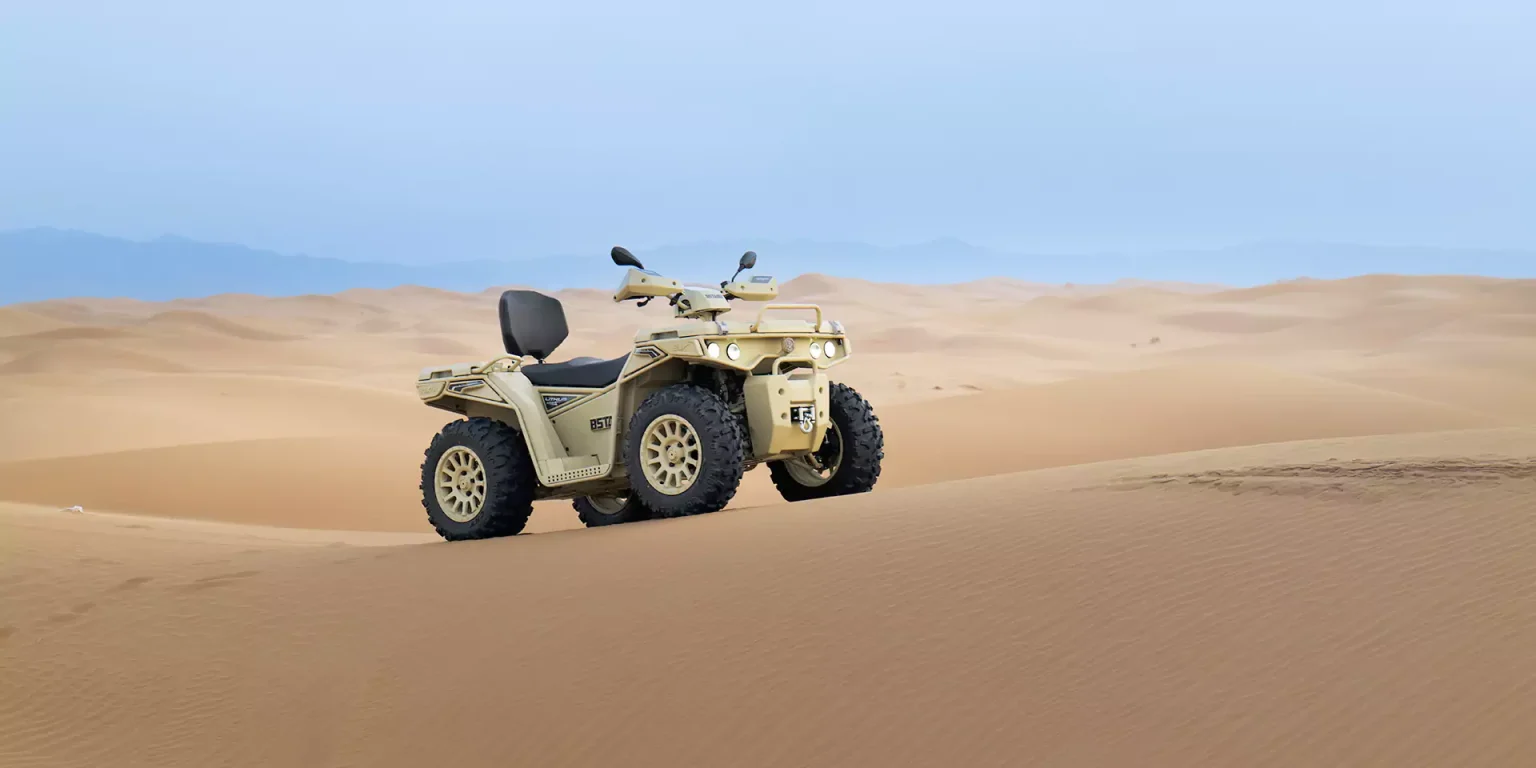
ATVs and UTVs are both popular off-road vehicles designed for rugged terrain, outdoor work, and recreational use. While they may look similar at first glance, they are built for different purposes and offer different driving experiences.
Understanding the difference between an ATV and a UTV can help you choose the right vehicle for farming, hunting, utility work, rescue operations, or off-road adventures.
What Is an ATV?
An ATV (All-Terrain Vehicle), also called a quad bike or four-wheeler, is a small off-road vehicle designed for a single rider, although some models can carry a passenger.
ATVs are typically controlled using handlebars, similar to a motorcycle, and riders sit astride the seat.
Common Features of ATVs
- Handlebar steering
- Compact size
- One-person or two-person seating
- Lightweight design
- High maneuverability
Typical ATV Applications
- Trail riding
- Hunting
- Farm work
- Recreation
- Light utility tasks
What Is a UTV?
A UTV (Utility Task Vehicle), also known as a side-by-side (SxS), is a larger off-road vehicle designed for multiple passengers and heavier-duty tasks.
Unlike ATVs, UTVs use a steering wheel, foot pedals, and side-by-side seating similar to a car.
Common Features of UTVs
- Steering wheel control
- Side-by-side seating
- Roll cage protection
- Cargo bed
- Higher payload capacity
Typical UTV Applications
- Agriculture
- Construction sites
- Industrial transportation
- Rescue operations
- Off-road utility work
ATV vs UTV: Key Differences
| Feature | ATV | UTV |
|---|---|---|
| Steering | Handlebars | Steering wheel |
| Seating Position | Straddle seat | Side-by-side seats |
| Passenger Capacity | Usually 1–2 people | Usually 2–6 people |
| Cargo Capacity | Limited | Larger cargo bed |
| Safety Features | Basic | Roll cage, seat belts |
| Size | Smaller and lighter | Larger and heavier |
| Maneuverability | Better in narrow trails | Better for hauling and work |
| Best For | Recreation and trail riding | Work, transport, and utility tasks |
Are UTVs Safer Than ATVs?
In general, UTVs are considered safer because they often include:
- Roll cages
- Seat belts
- Better stability
- Automotive-style seating
ATVs require riders to actively shift body weight for balance during operation, which can increase the learning curve for inexperienced users.
Which Is Better: ATV or UTV?
The better choice depends on how you plan to use the vehicle.
Choose an ATV If You Need:
- Faster maneuverability
- Narrow trail access
- Lightweight off-road performance
- Recreational riding
Choose a UTV If You Need:
- Passenger transportation
- Cargo hauling
- Better safety features
- Work-focused utility performance
Conclusion
ATVs and UTVs are both capable off-road vehicles, but they serve different purposes. ATVs are ideal for agile recreation and light-duty tasks, while UTVs provide greater utility, passenger capacity, and cargo capability for demanding work environments.
Choosing the right platform depends on your terrain, operational needs, and intended applications.
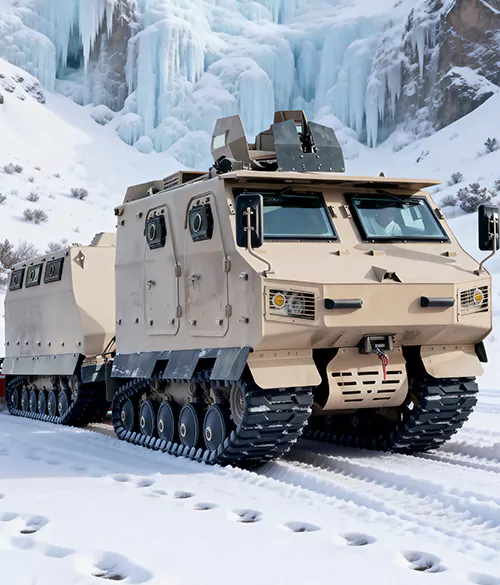
For specialized off-road and extreme-terrain mobility solutions, including tracked and amphibious utility platforms, contact Jinjia Special Equipment at: panjun@responsemobility.com