










Side-by-side vehicles have become increasingly popular for recreation, agriculture, construction, and utility work. Known for their versatility, comfort, and off-road capability, these vehicles can be found on farms, job sites, trails, and outdoor adventure destinations around the world.
But what exactly is a side-by-side vehicle, and how does it differ from other off-road vehicles such as ATVs?
This guide explains everything you need to know about side-by-side vehicles, including their features, applications, advantages, and how to choose the right model.
What Is a Side-by-Side Vehicle?
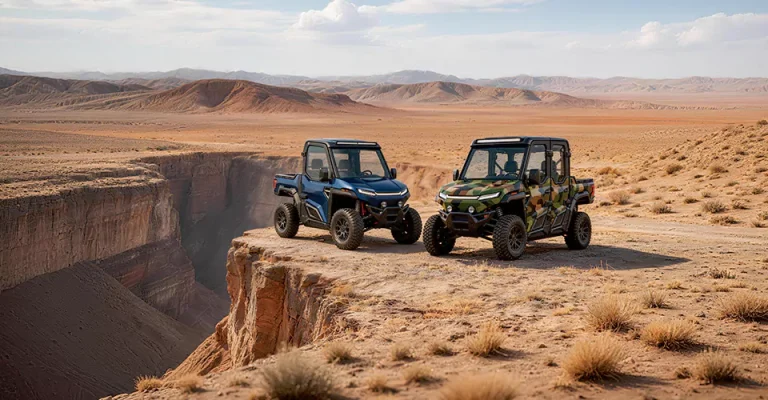
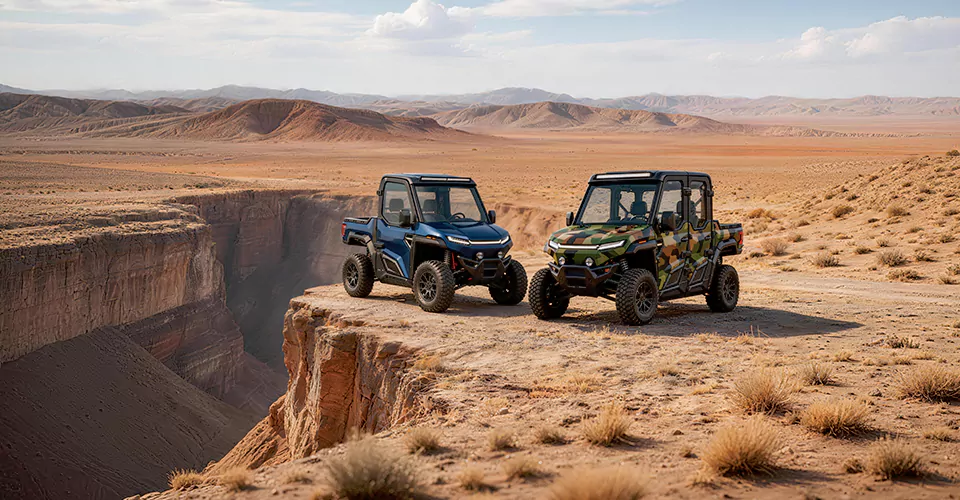
A Side-by-Side (SxS), also known as a UTV (Utility Task Vehicle) or Utility Terrain Vehicle, is a four-wheel off-road vehicle designed to carry two or more occupants seated next to each other.
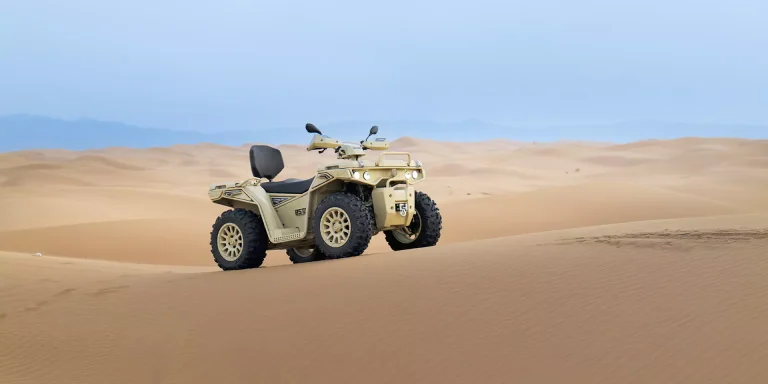
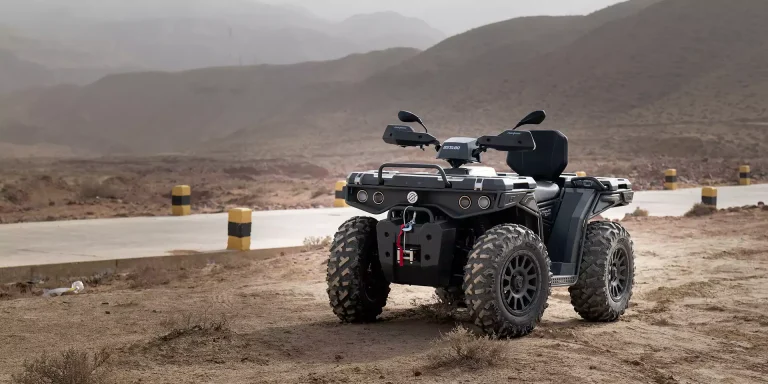
Unlike ATVs, where riders sit in a straddle position and steer with handlebars, side-by-side vehicles feature:
- Automotive-style seating
- A steering wheel
- Foot pedals
- Seat belts
- A protective roll cage
The name “side-by-side” comes from the seating arrangement, where passengers sit next to the driver rather than behind them.
Key Features of a Side-by-Side Vehicle
Multiple Passenger Capacity
Most side-by-side vehicles accommodate:
- Two passengers
- Four passengers
- Six passengers
This makes them ideal for transporting teams, families, or work crews.
Off-Road Performance
Side-by-sides are designed to handle challenging terrain, including:
- Mud
- Sand
- Gravel
- Forest trails
- Rocky paths
- Agricultural land
Many models feature four-wheel drive and high ground clearance for improved off-road capability.
Cargo Carrying Ability
Unlike many recreational vehicles, side-by-sides often include:
- Rear cargo beds
- Towing capabilities
- Equipment racks
This makes them useful for both work and recreation.
Safety-Oriented Design
Most modern side-by-side vehicles include:
- Roll-over protection structures (ROPS)
- Seat belts
- Protective doors or nets
- Reinforced frames
These features contribute to their popularity in professional environments.
Common Uses for Side-by-Side Vehicles
Agriculture and Farming
Farmers use side-by-sides for:
- Transporting tools and supplies
- Checking livestock
- Moving equipment around large properties
- Accessing remote fields
Their ability to travel over rough terrain makes them valuable daily work vehicles.
Construction and Industrial Sites
Construction crews rely on side-by-sides to:
- Move workers efficiently
- Transport materials
- Access difficult job-site locations
- Improve productivity across large work areas
Outdoor Recreation
For recreational users, side-by-sides are popular for:
- Trail riding
- Camping trips
- Hunting and fishing excursions
- Outdoor adventures
Their comfortable seating and storage capacity make them suitable for longer journeys.
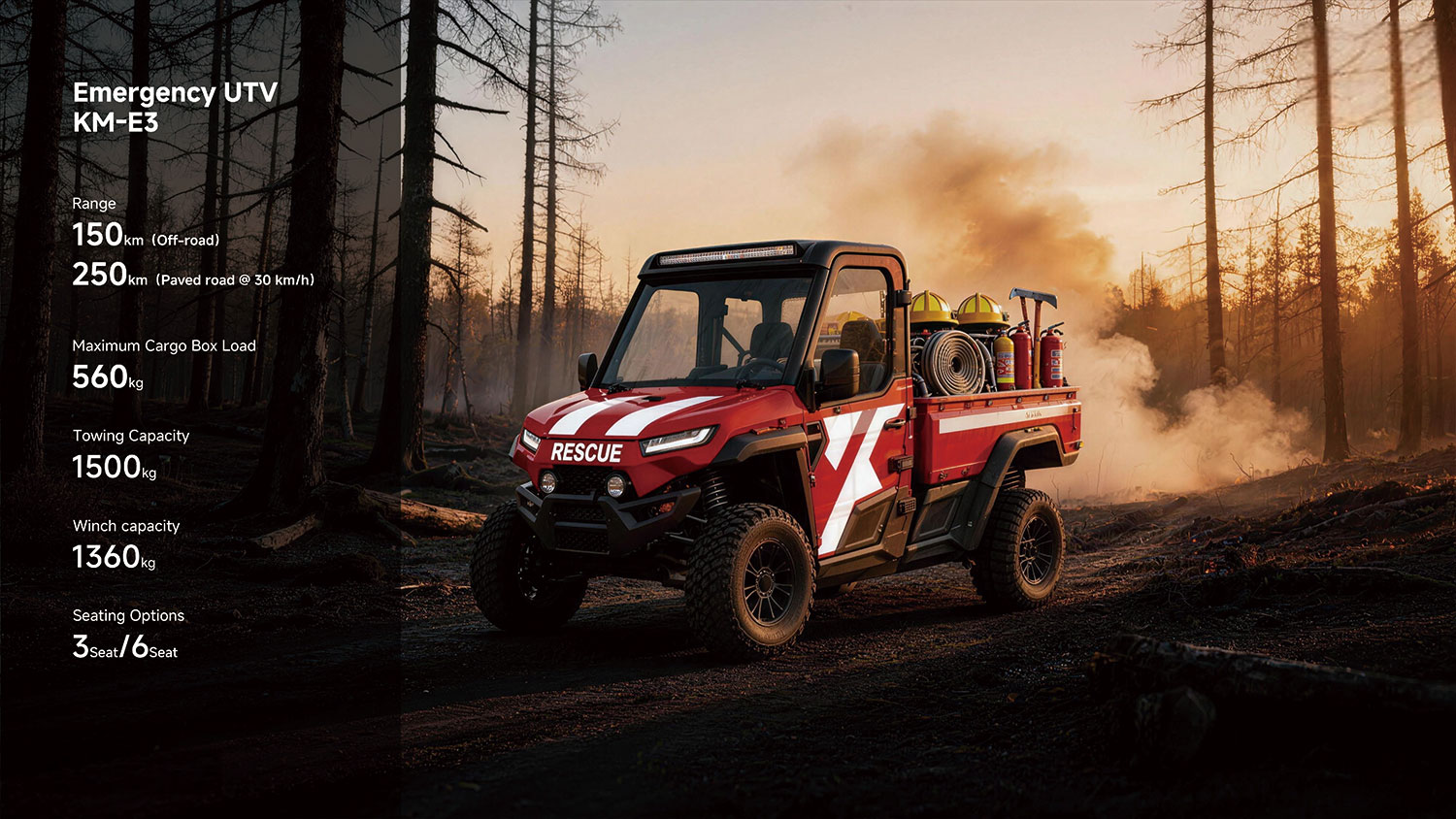
Search and Rescue Operations
Emergency response teams often use side-by-sides to reach areas inaccessible to conventional vehicles.
They can be deployed in:
- Remote wilderness areas
- Flood-prone regions
- Mountain trails
- Disaster response zones
Side-by-Side vs ATV: What’s the Difference?
Although both vehicles are designed for off-road use, they differ significantly.
| Feature | Side-by-Side (UTV) | ATV |
|---|---|---|
| Seating | Side-by-side seats | Straddle seat |
| Steering | Steering wheel | Handlebars |
| Passenger Capacity | 2–6 occupants | Usually 1–2 riders |
| Safety Features | Roll cage, seat belts | Limited protective structure |
| Cargo Capacity | High | Moderate |
| Comfort | Greater | More basic |
For users who prioritize passenger capacity, utility, and comfort, side-by-sides are often the preferred choice.
Conclusion
A side-by-side vehicle combines off-road capability, passenger comfort, cargo capacity, and safety features into a highly versatile package. Whether used for farming, construction, outdoor recreation, or specialized operations, these vehicles provide an efficient solution for navigating challenging terrain while carrying people and equipment.
As technology continues to improve, side-by-side vehicles are becoming even more capable and adaptable across a wide range of industries and environments.
If you’re looking for professional off-road transportation solutions, utility vehicles, or specialized terrain equipment, JINJIA Special Equipment can provide customized products and technical support tailored to your needs. For more information, please contact panjun@responsemobility.com.