









Maritime rescue concerns people in distress at sea. IMO explains the international cooperation objective of the 1979 SAR Convention [S1]. The phrase shore support refers to a separate land-side context and does not establish maritime rescue capabilities.
Contents
Maritime emergency terminology
Vessels and land vehicles are different categories
Certification and responsibility
Frequently asked questions (FAQ)
References and source boundaries
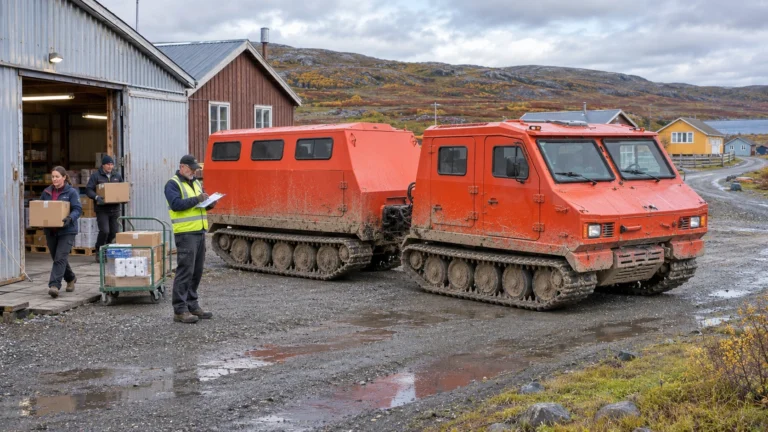
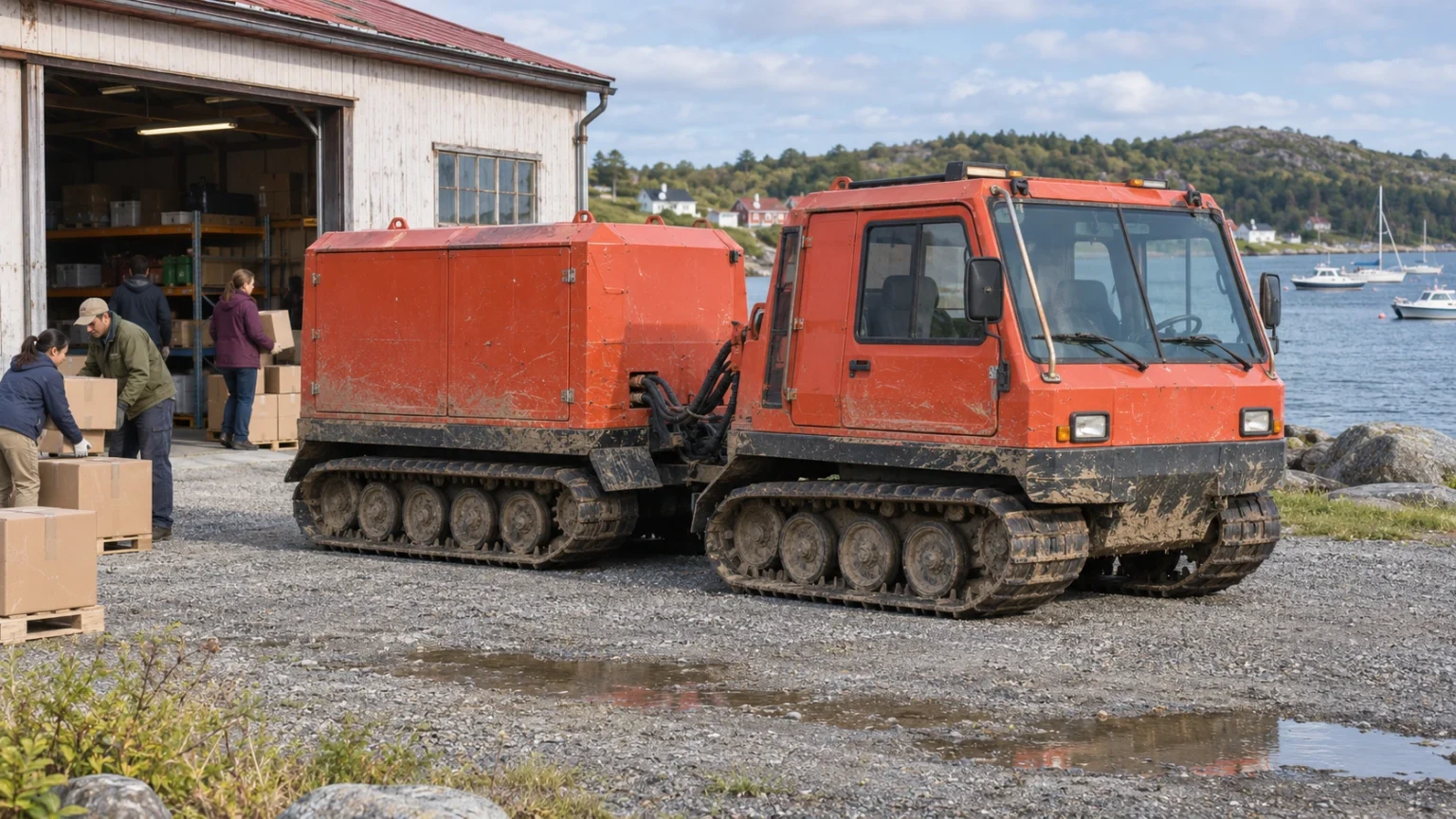
AI concept: A coastal town community warehouse with ordinary cartons and distant boats. Generic civilian carrier; not a verified JJ117 delivery or actual event.
Maritime emergency terminology
Maritime rescue concerns people in distress at sea. IMO explains the international cooperation objective of the 1979 SAR Convention [S1]. The phrase shore support refers to a separate land-side context and does not establish maritime rescue capabilities.
The subject of this article is civilian public information. A transport category and the organisations responsible for specialist work should not be treated as synonymous.
The distinction matters when publishing articles about civilian equipment: a sector label alone says nothing about an individual project.
Ordinary shore-based support
Community warehouses and ordinary packaged goods are familiar features of a coastal town. A picture of these subjects can illustrate civilian support. However, it does not depict a marine emergency or confirm the authorisation of any equipment.
The visual context is illustrative. Keep captions explicit about whether a picture is a historical record, a real delivered product or a concept.
AI concept: A coastal town community warehouse with ordinary cartons and distant boats. Generic civilian carrier; not a verified JJ117 delivery or actual event.
Vessels and land vehicles are different categories
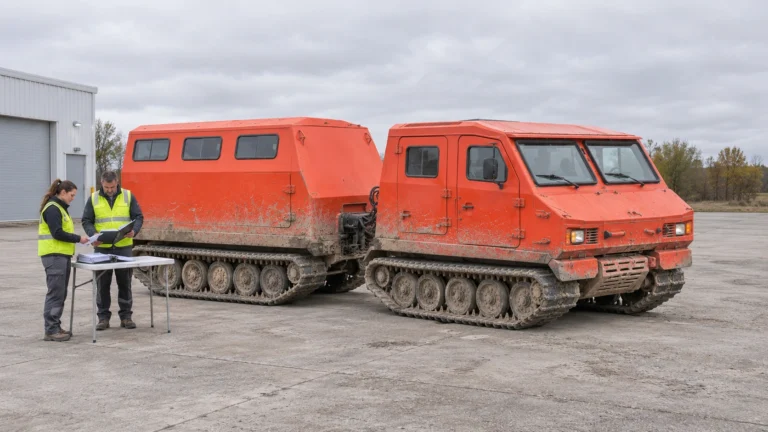
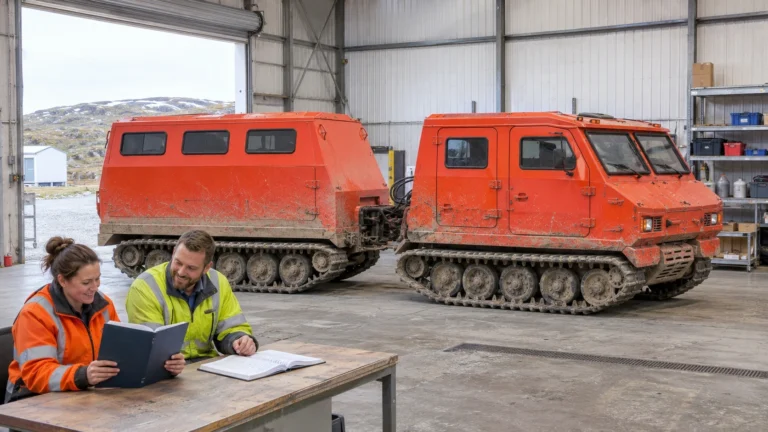
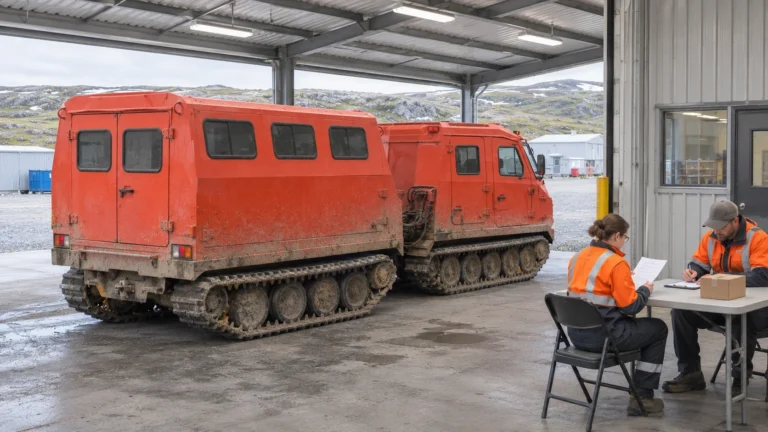
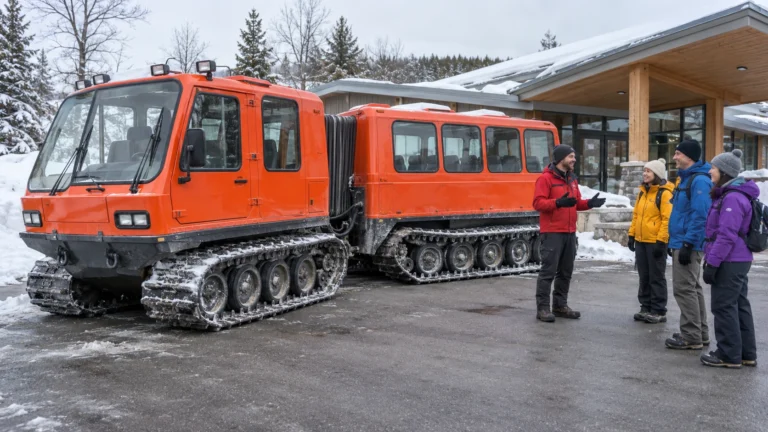
A land vehicle and a rescue vessel belong to different equipment categories. The name of a vehicle, including a description of its running gear, does not establish seaworthiness, vessel certification or permission to assist in a maritime incident.
The accompanying graphic groups four information categories so that readers can distinguish the subjects of public materials. It is not an operating procedure.
Each category has its own source and subject, rather than a shared claim of authorisation.
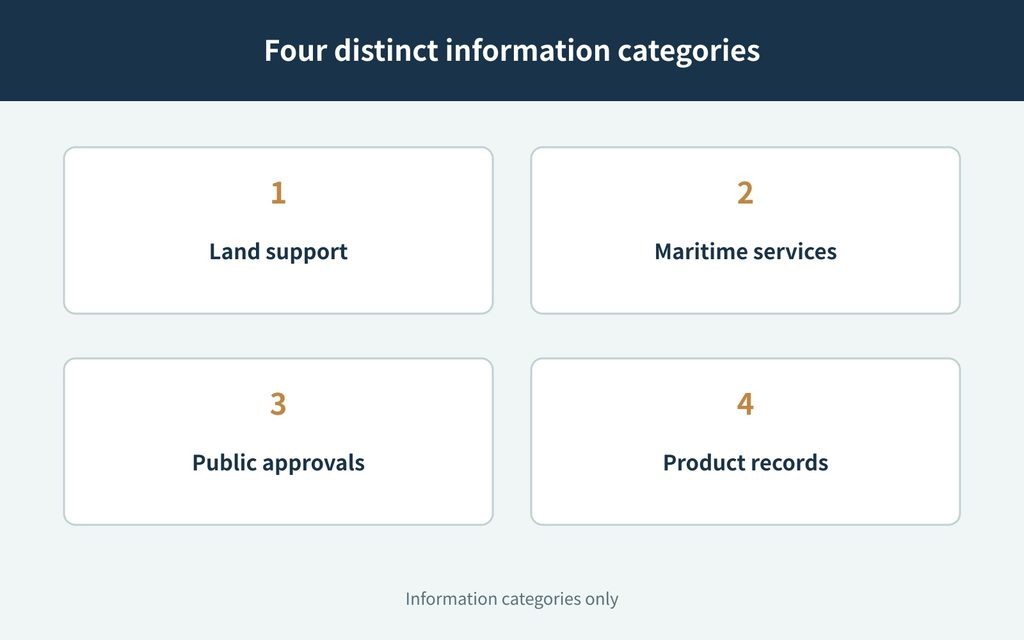
Information categories only; not an operating procedure.
Certification and responsibility
The responsible maritime organisations determine the meaning of their own approvals. IMO’s pollution preparedness overview [S2] also concerns institutional cooperation; it is not evidence that a manufacturer has performed a specific marine rescue.
When discussing public evidence, preserve the original author, date, and context. A general supplier description does not replace an authoritative decision.
A dated record can establish its stated facts, but not a different model’s performance.
Further reading
Use the original public record when describing a maritime event. The general JINJIA product page [S3] is product literature, not a marine service or vessel document.
The companion workbook records the identities of public documents, rather than site information or specialised operations. General contact details appear at [S4].
For general brand information, use the published contact page [S4].
View public brand contact details.
Frequently asked questions (FAQ)
A: No. The roles and approvals are distinct.
Q: Does a concept picture prove delivery?
A: No. It is an illustration, not an original project record.
Q: What is the purpose of the product page?
A: It provides general manufacturer information, not an independent approval.
Q: Do third-party records establish JJ117 performance?
A: No. The original organisation and subject remain distinct.
Q: Where are the public sources?
A: See the references at the end of the article.
Q: What does the companion register contain?
A: Public document names, issuers, dates and stated subjects.
References and source boundaries
S1: IMO — International Convention on Maritime Search and Rescue — Public subject-matter source; not a JJ117 test or approval.
S2: IMO — Pollution Preparedness and Response — Public subject-matter source; preserve original scope.
S3: JINJIA — Tracked Utility Vehicle — Manufacturer product literature.
S4: JINJIA — Contact — Public brand contact information.