










Emergency medical care and ordinary transportation are not interchangeable terms. WHO publishes classification and minimum standards for emergency medical teams [S1], which concern medical team capability and quality, not an endorsement of a particular carrier.
Contents
Medical assistance terminology
Ordinary support and clinical services
Medical responsibility and standards
Frequently asked questions (FAQ)
References and source boundaries
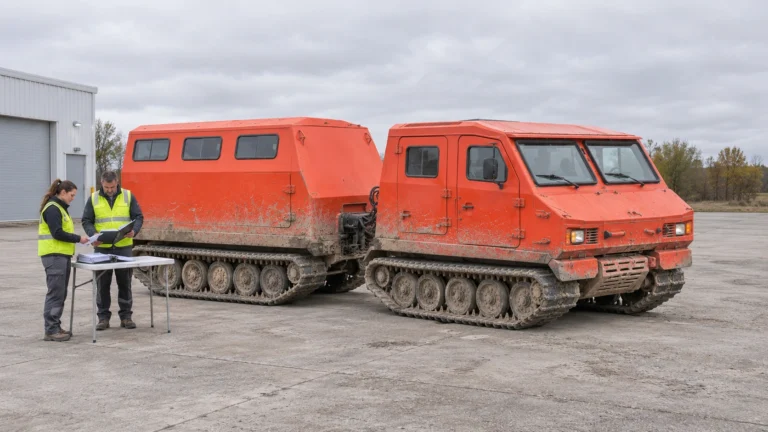
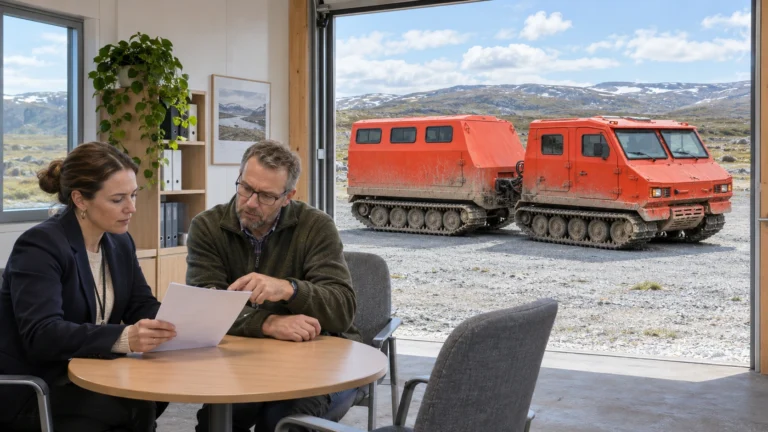
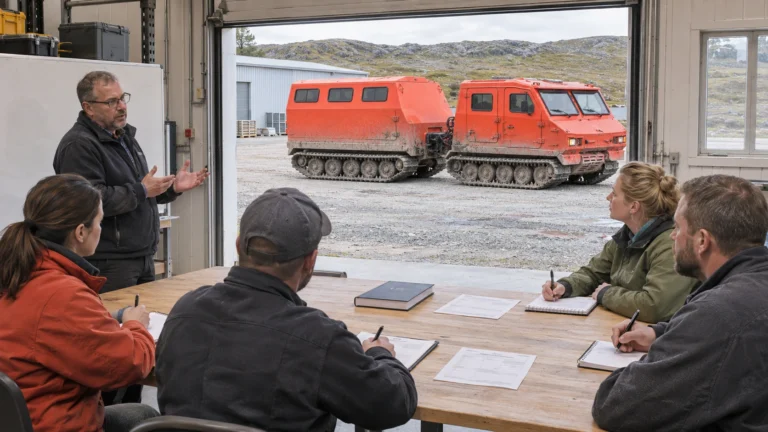
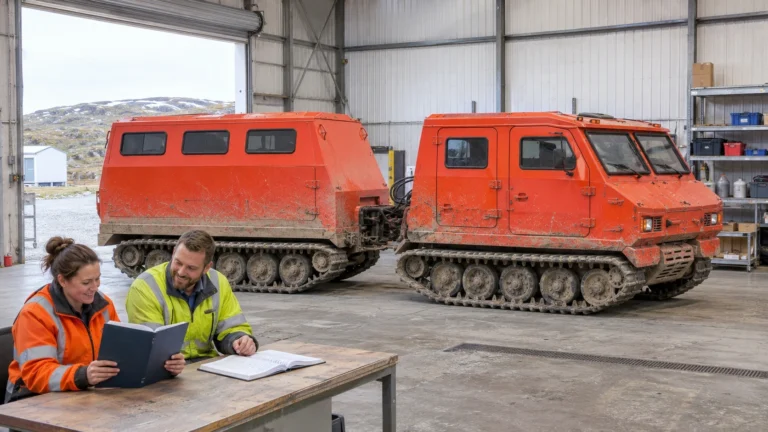
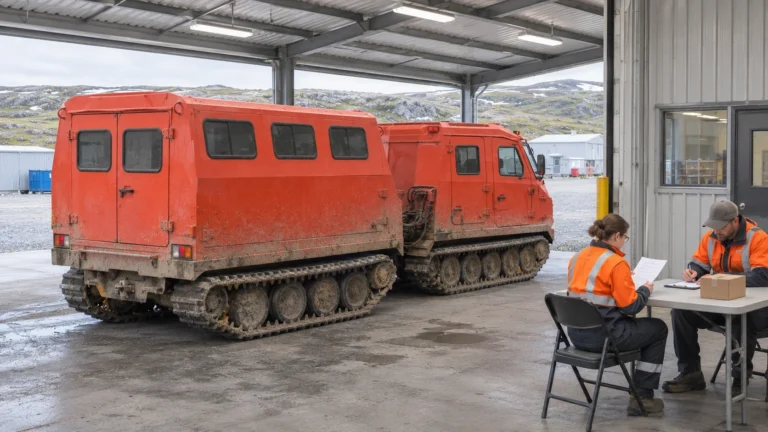
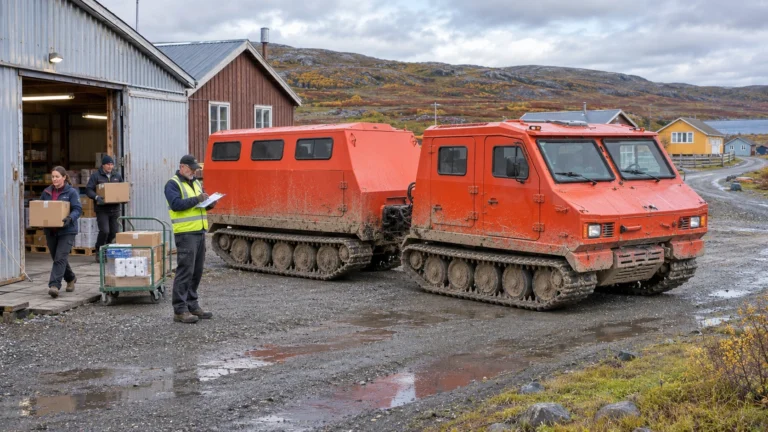
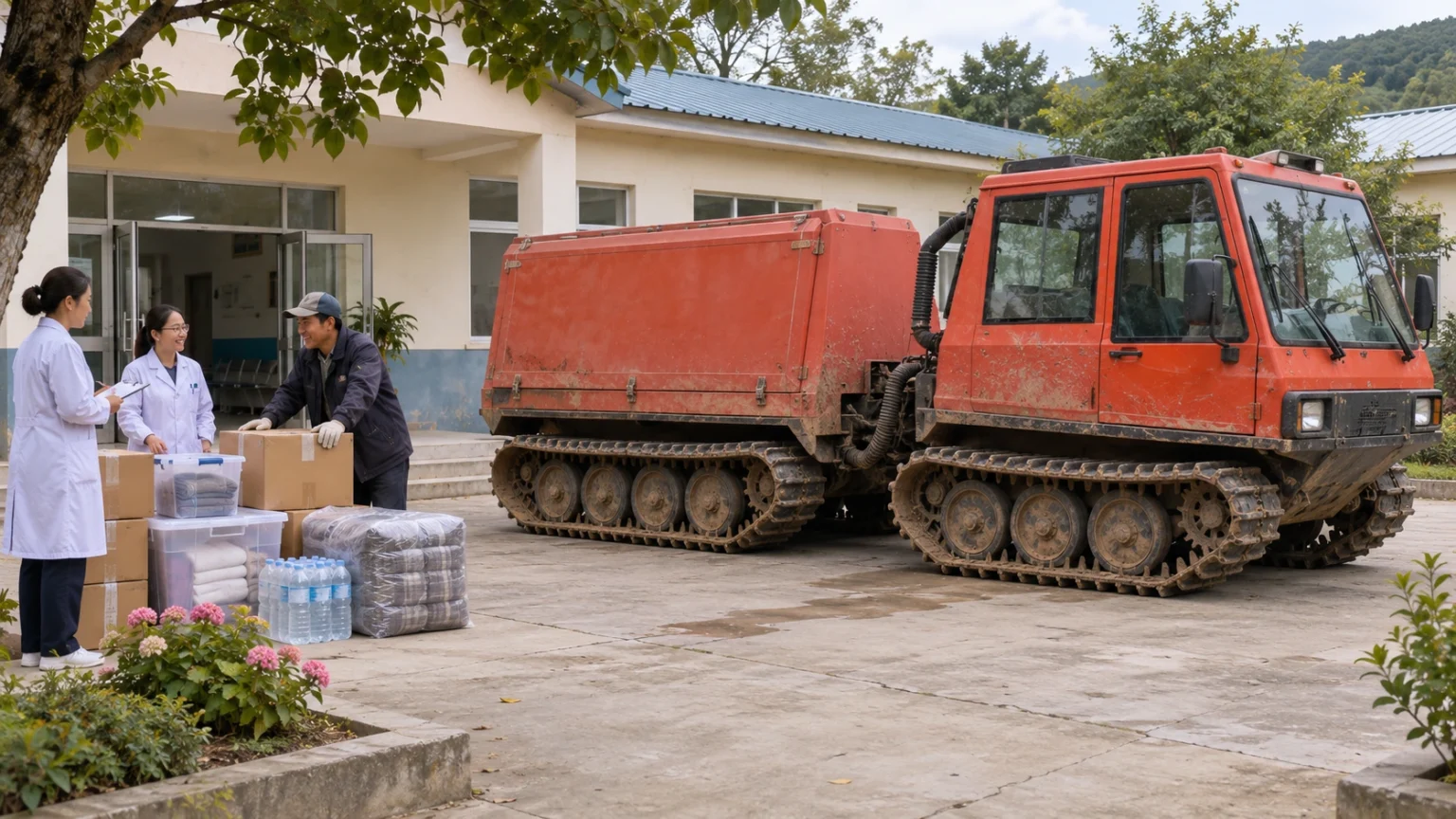
AI concept: An ordinary community health centre courtyard with medical staff and sealed nonclinical supplies. Generic civilian carrier; not a verified JJ117 delivery or actual event.
Medical assistance terminology
Emergency medical care and ordinary transportation are not interchangeable terms. WHO publishes classification and minimum standards for emergency medical teams [S1], which concern medical team capability and quality, not an endorsement of a particular carrier.
The subject of this article is civilian public information. A transport category and the organisations responsible for specialist work should not be treated as synonymous.
The distinction matters when publishing articles about civilian equipment: a sector label alone says nothing about an individual project.
Ordinary support and clinical services
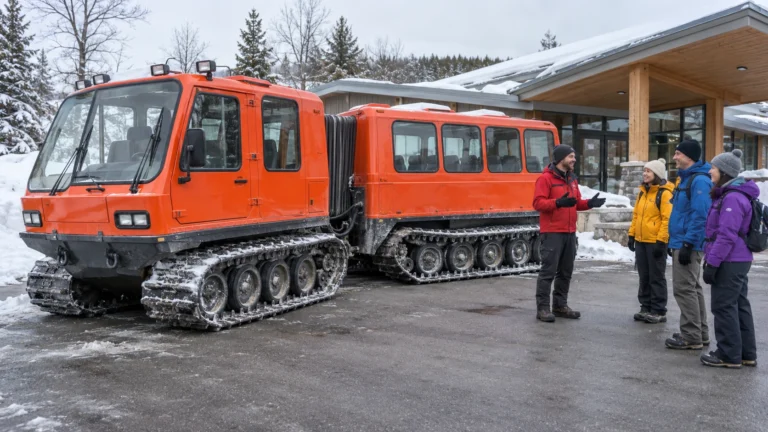
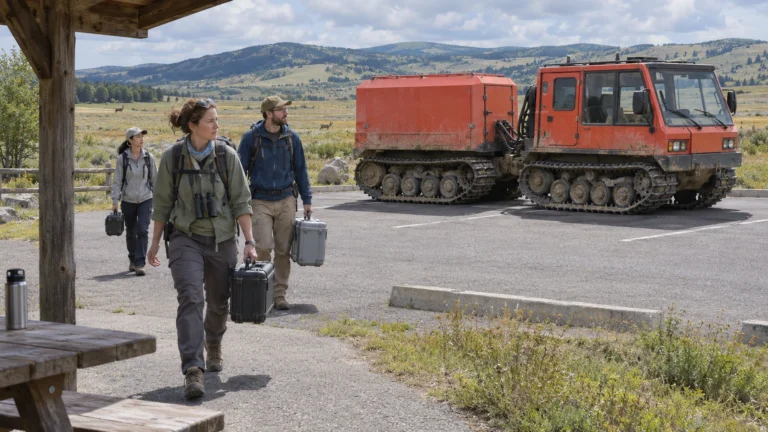
A community health centre may receive ordinary nonclinical goods. The concept picture shows staff and closed supply cartons at a generic site. It depicts neither a patient, a certified ambulance nor an installed clinical module.
The visual context is illustrative. Keep captions explicit about whether a picture is a historical record, a real delivered product or a concept.
AI concept: An ordinary community health centre courtyard with medical staff and sealed nonclinical supplies. Generic civilian carrier; not a verified JJ117 delivery or actual event.
Medical responsibility and standards
Medical decisions and patient transport approval are the responsibility of qualified health professionals and local services. A vehicle’s designation is not evidence of clinical suitability. A public article cannot replace an individual clinical assessment.
The accompanying graphic groups four information categories so that readers can distinguish the subjects of public materials. It is not an operating procedure.
Each category has its own source and subject, rather than a shared claim of authorisation.
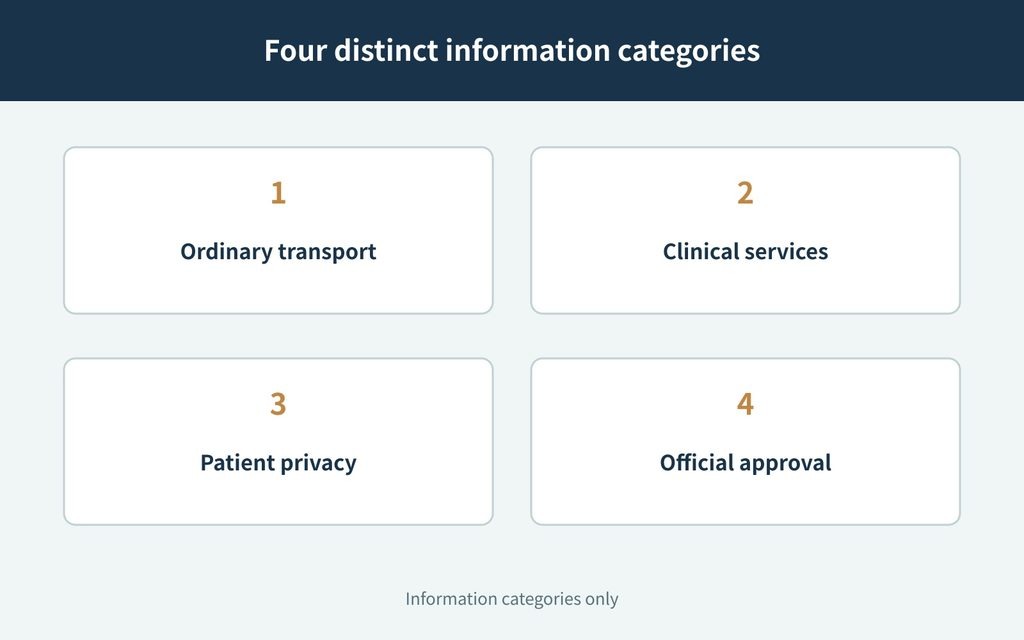
Information categories only; not an operating procedure.
Evidence and patient privacy
Bay Search and Rescue describes recognised training and cooperative rescue work [S2]. Such third-party information remains about that organisation, not JINJIA. Public communication should not publish patient identities or imply that a concept image documents a medical transfer.
When discussing public evidence, preserve the original author, date, and context. A general supplier description does not replace an authoritative decision.
A dated record can establish its stated facts, but not a different model’s performance.
Further reading
Manufacturer literature [S3] describes equipment rather than authorising medical use. For clinical questions consult appropriate medical services; the companion public-document register is for source identities only, not patient or transport information.
The companion workbook records the identities of public documents, rather than site information or specialised operations. General contact details appear at [S4].
For general brand information, use the published contact page [S4].
View public brand contact details.
Frequently asked questions (FAQ)
A: No. Clinical use and approval require the relevant qualified authorities.
Q: Does a concept picture prove delivery?
A: No. It is an illustration, not an original project record.
Q: What is the purpose of the product page?
A: It provides general manufacturer information, not an independent approval.
Q: Do third-party records establish JJ117 performance?
A: No. The original organisation and subject remain distinct.
Q: Where are the public sources?
A: See the references at the end of the article.
Q: What does the companion register contain?
A: Public document names, issuers, dates and stated subjects.
References and source boundaries
S1: WHO — Classification and minimum standards for emergency medical teams — Public subject-matter source; not a JJ117 test or approval.
S2: Bay Search and Rescue — Skills — Public subject-matter source; preserve original scope.
S3: JINJIA — Tracked Utility Vehicle — Manufacturer product literature.
S4: JINJIA — Contact — Public brand contact information.