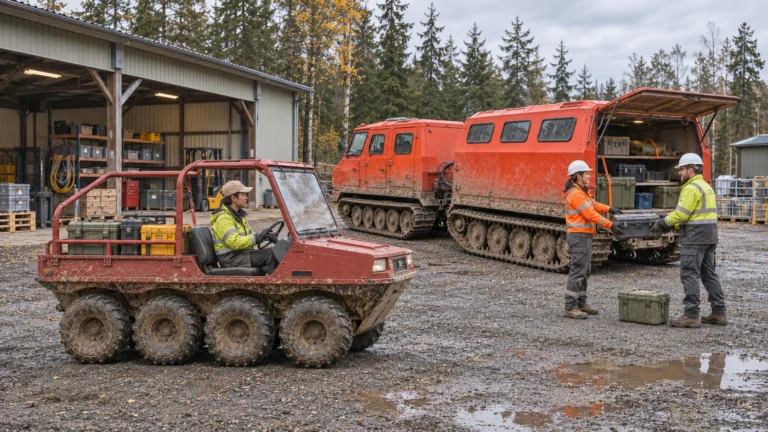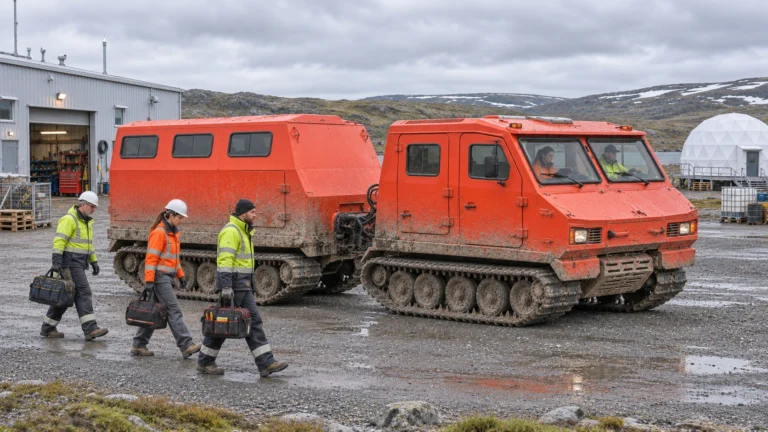











A low ground pressure tracked vehicle description is not an environmental permit. Peatlands and wetlands support distinctive habitats, water regulation and carbon storage. The presence of tracks or a published product claim does not establish that a vehicle may enter a protected area, that its effects are harmless, or that a particular pressure rating has been confirmed. This article explains those distinctions.
Contents
What does low ground pressure mean in a product description?
Why peatlands and wetlands merit protection
Environmental permission and technical claims are separate
Preserve records and responsibility
Frequently asked questions (FAQ)
References and source boundaries
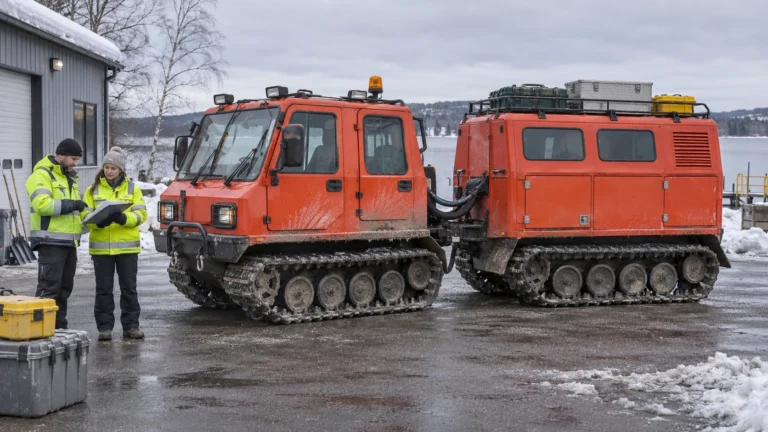
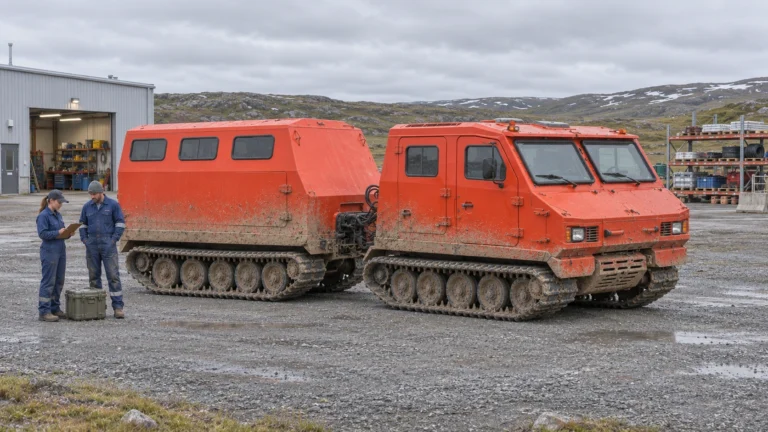
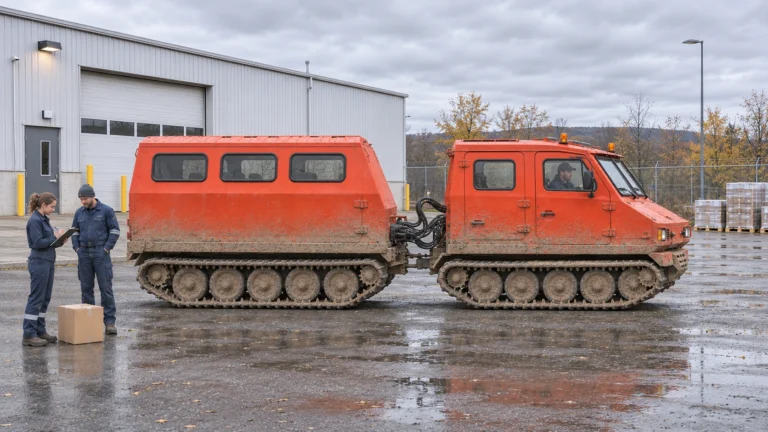
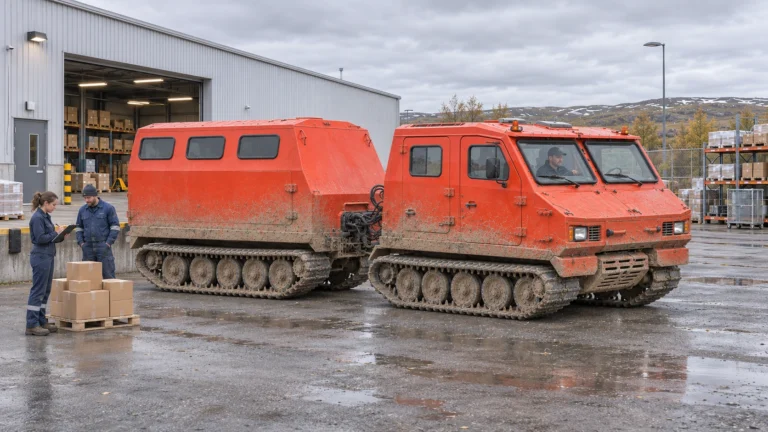
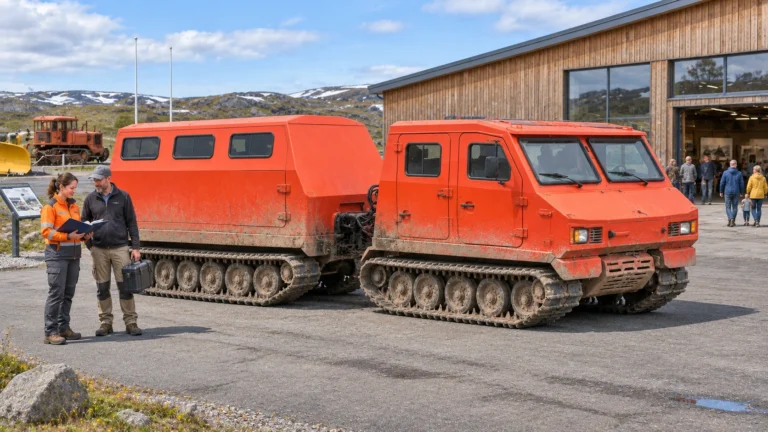
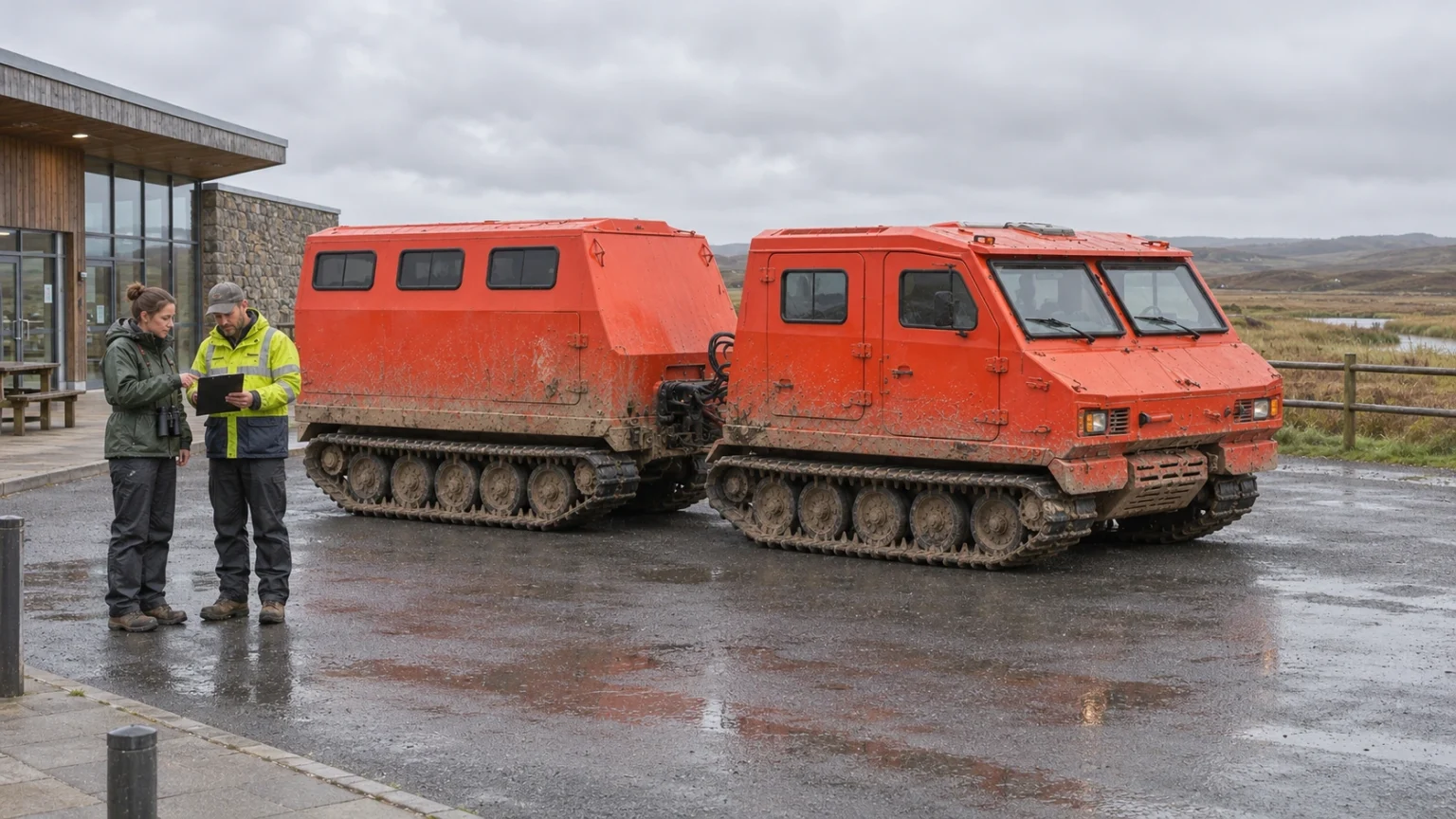
AI concept: a generic civilian tracked carrier parked at an established visitor-centre service area outside a wetland. Not an actual JJ117 deployment or evidence of permission.
What does low ground pressure mean in a product description?
Ground pressure describes pressure associated with contact between an object and its supporting ground. The qualifier “low” is a relative description unless the original publication defines its comparison. It is not a conservation designation or a permission to enter.
An articulated tracked vehicle is a category of vehicle. The general JINJIA article [S4] explains the category, while the product page [S3] provides manufacturer information. Neither source functions as an environmental authority.
For editorial accuracy, keep a manufacturer description distinct from independent environmental evidence. This article does not provide pressure measurements, vehicle comparisons, traversal advice, or a rating for the JJ117.
Why peatlands and wetlands merit protection
Peatlands are a distinctive wetland type. UNEP describes their contributions to biodiversity, water purification and long-term carbon storage [S1]. Their ecological value is not determined by whether vehicles can enter them.
The Convention on Wetlands promotes maintaining the ecological character of wetlands through sustainable management [S2]. This principle is relevant to environmental education across many jurisdictions, although site rules and permissions are determined by the applicable authorities.
Disturbance may affect plants, habitats and water conditions. Therefore, a product label should never be interpreted as a finding that disturbance is acceptable. The accompanying fictional photograph shows a vehicle parked outside the wetland on an established service area.
Environmental permission and technical claims are separate
A general description in a catalogue, an environmental assessment and an official decision are different kinds of information. The first describes what a manufacturer publishes; the others have their own sources and scope.
Even a claim described as verified in one setting cannot establish that an unrelated protected site permits a particular activity. Do not extend a document beyond its stated purpose or infer permission from a technical label.
The diagram separates four information categories. It is an editorial illustration, not a site assessment or method for judging whether a vehicle can travel across a wetland.
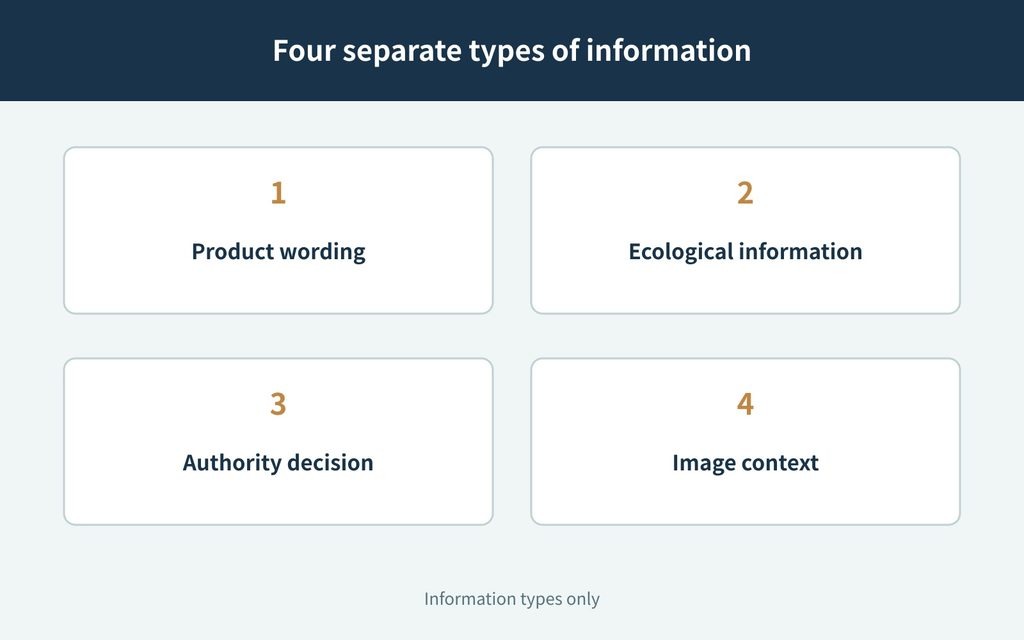
Information categories only; not a vehicle or site assessment.
Preserve records and responsibility
In an environmental project archive, record the title, issuer, date and stated scope of a document. If a publication and an official environmental statement differ, keep both with their original context rather than replacing one with the other.
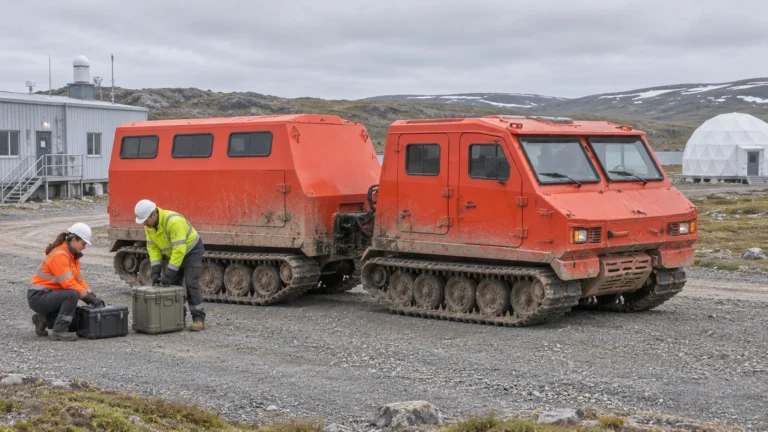
The accompanying blank workbook records source descriptions, conservation information and unresolved administrative questions. It is a document record; it does not contain site coordinates, route details, soil measurements or vehicle performance calculations.
An image may show an ordinary visitor centre or an existing service area, but it cannot prove that a site is designated or that an activity has been authorised. Use a clear caption and retain the distinction between concept and evidence.
Conservation comes first
Wetland access decisions belong to the relevant site managers and public authorities. A vehicle manufacturer does not grant permission for protected-area entry. In the absence of an applicable decision, no permission should be inferred from public marketing material.
For general published information, readers can consult the JINJIA product page [S3] and public contact entry [S5]. Environmental questions belong with the responsible conservation organisation and local authorities.
In short, respect wetland protection as a separate issue from the description of any vehicle. The educational sources below explain why the ecological character of wetlands matters.
View the published contact information for general documentation questions.
Frequently asked questions (FAQ)
A: No. A technical descriptor is not an official permission.
Q: Does a tracked vehicle description establish harmlessness?
A: No. A vehicle category is not an environmental assessment.
Q: Why do peatlands matter?
A: According to UNEP, peatlands contribute to biodiversity, water services and carbon storage [S1].
Q: Does the Convention on Wetlands approve a specific vehicle?
A: No. Its wise-use principle addresses wetland conservation; site decisions are separate.
Q: Does this image show a vehicle entering a protected wetland?
A: No. It is a fictional illustration of a parked vehicle outside the wetland.
Q: What is the accompanying workbook for?
A: It records source wording, document identity and administrative status; it does not assess trafficability.
References and source boundaries
S1: UN Environment Programme — Peatlands — UN environmental background on peatlands and ecosystem services.
S2: Convention on Wetlands — The wise use of wetlands — International conservation principle; not site-specific permission. Search-indexed public text reviewed; direct retrieval restricted.
S3: JINJIA / Response Mobility — Tracked Utility Vehicle — Manufacturer public information only.
S4: JINJIA — What Is a Tracked Utility Vehicle? — Broad category background, not permission or product performance evidence.
S5: JINJIA — Contact — Published contact information, not an environmental authority.