










Pipeline maintenance crew transport is a phrase in industry literature. However, ordinary staff and goods records, product descriptions and formal workplace approvals are different kinds of information. This overview explains the civilian vocabulary and worker-health context, without describing particular facilities or maintenance operations.
Contents
Scope of civilian maintenance terminology
Responsibility, worker welfare and documentation
Ordinary warehouse records and public statements
Public information and further reading
Frequently asked questions (FAQ)
References and source boundaries
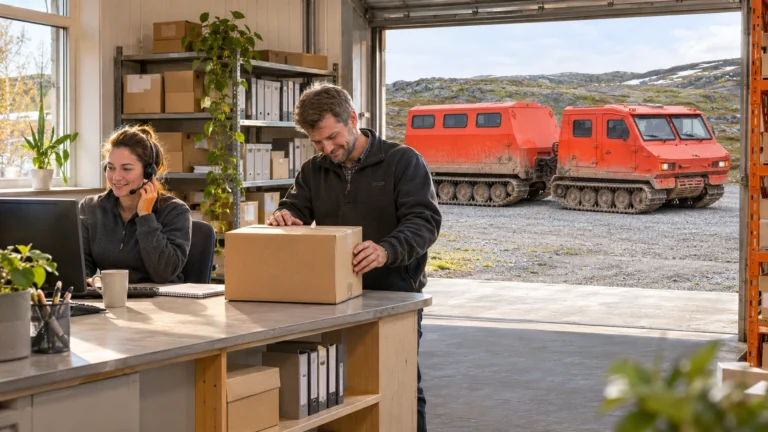
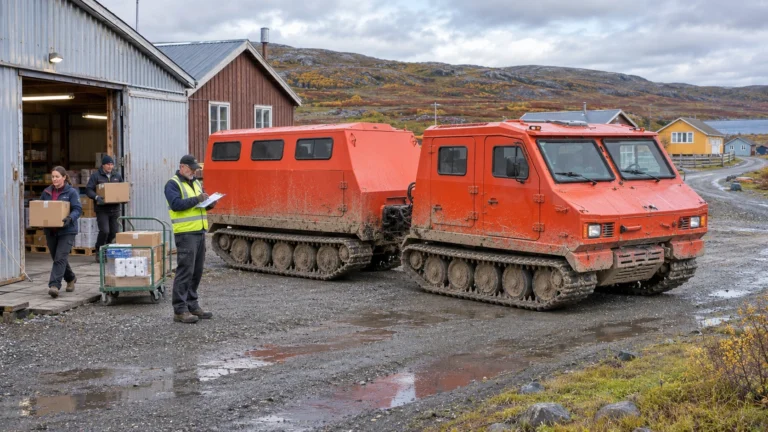
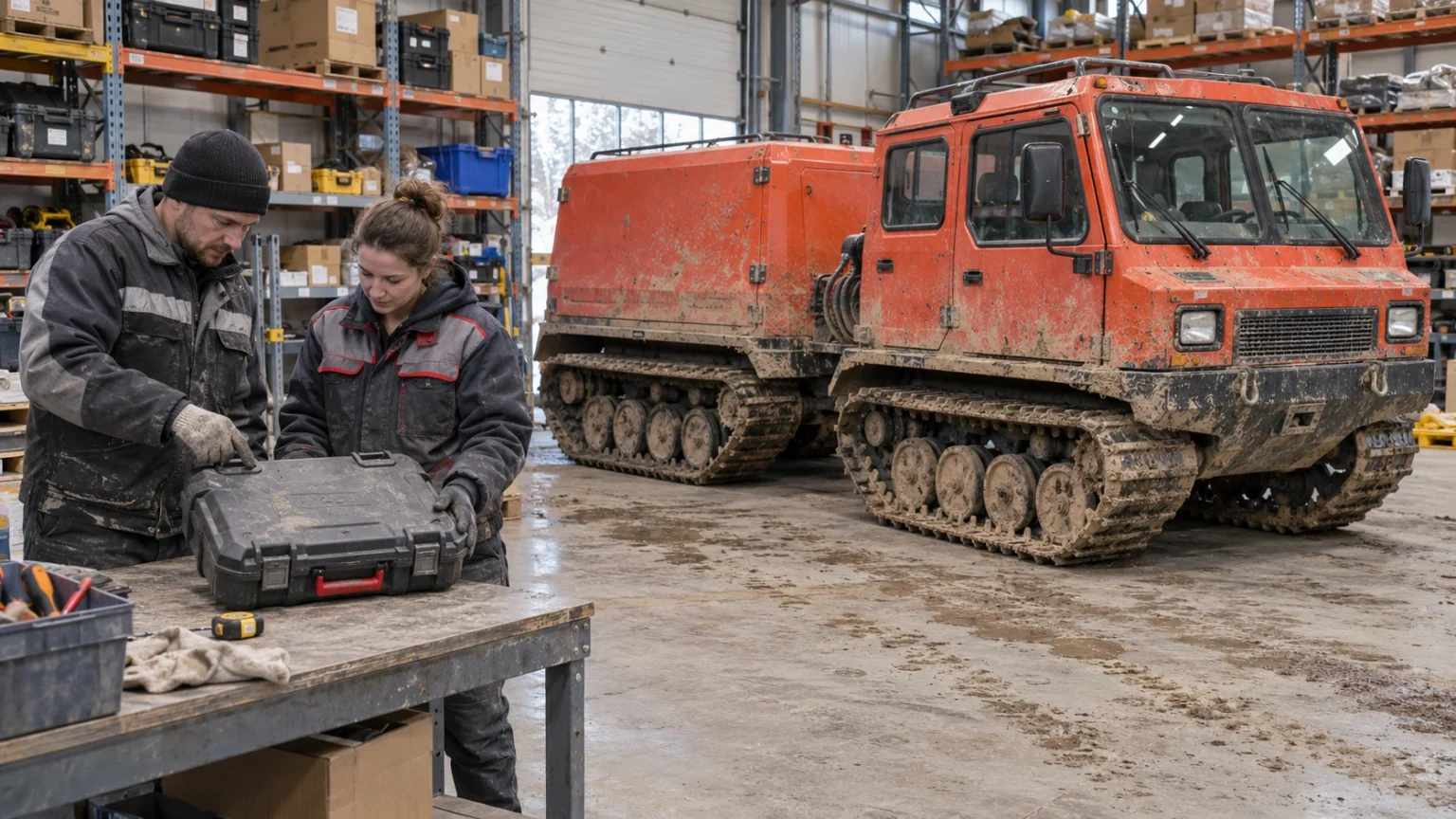
AI concept: generic civilian articulated carrier, warehouse staff and a closed ordinary tool case inside an anonymous commercial warehouse. Not a pipeline site, verified JJ117 delivery or repair.
Scope of civilian maintenance terminology
Maintenance describes the general responsibility of keeping equipment or property in an appropriate condition. In public industry literature, logistics and maintenance can appear together, but the terms refer to different subjects.
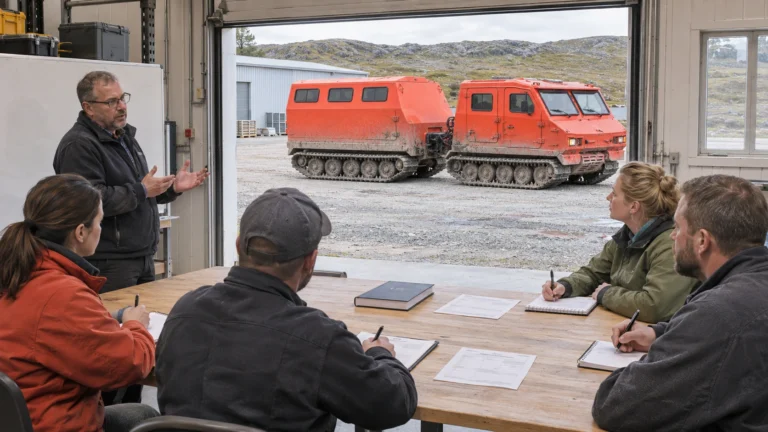
A crew description concerns people. A product description concerns equipment. Consequently, neither of these descriptions alone establishes that an industrial task has taken place.
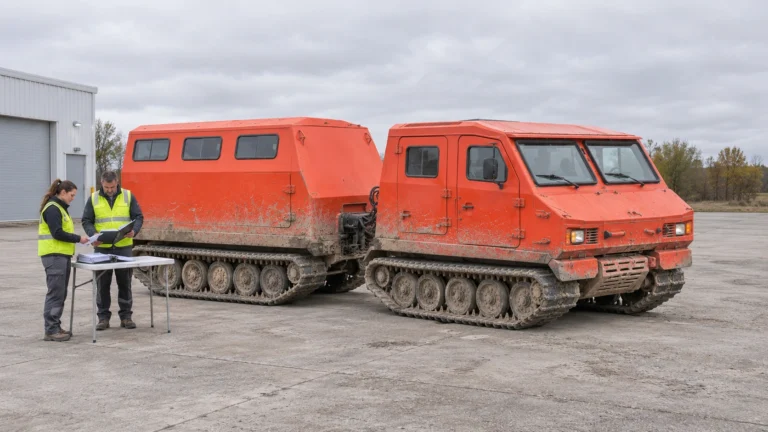
For example, a photograph of civilian workers beside a closed tool case at an ordinary warehouse can illustrate general commercial activity. It does not prove an inspection, repair, industrial access approval or transport contract.
Personnel and ordinary tools
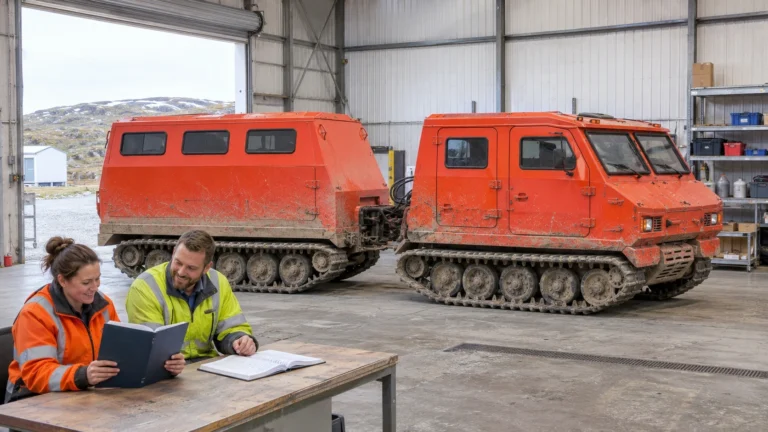
Personnel information relates to people, while ordinary tool records describe objects. These categories may appear in the same administrative file. Nevertheless, one type of information does not substitute for another.
NIOSH provides general occupational health information for outdoor workers [S1]. Its public overview emphasises that working conditions and weather can affect health. This is independent of any vehicle brochure.
The illustration accompanying this article shows a generic civilian carrier and warehouse employees beside a closed ordinary tool case. It is an AI concept, not a pipeline site, actual JJ117 delivery or completed repair.
Responsibility, worker welfare and documentation
Public descriptions of equipment have a different role from decisions made by an employer or responsible organisation. In particular, a vehicle name cannot establish a person’s qualification or a workplace approval.
OSHA describes general worker rights under US federal law, including understandable workplace safety training [S2]. These materials provide background on worker welfare, not a decision about an industrial facility. Applicable local requirements remain matters for qualified local professionals.
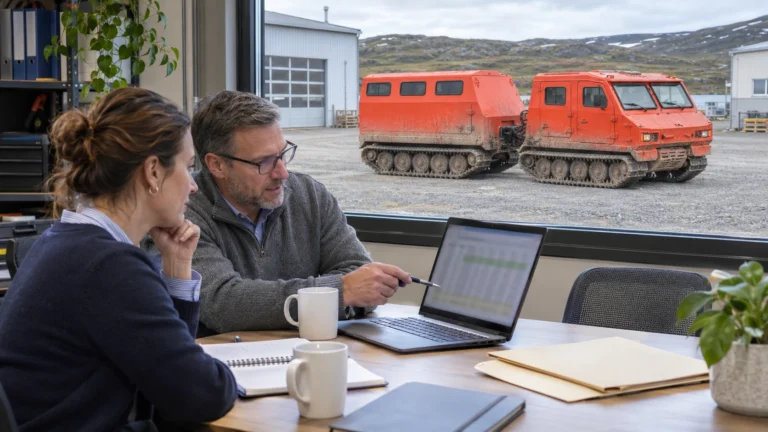
The graphic below distinguishes personnel information, ordinary tool records, product literature and official records. These categories explain the subject of a document, rather than a transport, repair or approval process.
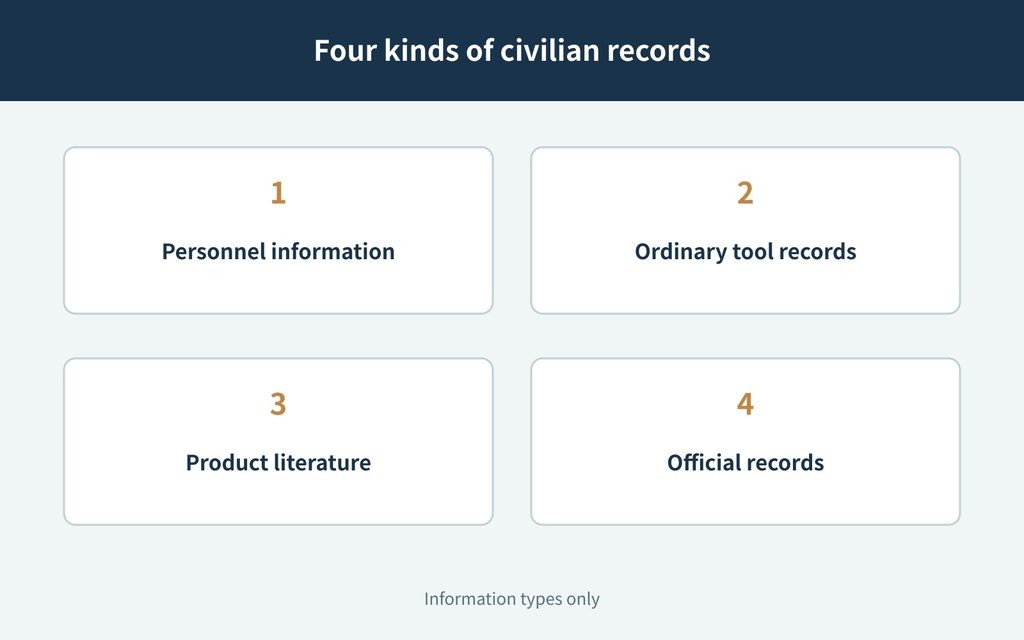
Information categories only; not a transport or repair process.
Ordinary warehouse records and public statements
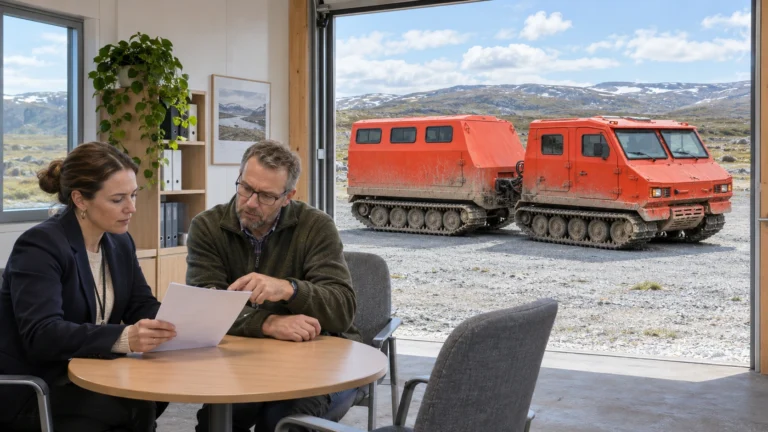
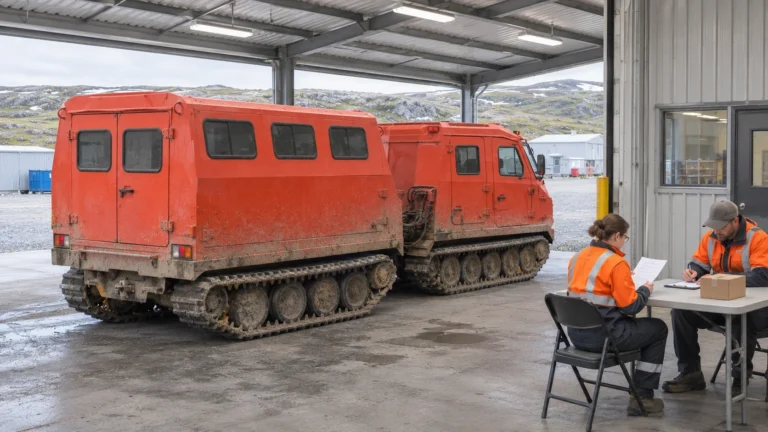
A receipt for ordinary goods and a completed-work statement have different subjects. Similarly, a generic image of a warehouse is not a receipt or a signed statement.
Public communication should preserve the original issuer, date and meaning of documents. For instance, a supplier brochure can describe a category of equipment without becoming evidence of a particular service contract.
The JINJIA tracked utility vehicle page [S3] provides manufacturer information. It does not constitute an independent statement of maintenance completion, personnel qualifications or workplace authorisation.
Public information and further reading
The public NIOSH and OSHA sources below [S1–S2] provide US occupational health background. The companion workbook is a register for public document identities; it does not gather facility information, work orders or operational arrangements.
The JJ117 series also has broader topics on civilian public-service and oil and gas industry information. This article focuses on the distinction between personnel, ordinary tool records and public statements.
In summary, retain the original meaning of public records and distinguish general illustrations from real project evidence. JINJIA provides general product and contact information on its website [S3–S4].
View the published contact information for general documentation questions.
Frequently asked questions (FAQ)
Q: Does a vehicle description prove workplace permission?
A: No. Product literature and official approvals are separate categories.
Q: Is an ordinary tool record a personnel record?
A: No. The two records have different subjects.
Q: Can a warehouse photograph demonstrate a completed repair?
A: No. An illustration does not demonstrate a real project.
Q: Where can readers find general outdoor worker-health information?
A: The NIOSH resource below provides public background.
Q: Does OSHA information certify a particular vehicle?
A: No. It describes worker protection in its US context.
Q: What is the companion register for?
A: Keeping public document titles, issuers, dates and subjects in their original context.
References and source boundaries
S1: NIOSH — Outdoor Workers — General US public occupational health information for outdoor workers; not an operating guide.
S2: OSHA — Worker Rights and Protections — US public worker protection information; not site approval or legal advice elsewhere.
S3: JINJIA — Tracked Utility Vehicle — Manufacturer product description only.
S4: JINJIA — Contact — Public brand contact information.