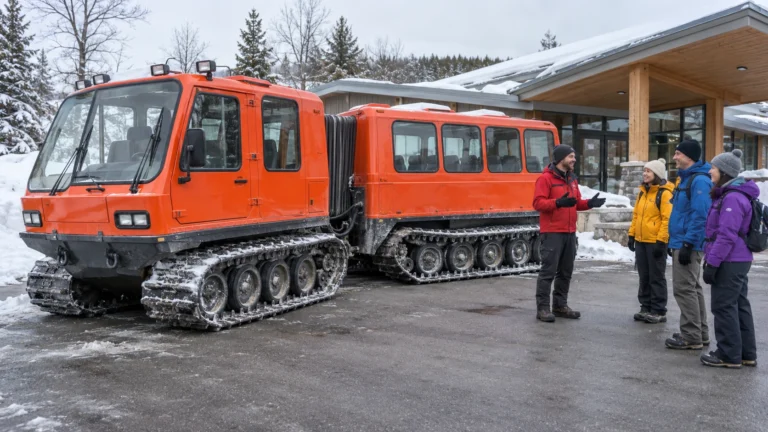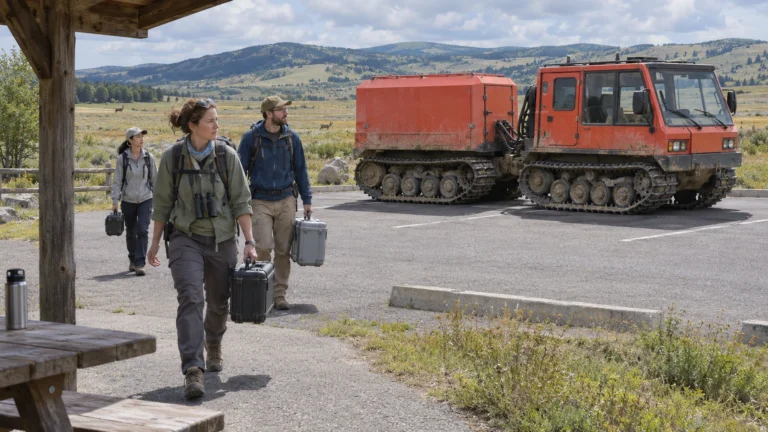











The US National Weather Service describes blizzards as storms combining wind and snow with very poor visibility [S1]. Even when snowfall stops, winter impacts can persist. Public warnings and official decisions take precedence over an equipment illustration.
Contents
What makes a blizzard different
Community warmth and ordinary supplies
Exercise reports and actual incidents
Frequently asked questions (FAQ)
References and source boundaries
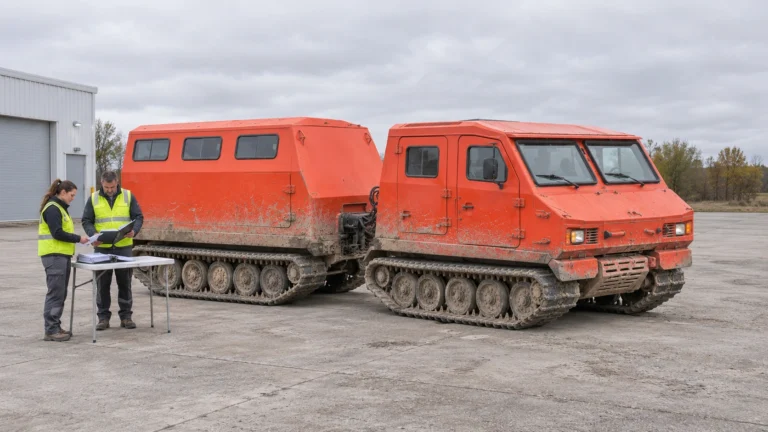
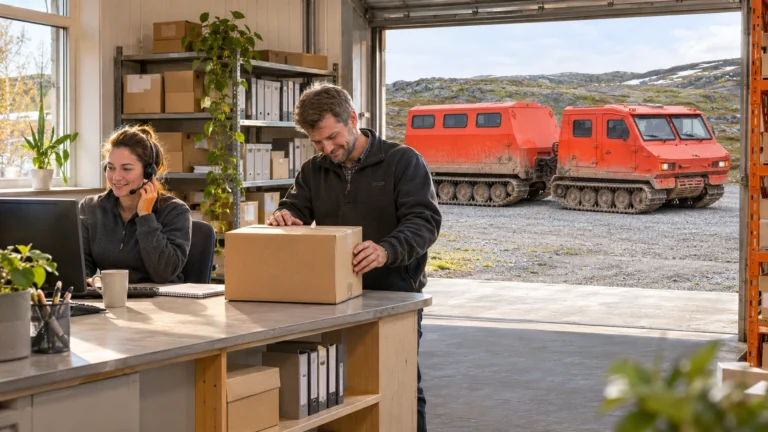
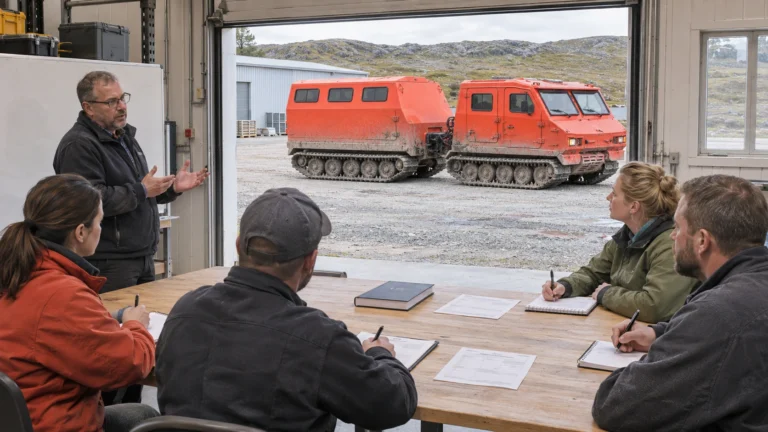
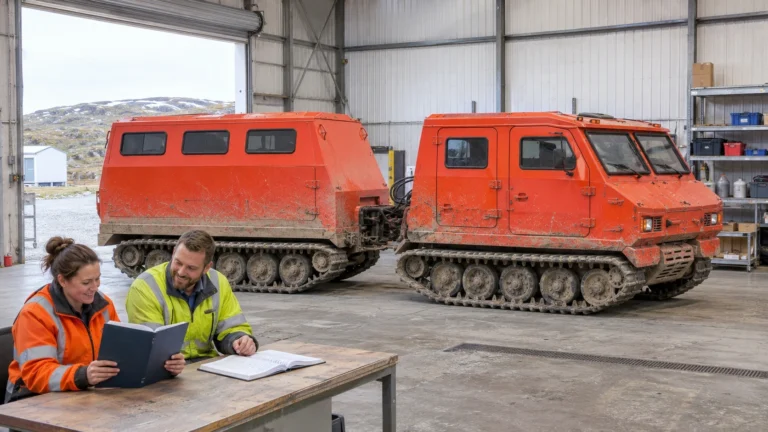
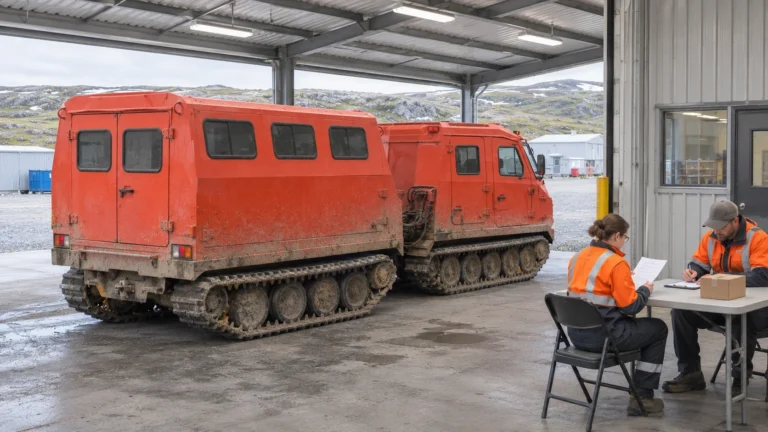
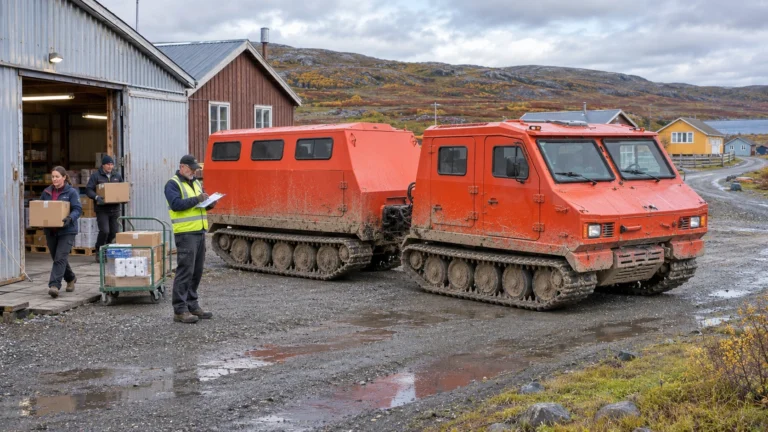
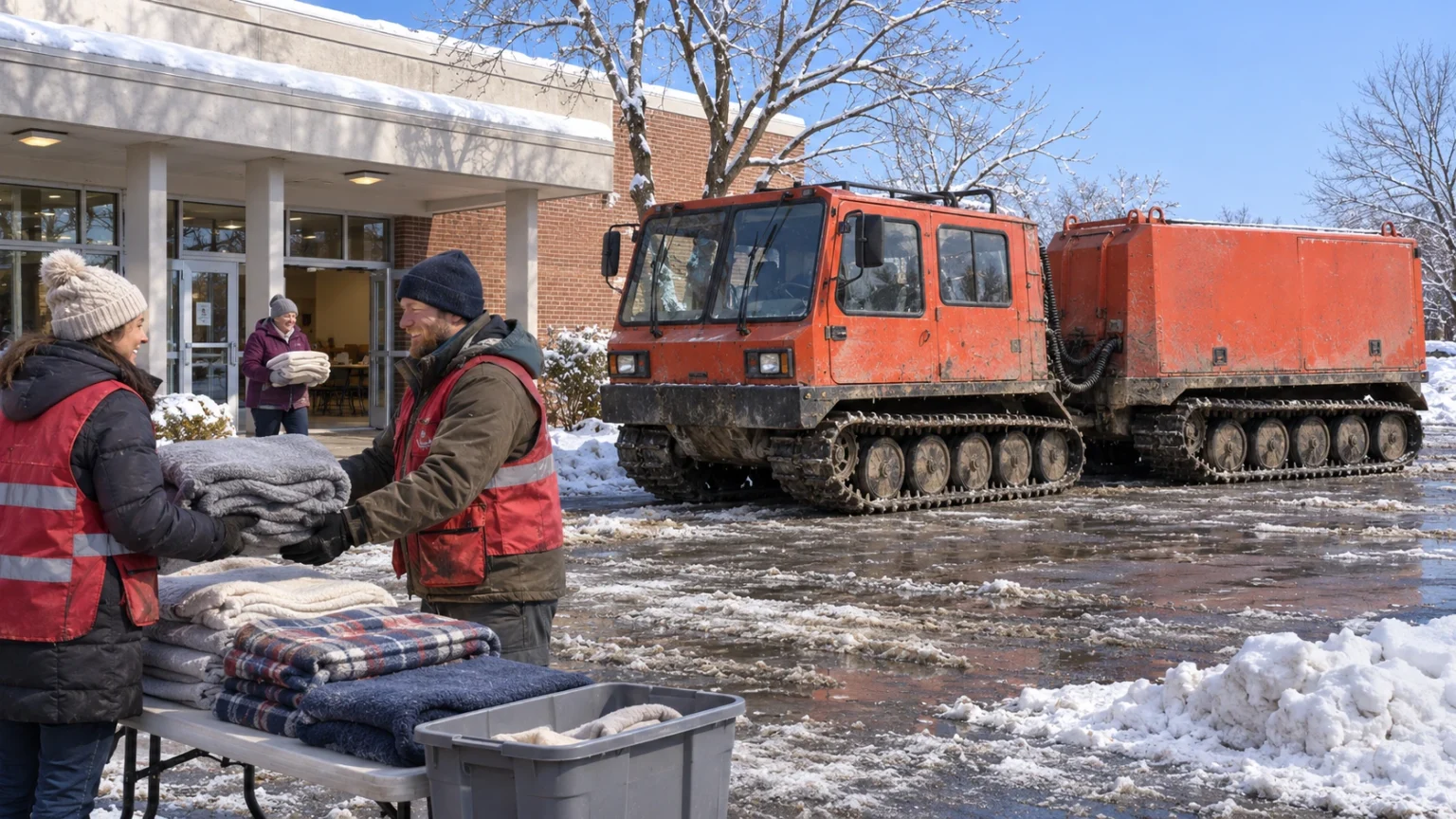
AI concept: A community warming centre after snowfall with insulated volunteers and blankets. Generic civilian carrier; not a verified JJ117 delivery or actual event.
What makes a blizzard different
The US National Weather Service describes blizzards as storms combining wind and snow with very poor visibility [S1]. Even when snowfall stops, winter impacts can persist. Public warnings and official decisions take precedence over an equipment illustration.
The subject of this article is civilian public information. A transport category and the organisations responsible for specialist work should not be treated as synonymous.
The distinction matters when publishing articles about civilian equipment: a sector label alone says nothing about an individual project.
Community warmth and ordinary supplies
Blankets, dry clothing and ordinary packaged supplies illustrate the human side of winter recovery. The concept image shows volunteers at an ordinary warming centre after the storm, not travel during a whiteout or the transfer of a stranded person.
The visual context is illustrative. Keep captions explicit about whether a picture is a historical record, a real delivered product or a concept.
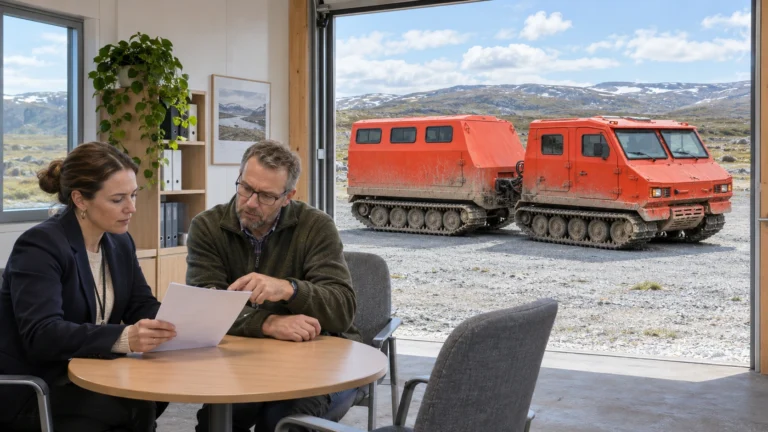
AI concept: A community warming centre after snowfall with insulated volunteers and blankets. Generic civilian carrier; not a verified JJ117 delivery or actual event.
Rescue and trained services
Evacuation is a responsibility of the appropriate emergency services. A warming centre and an ordinary goods carrier are not medical services or proof of rescue qualification. Residents should follow official instructions rather than infer safety from a vehicle photograph.
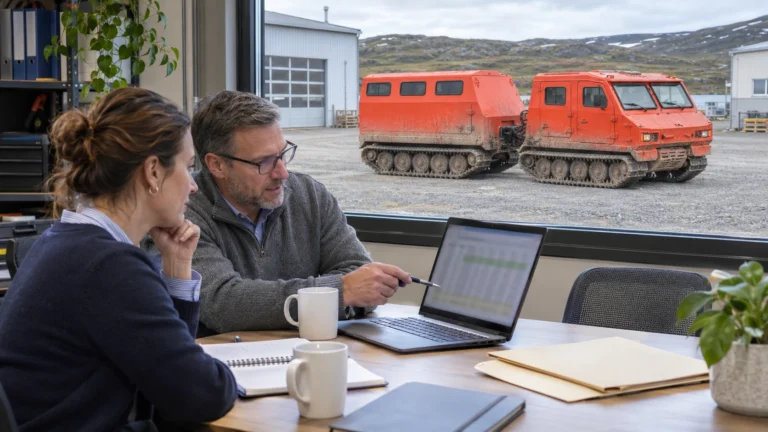
The accompanying graphic groups four information categories so that readers can distinguish the subjects of public materials. It is not an operating procedure.
Each category has its own source and subject, rather than a shared claim of authorisation.
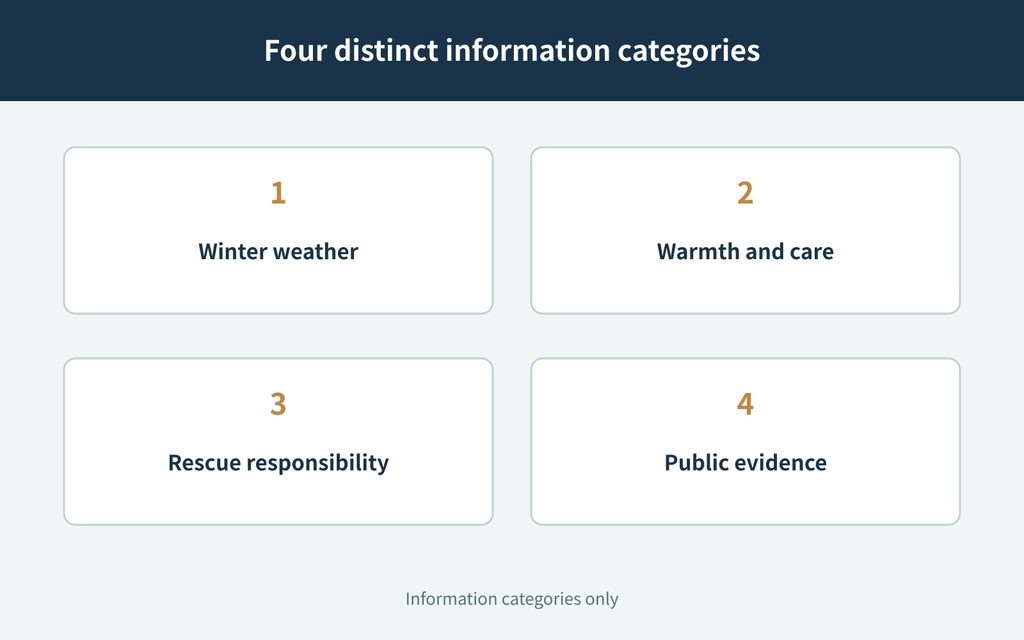
Information categories only; not an operating procedure.
Exercise reports and actual incidents
Fire and Rescue NSW reported a multi-agency winter exercise in the Snowy Mountains in September 2024 [S2]. An exercise report documents a training event; it does not prove that a particular vehicle rescued someone in an actual blizzard or establish JJ117 performance.
When discussing public evidence, preserve the original author, date, and context. A general supplier description does not replace an authoritative decision.
A dated record can establish its stated facts, but not a different model’s performance.
Further reading
The distinction between weather information, community care and trained rescue helps readers interpret winter disaster reporting. The manufacturer’s page [S3] is general product literature, not an evacuation approval.
The companion workbook records the identities of public documents, rather than site information or specialised operations. General contact details appear at [S4].
For general brand information, use the published contact page [S4].
View public brand contact details.
Frequently asked questions (FAQ)
A: No. Training, real incidents and product evidence must retain their original context.
Q: Does a concept picture prove delivery?
A: No. It is an illustration, not an original project record.
Q: What is the purpose of the product page?
A: It provides general manufacturer information, not an independent approval.
Q: Do third-party records establish JJ117 performance?
A: No. The original organisation and subject remain distinct.
Q: Where are the public sources?
A: See the references at the end of the article.
Q: What does the companion register contain?
A: Public document names, issuers, dates and stated subjects.
References and source boundaries
S1: US National Weather Service — Winter Storms and Blizzards — Public subject-matter source; not a JJ117 test or approval.
S2: Fire and Rescue NSW — Snowy Mountains exercise, 19 September 2024 — Public subject-matter source; preserve original scope.
S3: JINJIA — Tracked Utility Vehicle — Manufacturer product literature.
S4: JINJIA — Contact — Public brand contact information.