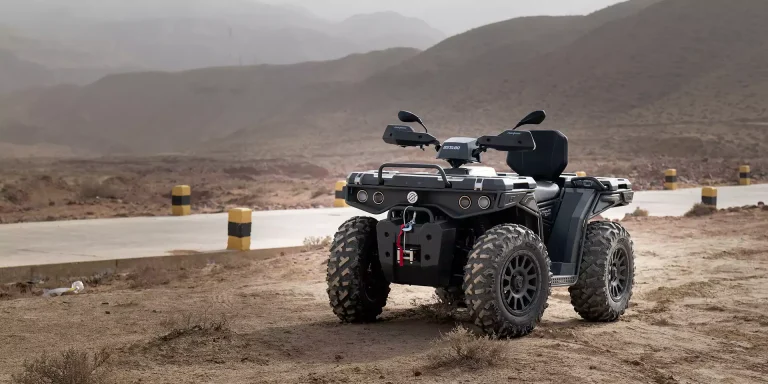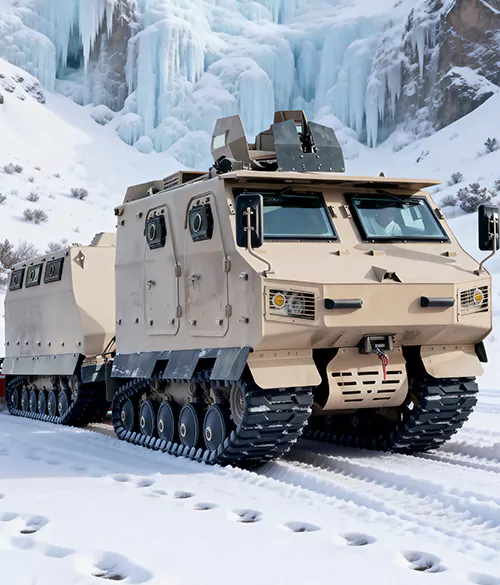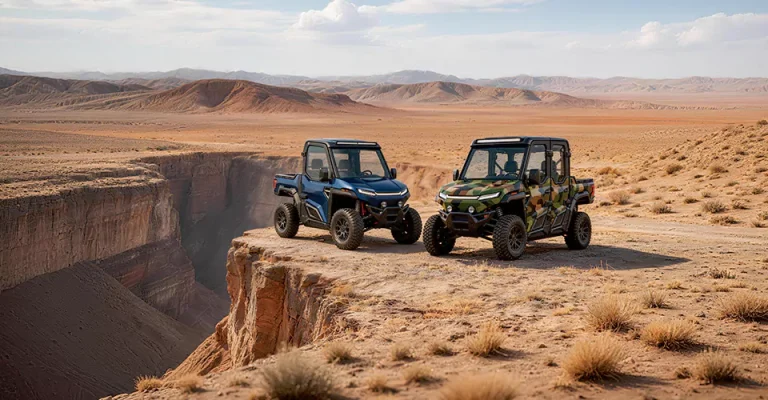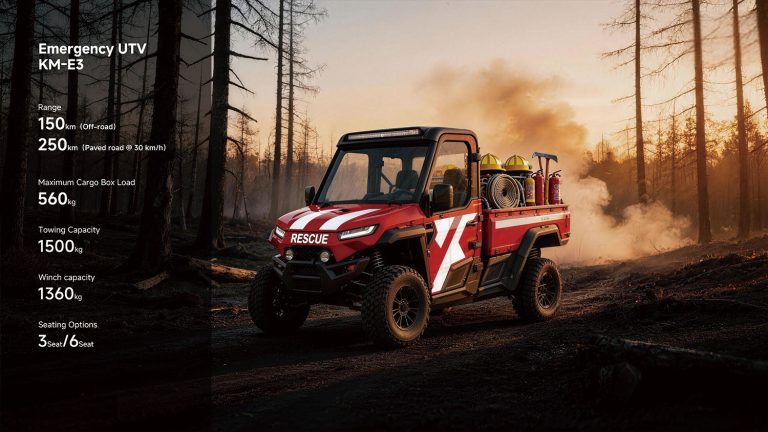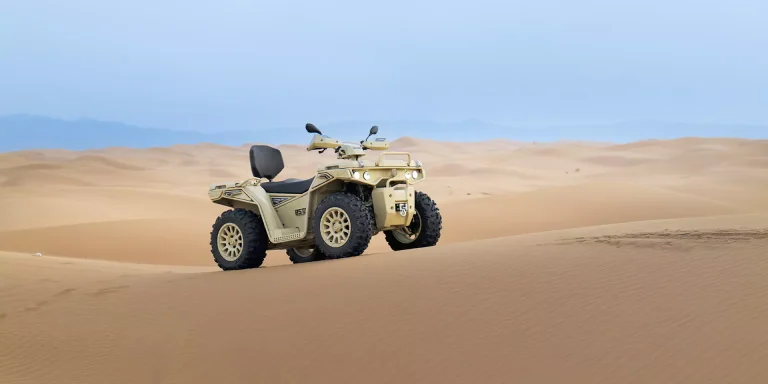











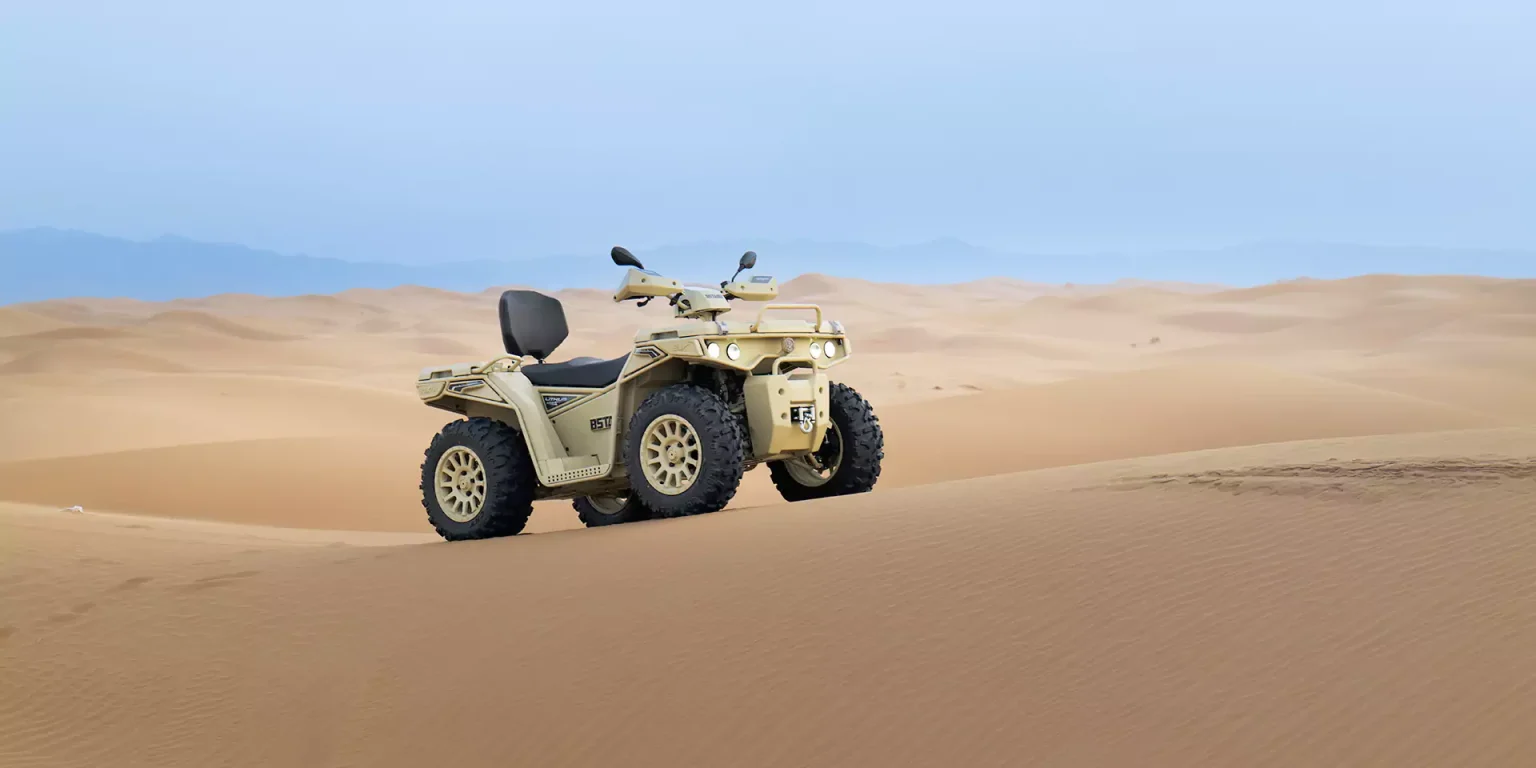
All-terrain vehicles (ATVs) are designed to travel across challenging surfaces where conventional vehicles may have difficulty operating. Their compact size, strong traction, and off-road capability make them useful for a wide range of professional and recreational applications.
Today, ATVs are used not only for outdoor recreation but also in search and rescue, agriculture, forestry, construction, industrial maintenance, and emergency response.
1. Search and Rescue Operations
One of the most important applications of ATVs is search and rescue.
Rescue teams often need to reach locations that cannot be easily accessed by cars, trucks, or ambulances. ATVs can travel along narrow trails, muddy paths, forests, and other difficult terrain.
They can be equipped with:
- Rescue equipment
- Medical supplies
- Communication systems
- Winches
- Patient transport equipment
- Emergency lighting
ATVs can help rescue personnel reach people quickly and transport essential equipment to remote locations.
2. Agriculture and Farming
Agriculture is one of the most common professional applications for utility ATVs.
Farmers can use ATVs to move around large properties without relying on roads. Their compact size allows them to access fields, livestock areas, orchards, and narrow paths.
Typical applications include:
- Inspecting crops
- Monitoring livestock
- Transporting tools
- Carrying small loads
- Checking fences
- Moving between fields
- Applying certain agricultural products
ATVs can save time when workers need to cover large areas quickly.
3. Forestry
Forestry operations often take place in remote areas with uneven ground, narrow trails, and limited vehicle access.
ATVs can help forestry workers transport tools and personnel through forest environments.
Common uses include:
- Forest inspection
- Trail maintenance
- Equipment transportation
- Site surveying
- Monitoring plantations
- Accessing remote work areas
Their relatively small footprint also allows them to travel through areas where larger vehicles may be impractical.
4. Construction and Site Maintenance
Construction sites are not always flat or fully developed. During early-stage construction, roads may be incomplete, muddy, or difficult to access.
ATVs can provide convenient transportation for workers and small equipment around large sites.
They may be used for:
- Site inspection
- Transporting tools
- Moving small materials
- Checking remote areas
- Maintenance work
- Supporting larger construction equipment
ATVs are particularly useful when workers need to move frequently between different parts of a large site.
5. Industrial Inspection and Maintenance
Industrial facilities can cover large areas, including pipelines, power infrastructure, mining sites, and remote installations.
ATVs can help maintenance teams move between inspection points efficiently.
For example, they may be used for:
- Pipeline inspection
- Utility maintenance
- Equipment checks
- Infrastructure inspection
- Remote facility access
- Carrying maintenance tools
Specialized accessories can further adapt an ATV to a specific industrial task.
6. Mining Operations
Mining environments often include rough roads, loose surfaces, steep areas, and remote work locations.
ATVs can be used to transport personnel, tools, and small equipment around suitable mining sites.
Typical applications include:
- Site inspection
- Maintenance support
- Equipment transportation
- Surveying
- Accessing remote work areas
For larger loads or extremely demanding terrain, however, specialized heavy-duty vehicles may be more appropriate.
7. Emergency and Disaster Response
Natural disasters can damage roads and make normal transportation difficult.
After floods, storms, earthquakes, or other emergencies, ATVs can provide mobility across debris, dirt roads, and damaged terrain.
They can support emergency teams by transporting:
- Food and water
- Medical supplies
- Communication equipment
- Emergency tools
- Rescue personnel
For flooded terrain, amphibious vehicles can provide additional capabilities because they are designed to operate on water as well as land.
8. Parks and Wildlife Management
National parks, wildlife reserves, and large outdoor properties often require regular inspection and maintenance.
ATVs can help personnel travel through trails and remote areas while carrying tools and equipment.
Applications include:
- Wildlife monitoring
- Trail inspection
- Park maintenance
- Environmental surveys
- Fence inspection
- Fire prevention activities
9. Utility and Infrastructure Maintenance
Power lines, communication infrastructure, pipelines, and other utilities can extend across difficult terrain.
ATVs can provide access to areas where conventional service vehicles cannot easily travel.
Utility teams may use them to inspect and maintain:
- Power lines
- Pipelines
- Communication facilities
- Remote equipment
- Access roads
This can reduce the time required to reach remote infrastructure.
10. Outdoor Recreation and Tourism
ATVs are also widely used for recreational purposes.
They are popular for:
- Off-road tours
- Adventure activities
- Trail riding
- Outdoor exploration
- Hunting and camping
Tour operators may use ATVs to provide controlled access to outdoor areas where permitted.
ATV Applications at a Glance
| Application | Typical Uses | Main Benefit |
|---|---|---|
| Search & Rescue | Rescue equipment, emergency access | Fast access to remote terrain |
| Agriculture | Crop inspection, livestock, tools | Efficient farm transportation |
| Forestry | Inspection, maintenance, equipment | Access to forest trails |
| Construction | Site inspection, tools, materials | Easy movement around sites |
| Industrial | Inspection and maintenance | Access to remote facilities |
| Mining | Surveys, maintenance, transportation | Mobility on rough terrain |
| Disaster Response | Emergency supplies and personnel | Rapid off-road access |
| Parks & Wildlife | Monitoring and maintenance | Access to remote areas |
| Utilities | Infrastructure inspection | Reach difficult locations |
| Recreation | Tours and trail riding | Off-road mobility and enjoyment |
How to Choose the Right ATV for Your Application?
Different applications require different vehicle configurations. Before purchasing an ATV, consider:
Terrain
Identify the primary operating environment. Mud, sand, snow, rocks, forests, and steep terrain may require different tire and drivetrain configurations.
Payload
Consider the combined weight of the operator, passengers, tools, equipment, and cargo.
Towing Requirements
If the ATV needs to tow a trailer or other equipment, check its rated towing capacity.
Operating Distance
For large farms, forests, or industrial sites, consider fuel capacity, battery capacity, and overall operating range.
Required Accessories
Racks, winches, trailers, storage systems, emergency equipment, and other accessories can make an ATV more suitable for professional work.
Water and Flood Conditions
If the vehicle will frequently operate in deep water, flooded areas, or wetlands, consider an amphibious vehicle instead of a conventional ATV.
Conclusion
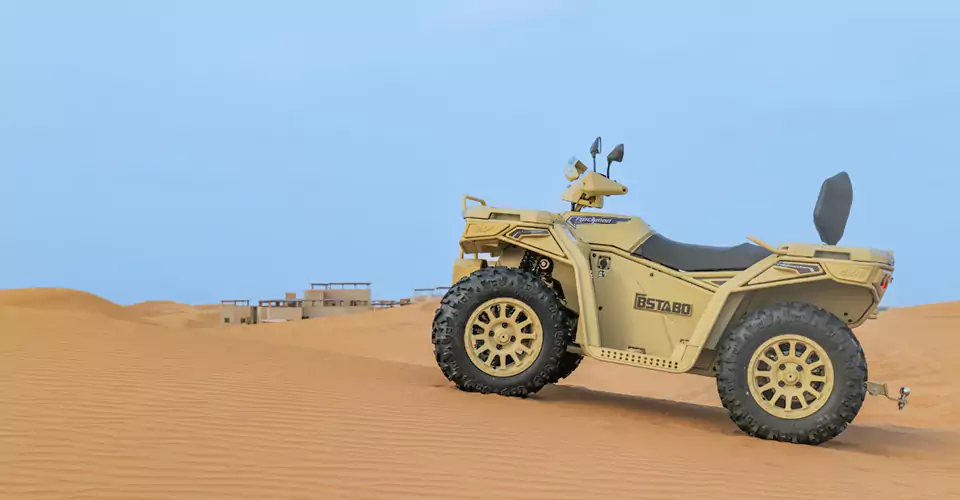
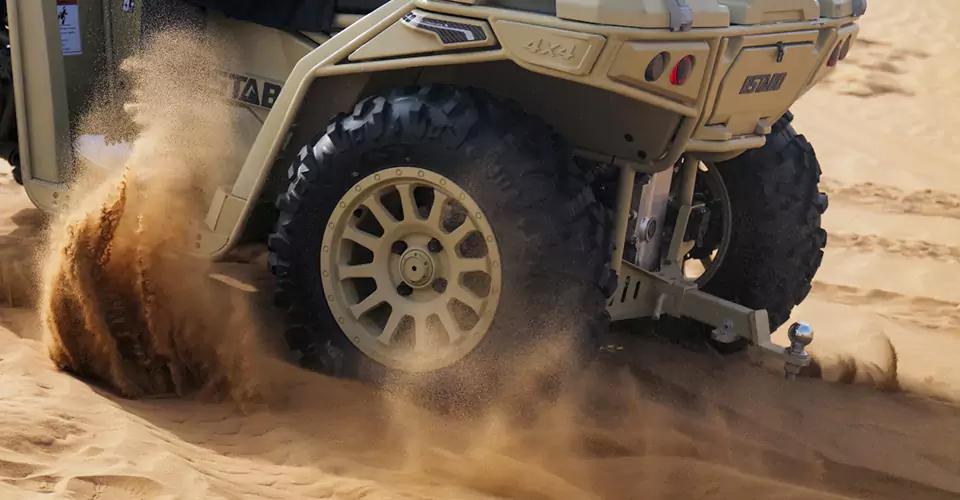
All-terrain vehicles have evolved from recreational machines into versatile tools for professional operations. Their compact design, maneuverability, and off-road capability make them valuable in rescue operations, agriculture, forestry, construction, mining, industrial maintenance, disaster response, and utility work.
However, extreme environments can exceed the capabilities of conventional ATVs. When an application involves both challenging land terrain and water, an amphibious vehicle can provide a more flexible mobility solution.
For professional all-terrain and amphibious vehicle solutions, contact Jinjia Special Equipment at info@responsemobility.com.