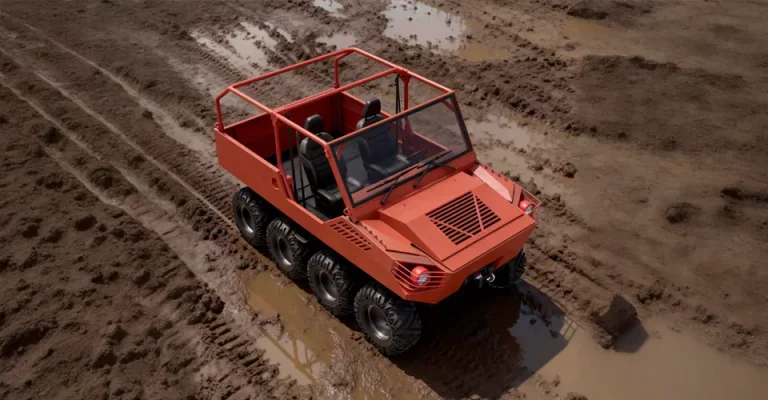











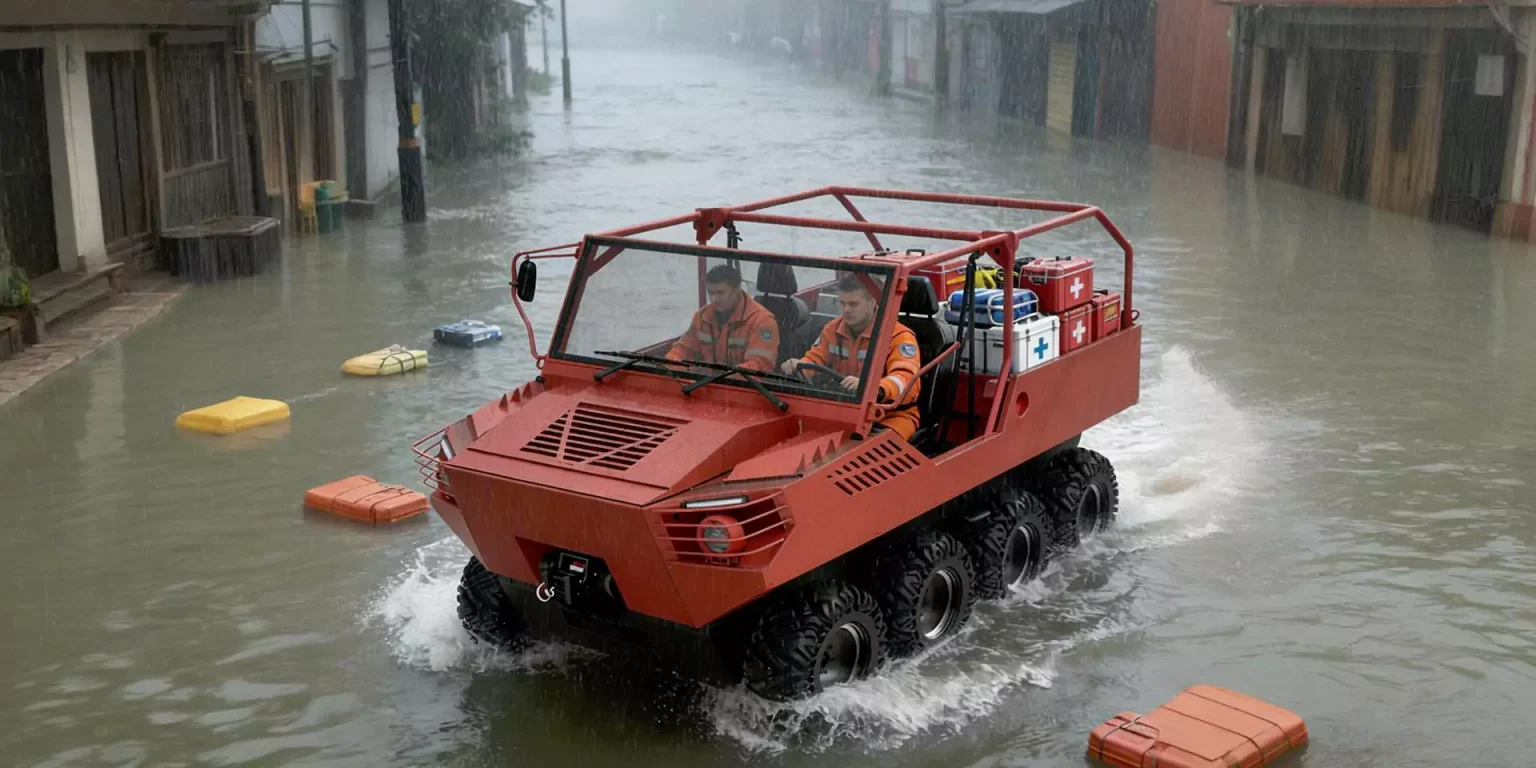
Amphibious vehicles are among the most fascinating transportation technologies available today. Designed to travel on both land and water, they offer unmatched versatility for rescue operations, environmental work, tourism, and specialized transportation. However, one question often arises among potential buyers and operators: Are amphibious vehicles street legal?
The answer is not always straightforward. Street legality depends on the vehicle’s design, local regulations, and whether it meets the requirements for road use in a particular country or region.
In this guide, we’ll explain what determines whether an amphibious vehicle can legally operate on public roads and what owners should consider before driving one.
What Does “Street Legal” Mean?
A street-legal vehicle is one that meets the safety, emissions, registration, and operational requirements established by local transportation authorities.
To be considered road legal, a vehicle typically must have:
- Headlights and taillights
- Turn signals
- Mirrors
- Seat belts
- A horn
- Windshield and wipers (where required)
- Proper tires
- Vehicle Identification Number (VIN)
- Registration and license plates
- Insurance coverage
The exact requirements vary by country, state, or municipality.
Can Amphibious Vehicles Be Driven on Public Roads?
Some amphibious vehicles are designed specifically to comply with road regulations and can be legally driven on public roads. Others are intended only for off-road, industrial, or specialized applications and cannot be registered for street use.
Whether an amphibious vehicle is street legal depends on several factors:
Vehicle Classification
Transportation authorities may classify amphibious vehicles differently depending on their design and intended use.
They may be categorized as:
- Passenger vehicles
- Utility vehicles
- Low-speed vehicles
- Special-purpose vehicles
- Off-road vehicles
The classification affects registration and operating requirements.
Compliance with Safety Standards
Even if a vehicle can operate on land, it must satisfy road safety standards before it can legally share public roads with other traffic.
Manufacturers that intend their amphibious vehicles for road use typically incorporate the necessary safety equipment during production.
Local Regulations
Road legality varies significantly across jurisdictions.
A vehicle that is legal in one state or country may require modifications, special permits, or additional inspections elsewhere. Owners should always verify local requirements before operating an amphibious vehicle on public roads.
Are Amphibious Vehicles Legal on Water?
In addition to road regulations, amphibious vehicles must often comply with boating regulations when operating on water.
Depending on the jurisdiction, operators may need:
- Vessel registration
- Safety equipment
- Navigation lights
- Personal flotation devices
- Operator certifications or licenses
This means an amphibious vehicle may be subject to both vehicle and marine regulations.
Conclusion
Whether an amphibious vehicle is street legal depends on its design and the regulations where it will be operated. Some models can be registered and driven on public roads, while others are intended exclusively for off-road, industrial, or specialized environments.
Before purchasing or operating an amphibious vehicle, it is important to verify local requirements regarding registration, safety compliance, insurance, and waterway regulations. Doing so ensures safe and legal operation while maximizing the benefits of this unique transportation technology.
If you’re looking for professional amphibious vehicle solutions for rescue, environmental, industrial, or specialized transportation applications, Jinjia Special Equipment can help. For product information, technical support, or customized solutions, please contact panjun@responsemobility.com.