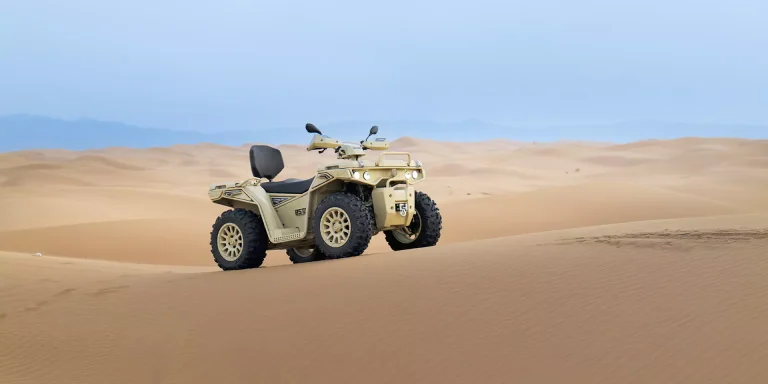











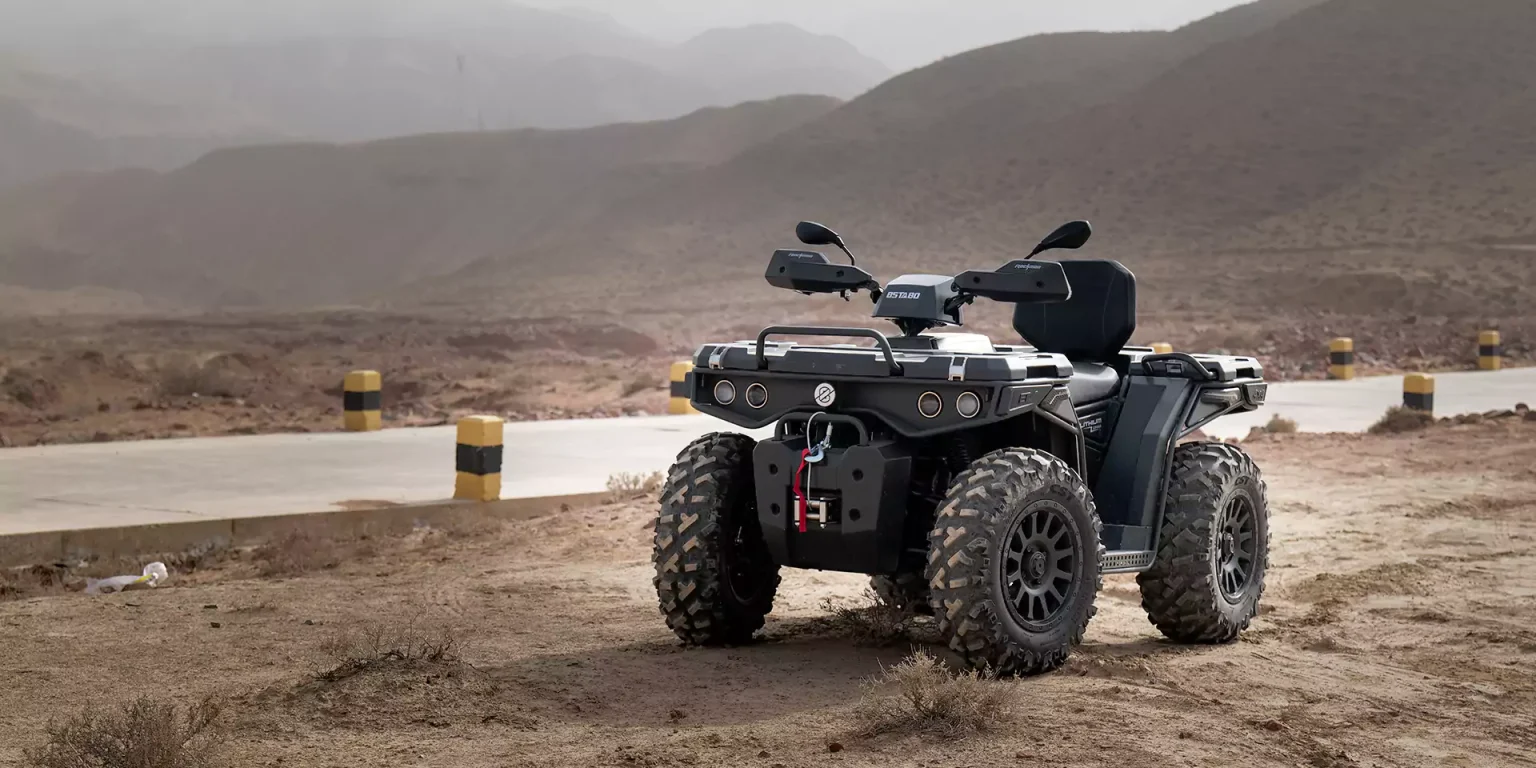
Yes—an ATV can drive through mud, and that’s actually one of the environments where it is most commonly used. But how well it performs depends on the machine, the rider’s technique, and the type of mud involved.
Below is a clear, original breakdown of how ATVs handle mud, what makes them good (or bad) at it, and how to ride safely in muddy terrain.
Can an ATV Drive Through Mud?
An ATV (All-Terrain Vehicle) is designed to handle off-road conditions such as dirt, sand, rocks, snow, and mud. Mud riding is especially popular because it tests both the power and traction capabilities of the machine.
In most cases, a properly equipped ATV can drive through mud successfully, but deep or sticky mud can quickly become challenging even for experienced riders.
Why ATVs Are Capable in Mud
ATVs are built with features that make them suitable for muddy terrain:
1. Off-Road Tires
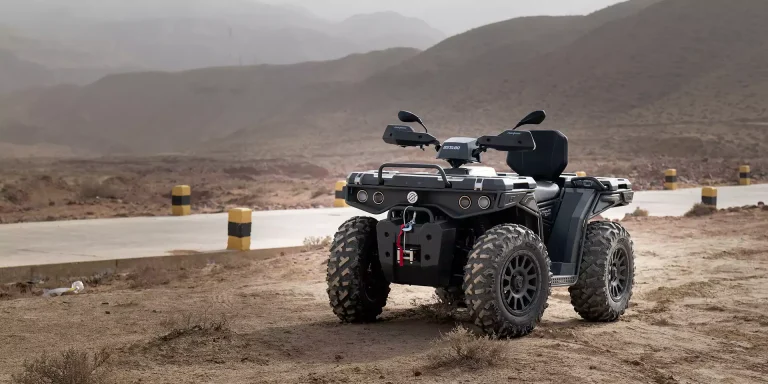
ATV tires are wide with deep tread patterns. These help:
- Grip soft, slippery surfaces
- Push through thick mud
- Self-clean by shedding mud while spinning
2. Lightweight Design
Compared to cars and larger vehicles, ATVs are relatively light, which helps them:
- Avoid sinking too quickly
- Maintain better floatation on soft ground
3. Powerful Engines
Modern ATVs often come with strong torque output, which is essential for:
- Pulling through resistance
- Keeping momentum in sticky terrain
4. 4WD Systems (on many models)
Four-wheel drive improves traction significantly by distributing power to all wheels.
Types of Mud and How ATVs Perform
Not all mud is the same. Performance varies greatly depending on conditions:
Shallow Mud
- Easy for most ATVs
- Requires basic throttle control
- Minimal risk of getting stuck
Deep Mud Holes
- Requires momentum and skill
- High chance of getting stuck
- Often used in recreational “mud riding” parks
Sticky Clay Mud
- Most difficult type
- Can clog tires and reduce traction quickly
- May require winching or recovery tools
Wet Trail Mud
- Common after rain
- Usually manageable with standard ATV setups
Risks of Driving an ATV in Mud
While mud riding is fun, it also comes with real risks:
- Getting stuck in deep or hidden holes
- Loss of control due to slippery surfaces
- Engine strain from constant high torque demand
- Reduced visibility from mud splashing
- Damage to components like air filters or belts
Proper preparation is key to avoiding these issues.
Tips for Riding an ATV in Mud Safely
If you plan to ride through muddy terrain, follow these best practices:
Maintain Momentum
Stopping in deep mud often leads to getting stuck. Keep steady forward movement.
Use the Right Tires
Mud-specific tires with aggressive tread patterns improve performance significantly.
Avoid Sudden Acceleration
Smooth throttle control helps maintain traction.
Inspect Terrain First
Look for deep holes, water-covered obstacles, or unstable ground.
Clean Your ATV After Riding
Mud can damage:
- Bearings
- Brakes
- Air filters
- Suspension components
When an ATV Should NOT Enter Mud
Even though ATVs are capable, there are situations where it’s better to avoid mud:
- Extremely deep mud with unknown depth
- Areas with submerged rocks or debris
- Environmentally protected wetlands
- Flooded zones with strong currents
Conclusion
So, can an ATV drive through mud? Absolutely—but with limits. ATVs are designed for off-road environments and can handle most muddy conditions when properly equipped and operated. However, deep, sticky, or unpredictable mud can still challenge even experienced riders.
The key to successful mud riding is not just power, but preparation, technique, and awareness of terrain conditions. For more product details or cooperation inquiries, you can also contact JINJIA Special Equipment at panjun@responsemobility.com.