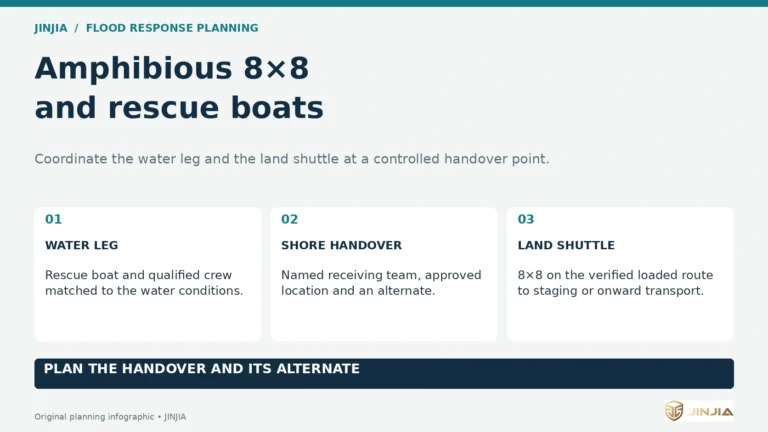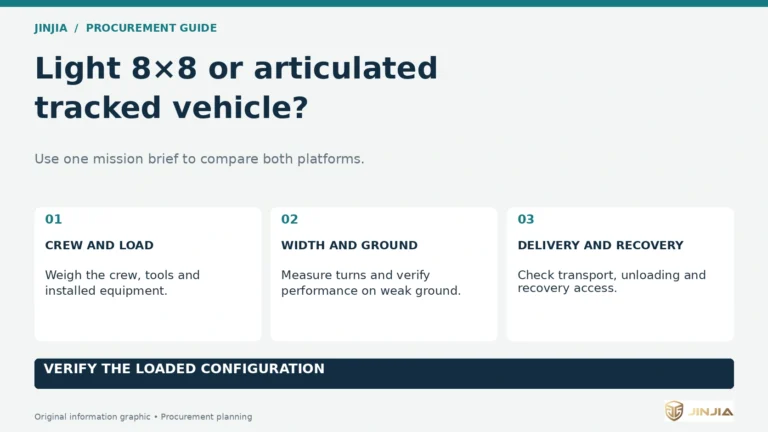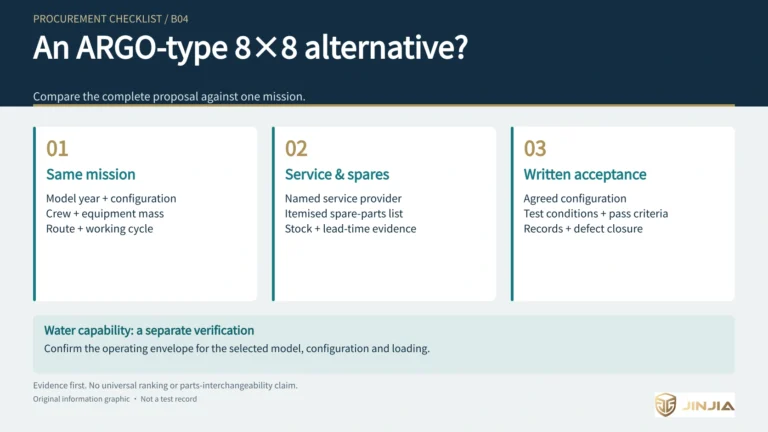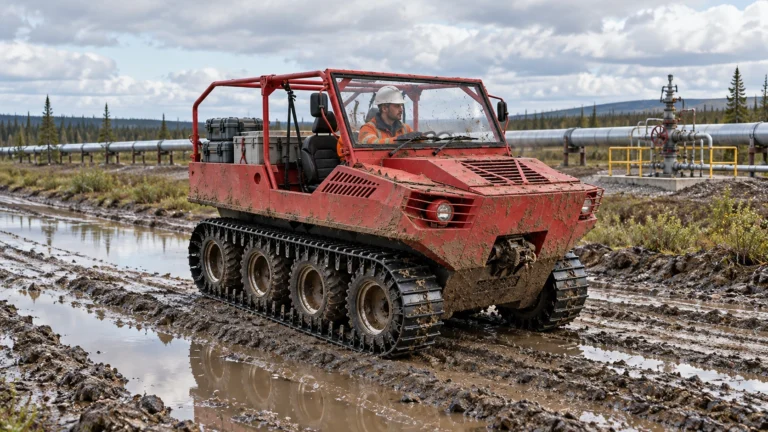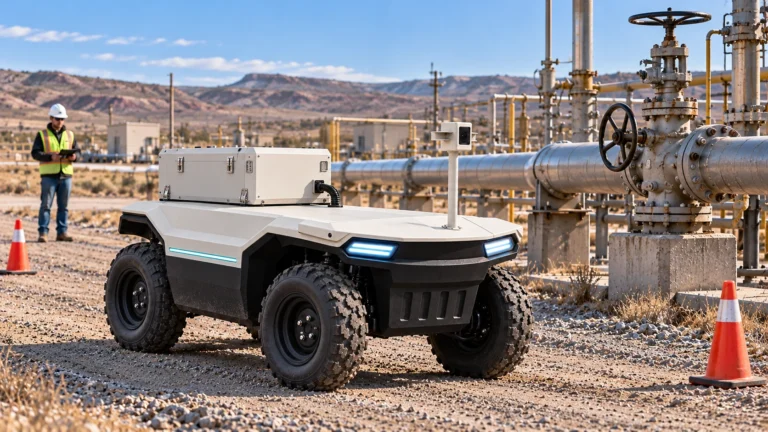


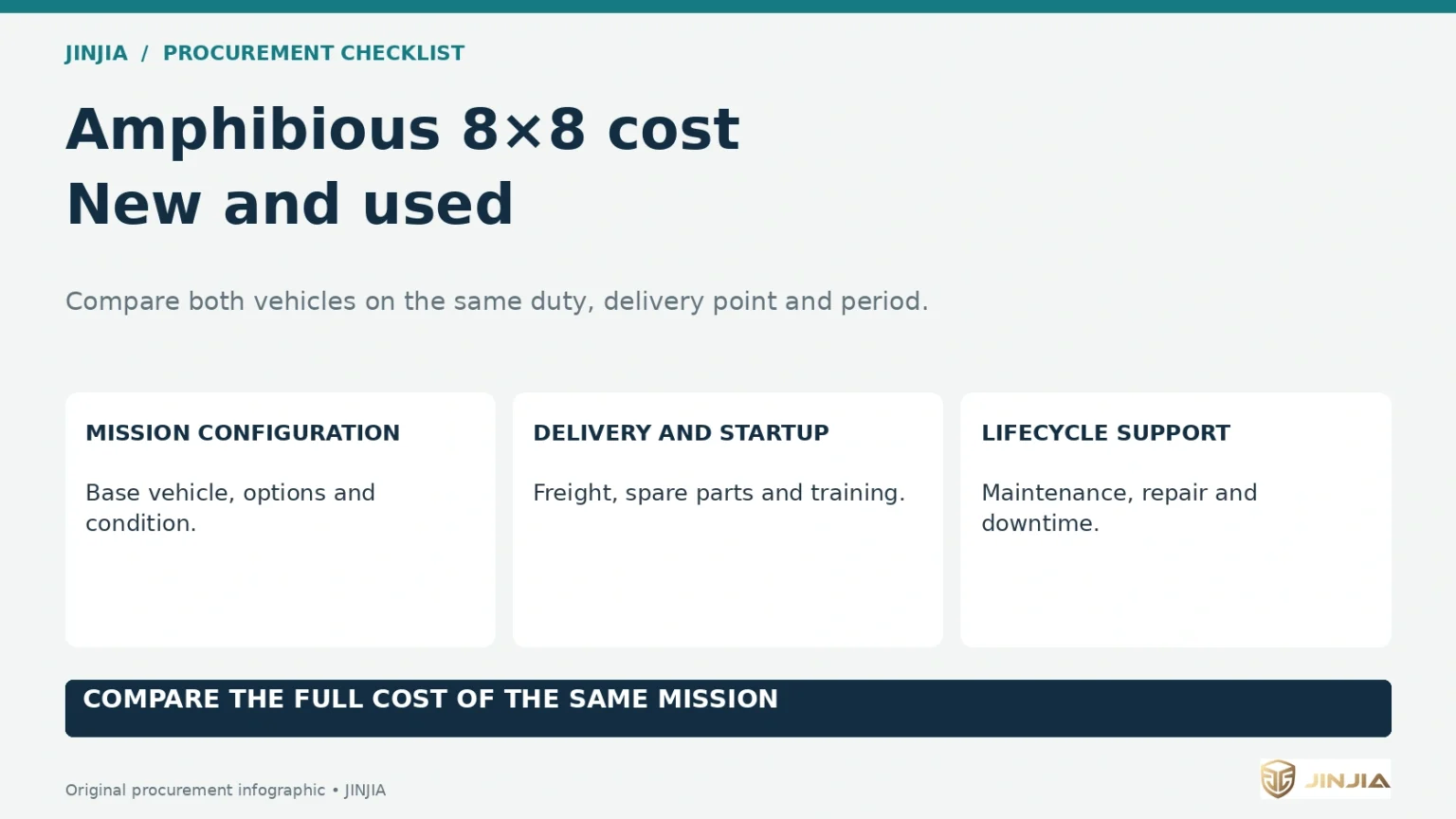
Original procurement infographic for comparing new and used amphibious 8×8 vehicles on the same duty.
Start with a comparable 8×8 quote
Compare new and used amphibious 8×8 vehicles on the cost of completing the same work over the same period. The purchase price is one line in that comparison. Set the route, crew, equipment, operating hours, seasonal conditions and required availability first. Then request a configuration and scope of supply for each vehicle. If the vehicles cover different parts of the route, include the cost of the additional vehicle or service needed to close the gap.
What the evidence can establish
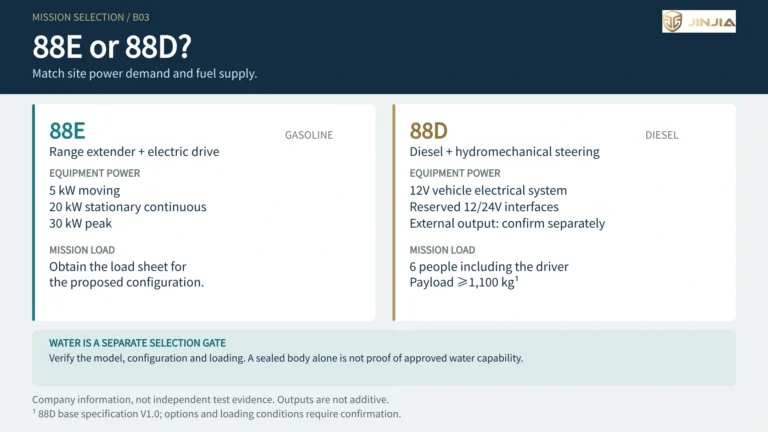
JINJIA’s 88D diesel specification describes a standard six-seat layout including the driver. The 88E is a separate gasoline range-extended electric platform. Use the relevant configuration sheet and a current written quotation for each candidate. Seating data describe the specified layout. Request separate written limits for loaded water use and a documented acceptance plan for the intended duty.
For a used unit, ask for its serial number, year, operating hours or mileage, maintenance and repair records, and the list of installed equipment. Match the records and photos to the vehicle inspected. A seller’s declaration, a maintenance record and an inspection under the agreed load answer different questions. Log missing evidence and assign a cost allowance, a condition of purchase or a reason to exclude the unit from comparison.
Vehicle and mission configuration
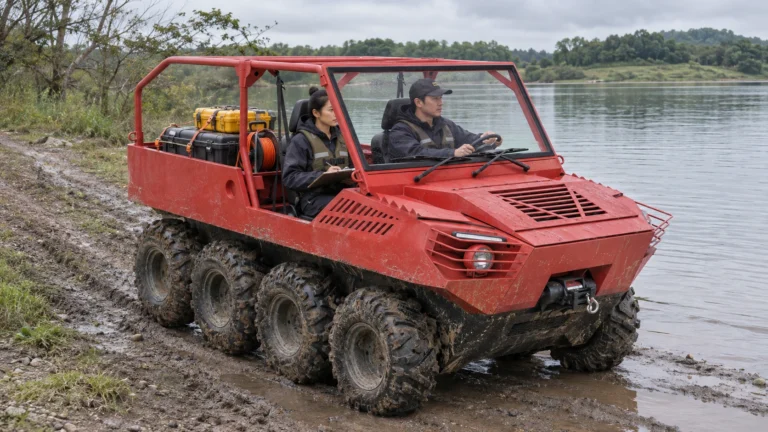
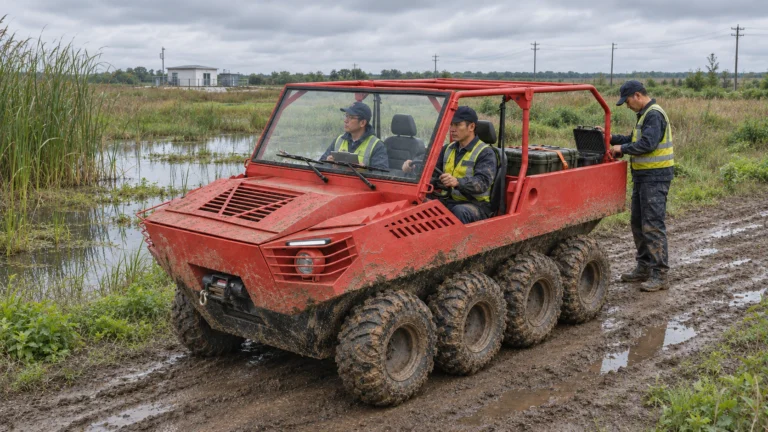
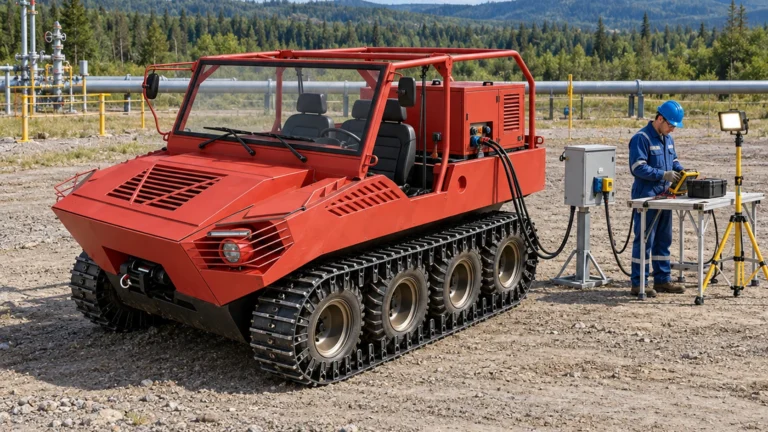
Ask suppliers to price the base vehicle and each option separately. Record whether tires, optional tracks, a winch, cargo restraints or a task module are included, separately quoted or require integration. Confirm who supplies and installs the equipment, its effect on available payload, and which parts of the configured vehicle are covered by the acceptance test. Compare seating and usable cargo capacity with the crew and equipment list, including the mass of any fitted module.
For a used vehicle, check wear in the tires or fitted tracks, service history of the driveline, the condition of the hull and seals, and any repairs or modifications affecting the configuration. Ask a qualified inspector to identify work needed before deployment, work expected soon after, and checks that require a controlled test. Put immediate repairs, missing equipment and deferred service on the same cost sheet as the used price. Verify that installed equipment can still be serviced.
Transport, spare parts and training
Ask both suppliers for the same delivery point and a written breakdown of responsibility. Record packing and shipment, insurance, inland delivery, unloading, commissioning and any buyer-paid duties or taxes that apply to the destination. Note the trade term, named place, quote validity, currency and the date or exchange rate used for comparison. List buyer-paid items separately to avoid counting them twice when already included in the quote.
Request a starter-spares list with part numbers, quantities and lead times. Separate consumables, scheduled service items and components that could immobilize the vehicle. Define who trains operators and maintainers, where training happens, what is included and how replacements are trained. For a used unit, confirm access to manuals, service tools and parts for that exact revision. A delivery date has limited value if the crew still needs training or a critical part is unavailable.
Lifecycle maintenance conditions
Choose a common comparison period and estimate duty hours per year. For each candidate, add the configured purchase price, buyer-paid delivery and startup, immediate refurbishment, operating costs, scheduled maintenance, repair allowances and the cost of substitute capacity during downtime. Deduct expected resale value only when there is a defensible basis and apply the same convention to both vehicles. Keep fixed costs and usage-based costs distinct so the model can be recalculated when duty hours change.
Ask who performs scheduled maintenance and warranty work, what the written warranty covers, where major repairs go, and how parts and technical assistance reach the site. Check seasonal storage, cleaning and inspection needs against the proposed service instructions. Run a base case and a case with longer parts lead time or an extra repair. If one assumption changes the ranking, get evidence on that item before awarding the purchase.
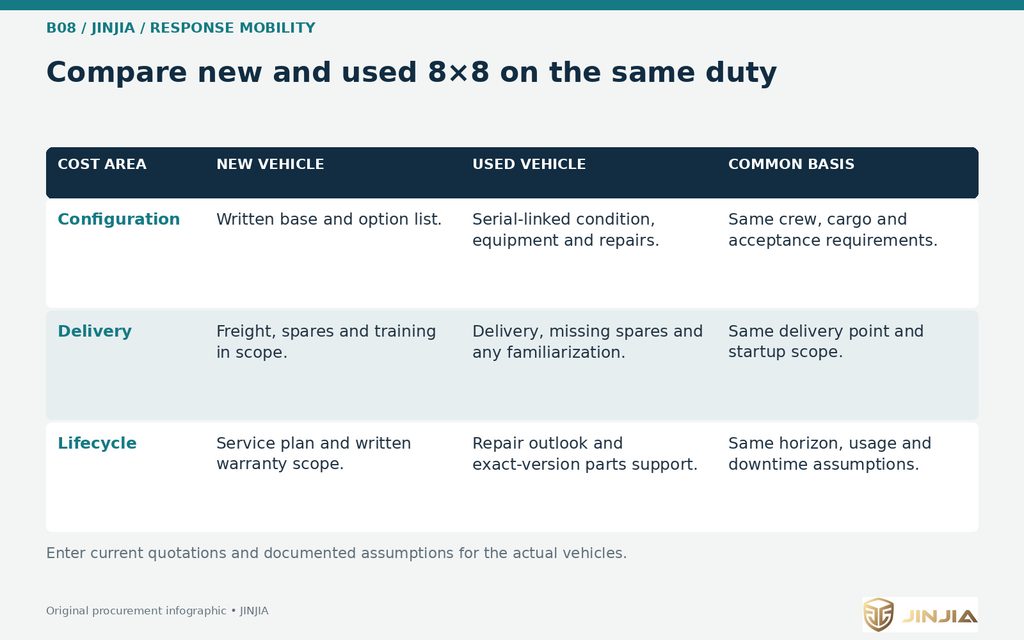
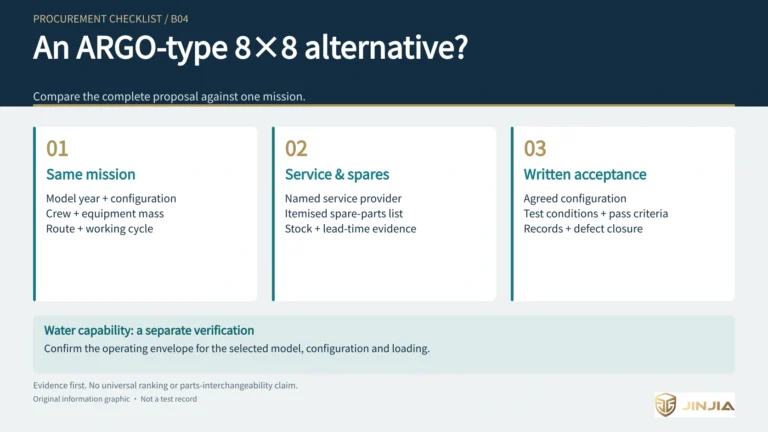
Original procurement infographic for comparing new and used amphibious 8×8 vehicles on the same duty.
Boundaries and alternatives
Use current, configuration-specific quotations. Treat historical prices and seller estimates as inputs to verify. A lower purchase price may be attractive when condition is documented and support is available. A new unit may be preferable when a consistent fleet configuration or a written support commitment matters more. Include a rental, a site trial or a separately contracted transport service when the duty cycle is uncertain. For planned water work, make the written limits and agreed evidence part of the procurement review.
One-page buyer checklist
• Mission. Record route, crew, cargo, fitted equipment, duty hours and required availability.
• Configuration. List standard equipment, priced options, installed equipment and acceptance checks for each candidate.
• Condition. For used equipment, record the serial number, service history, inspection findings and immediate work.
• Handover. Record delivery point, quote scope, startup spares, training and responsible parties.
• Lifecycle. Compare operating, maintenance, repair and downtime assumptions on one period. Mark who supplied each input.
• Decision. Name the missing evidence, acceptance owner and conditions that must be resolved before purchase.
See the amphibious 8×8 platform overview for configuration context. The related topics cover alternatives to ARGO, spare-parts support, procurement specifications and dealer cooperation. Send your route, mission load and working conditions for an 8×8 configuration discussion.
Frequently asked questions (FAQ)
Q: What should a buyer check about vehicle and mission configuration?
A: Ask for a line-item base vehicle and options quote matched to the same crew, equipment, route and acceptance requirements. For a used machine, match installed equipment and the inspection report to the serial number.
Q: How should transport, spare parts and training be documented?
A: Compare quotes at the same named delivery point and record buyer-paid expenses separately. Ask for the starter-spares list, lead times, training scope, commissioning tasks and named owners.
Q: What evidence is needed for lifecycle maintenance conditions?
A: Request the maintenance plan, written warranty scope, service locations, parts lead times and inspection or repair evidence for the specific unit. Compare cost and availability over a common period and test a higher repair or downtime scenario.
Sources and further information
[S91] JINJIA 88D Diesel 8×8 Technical Specification V1.0, 2026-09-08
Manufacturer specification / company input; not independent test evidence.
[S92] JINJIA confirmed 88E/88D product distinctions
Manufacturer specification / company input; not independent test evidence.
[S94] JINJIA amphibious utility vehicle platform