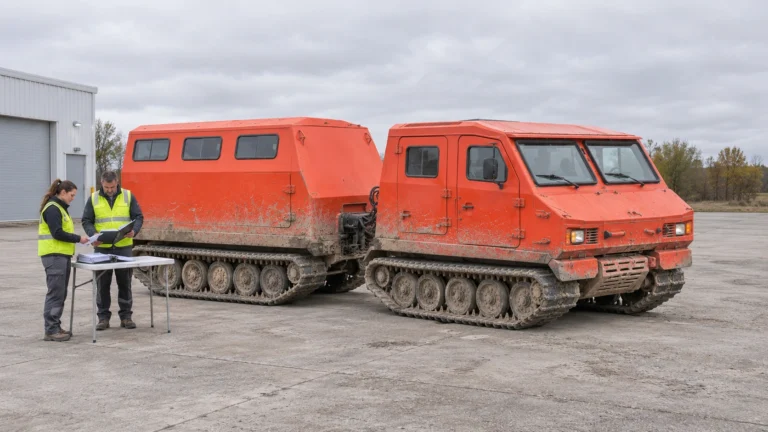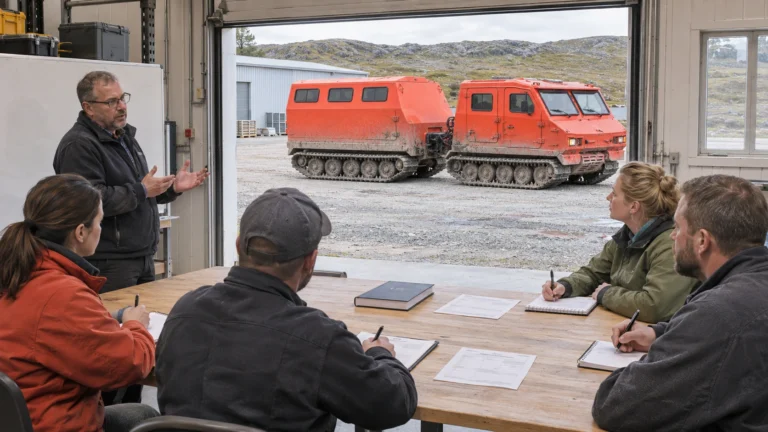











Floods can harm people, homes and essential services. CDC warns the public to stay out of floodwater and not drive through flooded roads [S1]. A tracked vehicle image should not be interpreted as an exception to these public safety messages.
Contents
Flood relief and public safety
Community supplies on dry ground
Ordinary support and technical rescue
Frequently asked questions (FAQ)
References and source boundaries
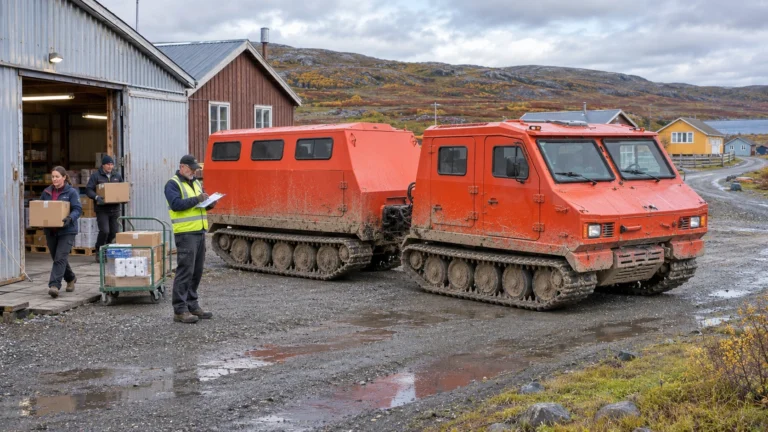
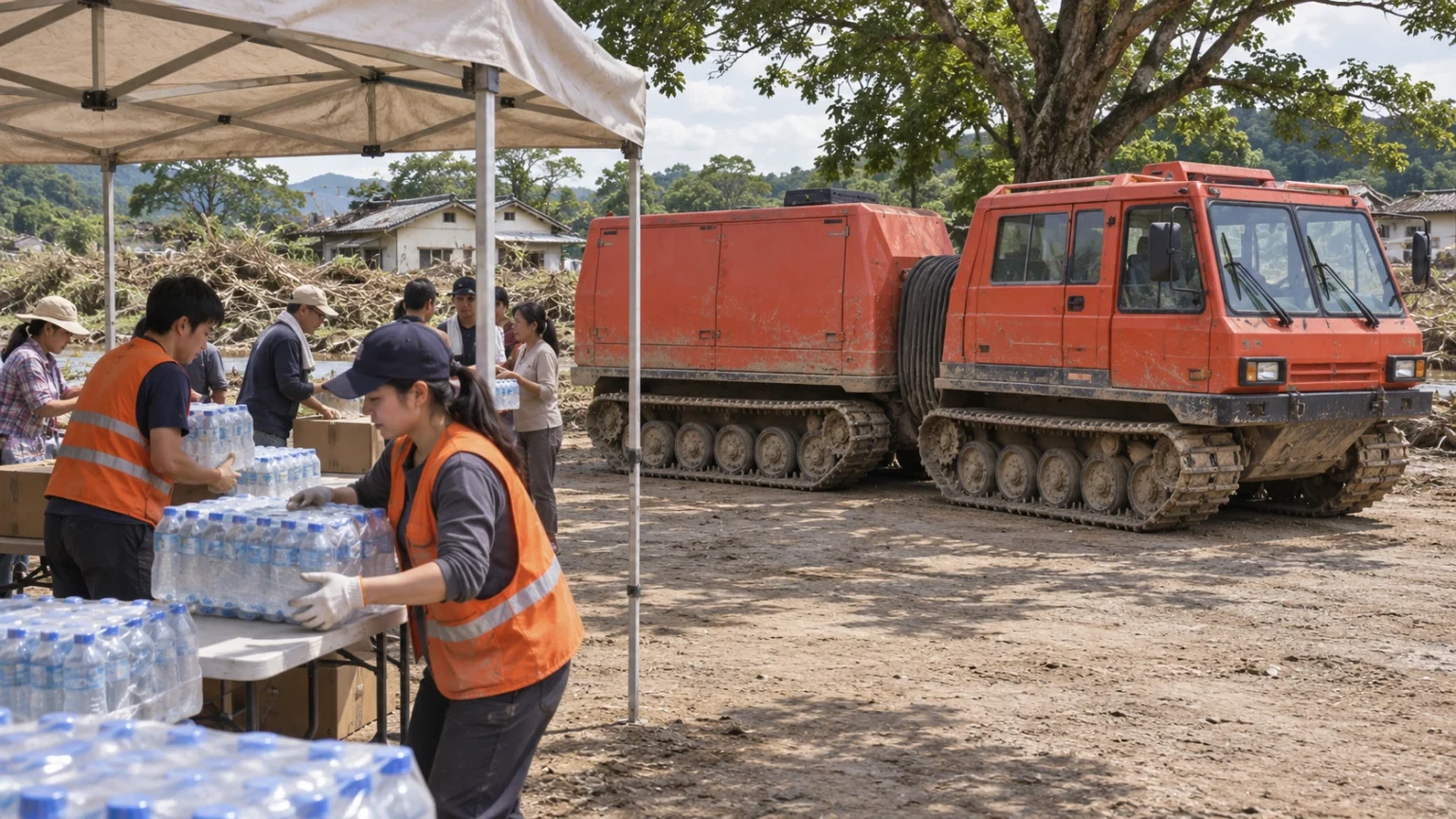
AI concept: A dry community donation point with volunteers and sealed water cartons. Generic civilian carrier; not a verified JJ117 delivery or actual event.
Flood relief and public safety
Floods can harm people, homes and essential services. CDC warns the public to stay out of floodwater and not drive through flooded roads [S1]. A tracked vehicle image should not be interpreted as an exception to these public safety messages.
The subject of this article is civilian public information. A transport category and the organisations responsible for specialist work should not be treated as synonymous.
The distinction matters when publishing articles about civilian equipment: a sector label alone says nothing about an individual project.
Community supplies on dry ground
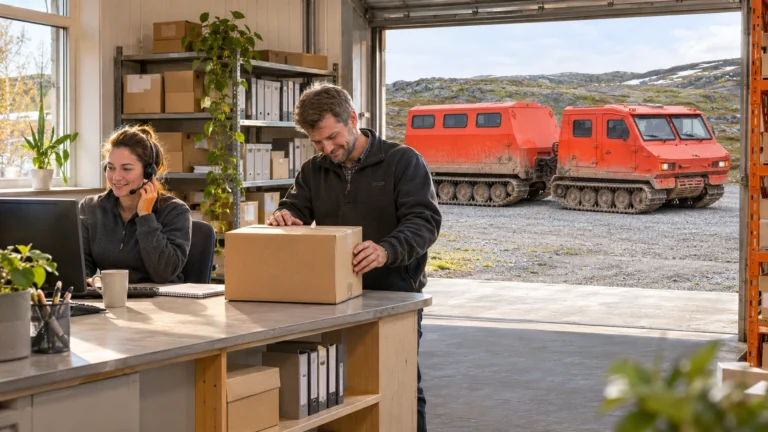
At a community relief centre on dry ground, ordinary supplies such as sealed drinking water, hygiene packs and blankets meet everyday needs. The article’s illustration depicts donated items at a generic public supply point, not a live flood rescue.
The visual context is illustrative. Keep captions explicit about whether a picture is a historical record, a real delivered product or a concept.
AI concept: A dry community donation point with volunteers and sealed water cartons. Generic civilian carrier; not a verified JJ117 delivery or actual event.
Ordinary support and technical rescue
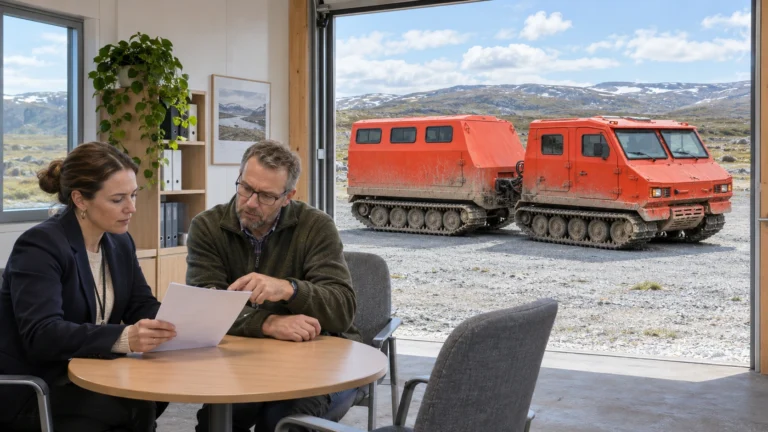
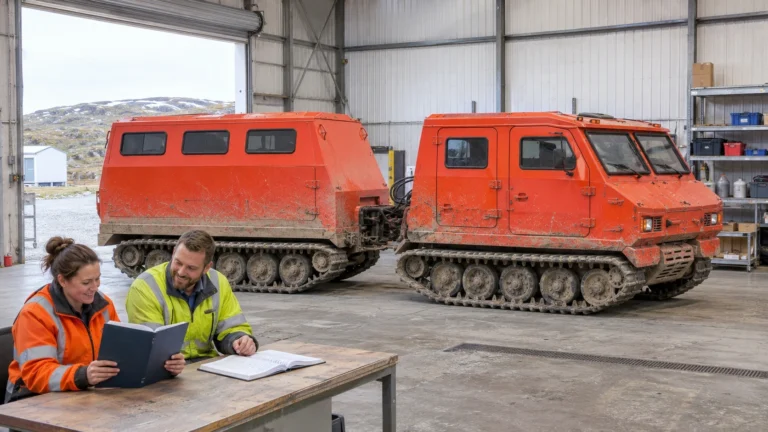
A relief volunteer, a trained rescuer and a medical professional have distinct roles. Bay Search and Rescue describes the importance of training and recognised qualifications [S2]. A civilian goods carrier does not, by itself, constitute a qualified rescue service.
The accompanying graphic groups four information categories so that readers can distinguish the subjects of public materials. It is not an operating procedure.
Each category has its own source and subject, rather than a shared claim of authorisation.
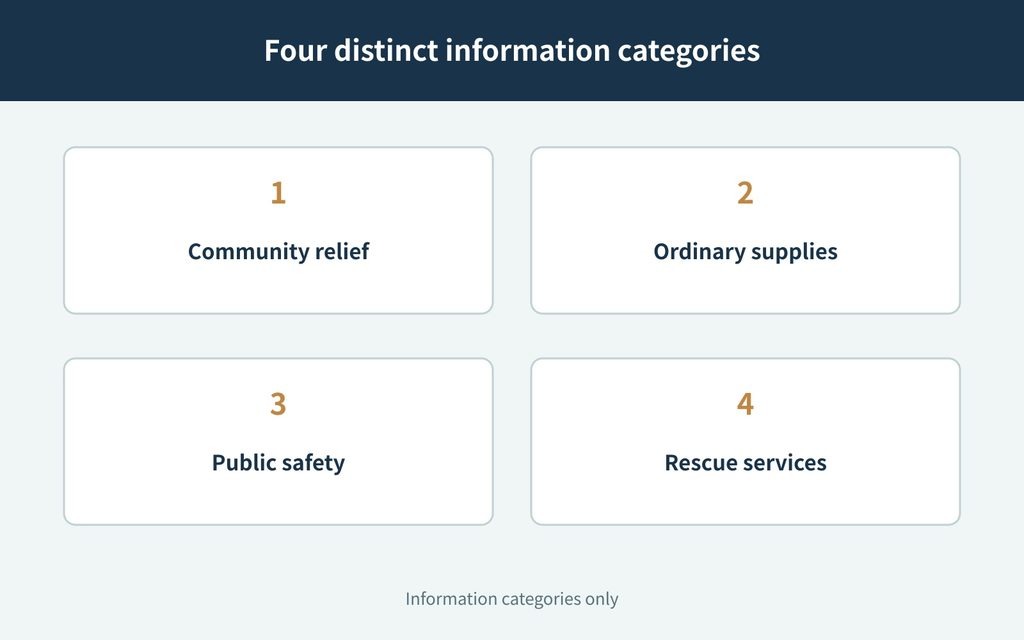
Information categories only; not an operating procedure.
Evidence and responsibilities
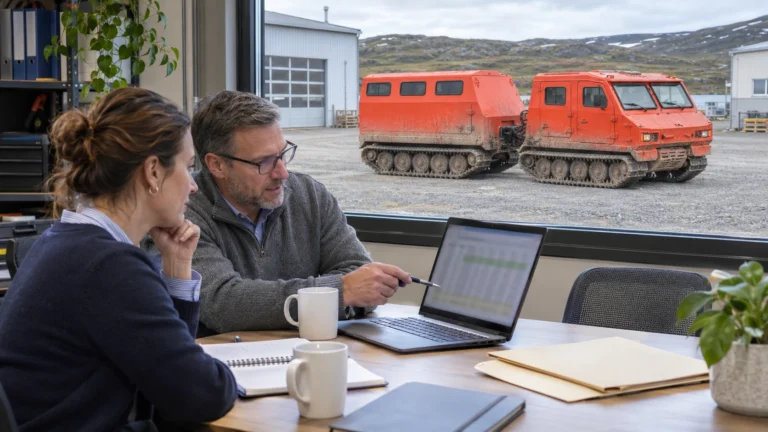
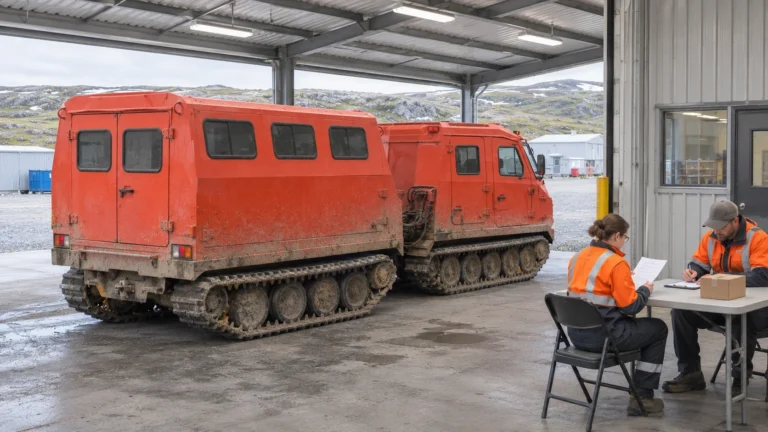
A donation acknowledgement records assistance provided to a community. It is different from an official incident report or a manufacturer description. Avoid treating a photograph as proof that people were rescued or that a vehicle passed a flood test.
When discussing public evidence, preserve the original author, date, and context. A general supplier description does not replace an authoritative decision.
A dated record can establish its stated facts, but not a different model’s performance.
Further reading
Public relief information should respect the dignity of affected residents and avoid disclosing personal details. JINJIA’s public product page [S3] describes equipment; local incident decisions belong to responsible services.
The companion workbook records the identities of public documents, rather than site information or specialised operations. General contact details appear at [S4].
For general brand information, use the published contact page [S4].
View public brand contact details.
Frequently asked questions (FAQ)
A: No. Public guidance remains to avoid floodwater and follow local authorities.
Q: Does a concept picture prove delivery?
A: No. It is an illustration, not an original project record.
Q: What is the purpose of the product page?
A: It provides general manufacturer information, not an independent approval.
Q: Do third-party records establish JJ117 performance?
A: No. The original organisation and subject remain distinct.
Q: Where are the public sources?
A: See the references at the end of the article.
Q: What does the companion register contain?
A: Public document names, issuers, dates and stated subjects.
References and source boundaries
S1: CDC — Safety Guidelines: Floodwater — Public subject-matter source; not a JJ117 test or approval.
S2: Bay Search and Rescue — Skills — Public subject-matter source; preserve original scope.
S3: JINJIA — Tracked Utility Vehicle — Manufacturer product literature.
S4: JINJIA — Contact — Public brand contact information.