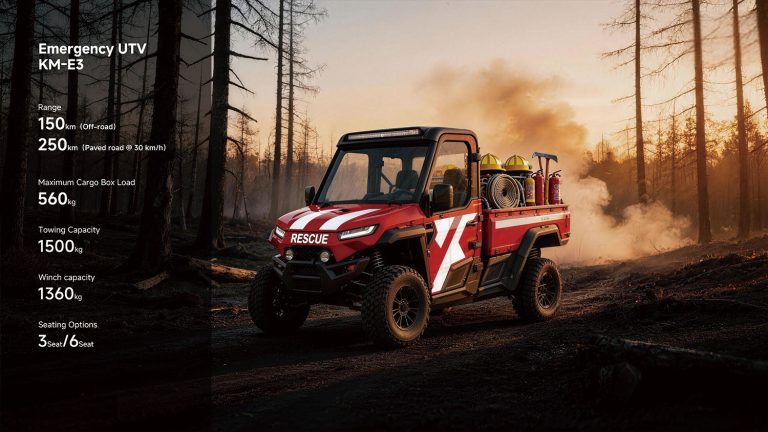












When choosing an off-road vehicle, performance and versatility are important factors, but safety is often the top concern. Many buyers compare ATVs (All-Terrain Vehicles) and UTVs (Utility Task Vehicles) because both are designed for rugged environments. However, their designs are quite different, which can have a significant impact on safety.
So, which is safer: an ATV or a UTV?
In general, UTVs are considered safer than ATVs for most users, thanks to their built-in safety features and vehicle structure. However, the safest choice ultimately depends on how and where the vehicle is used.
Understanding the Difference Between ATVs and UTVs
Before comparing safety, it’s important to understand the basic differences.
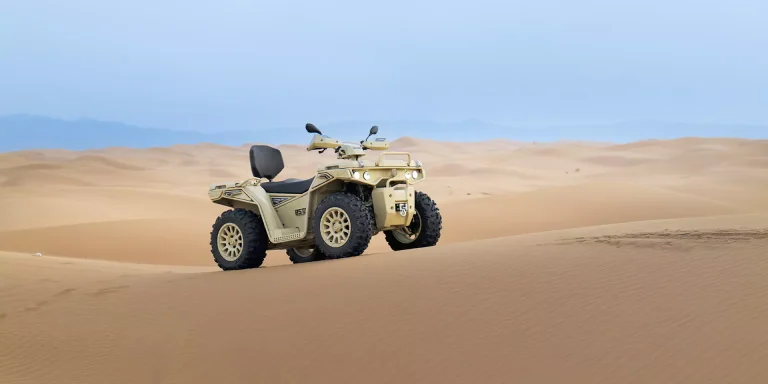
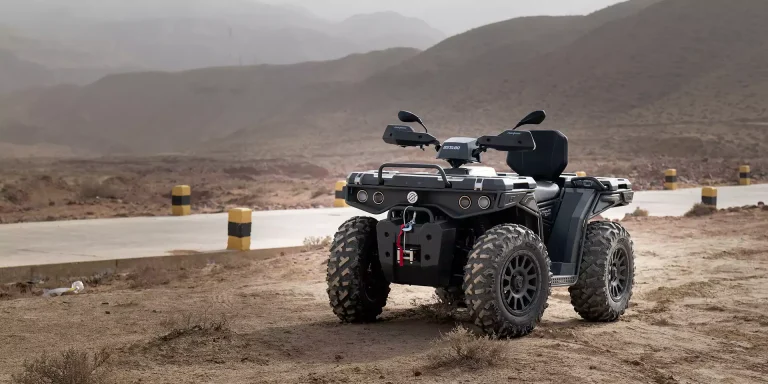
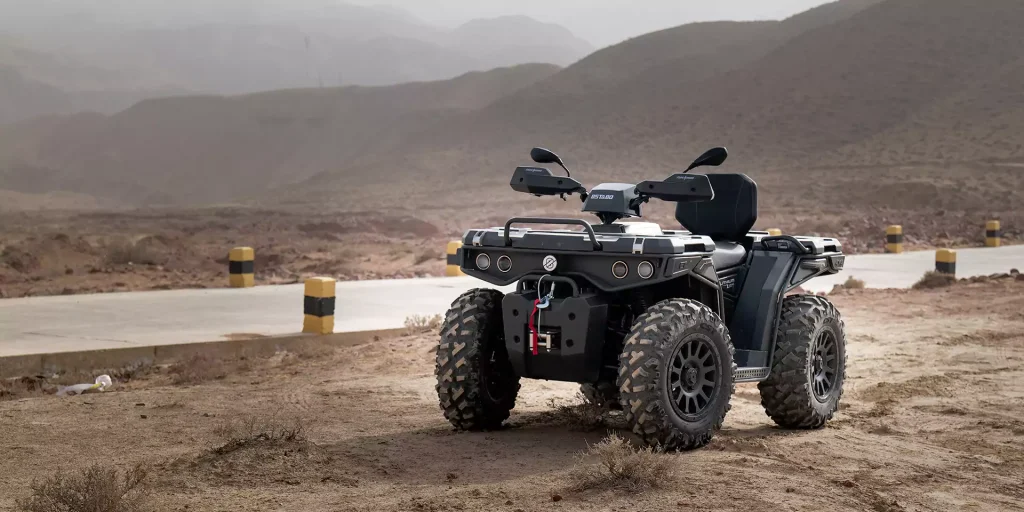
What Is an ATV?
An ATV is a small off-road vehicle that typically:
- Seats one rider (sometimes two)
- Uses handlebars for steering
- Requires the rider to shift body weight while turning
- Has an open design without a protective cabin
ATVs are known for their agility and maneuverability on narrow trails and rough terrain.
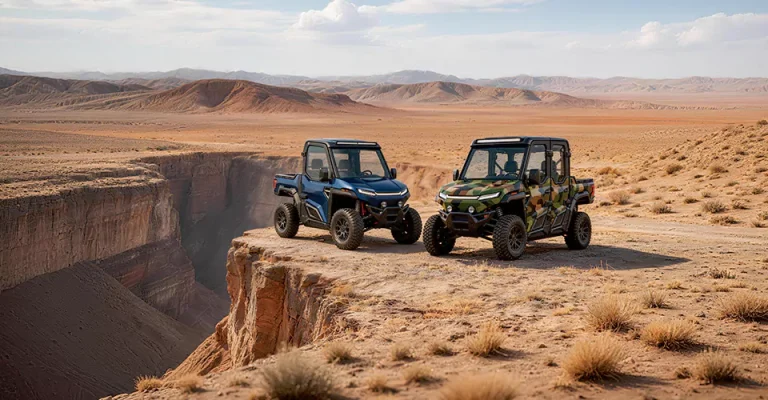
What Is a UTV?
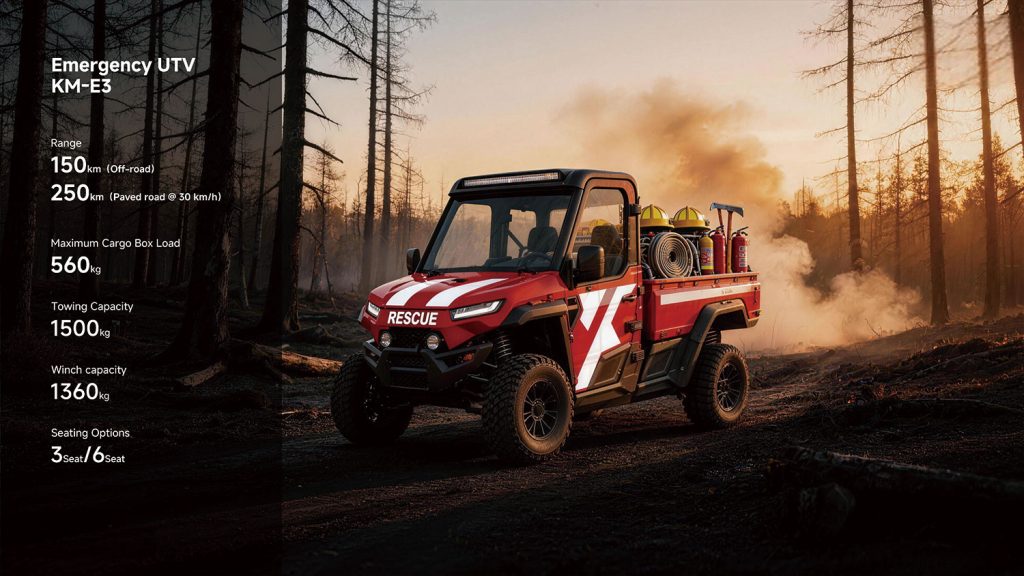
A UTV, often called a side-by-side, typically:
- Seats two to six occupants
- Uses a steering wheel and foot pedals
- Features bucket seats
- Includes seat belts
- Often comes with a roll cage and protective frame
UTVs are designed for both recreation and utility work, offering greater passenger capacity and cargo space.
Why UTVs Are Generally Considered Safer
1. Built-In Roll Over Protection
One of the biggest safety advantages of UTVs is the presence of a Roll Over Protective Structure (ROPS), commonly known as a roll cage.
If the vehicle tips over, the roll cage helps protect occupants from being crushed.
Most ATVs do not have this type of protection, leaving riders more exposed during accidents.
2. Seat Belts Improve Occupant Security
UTVs typically include factory-installed seat belts that help keep occupants inside the protective zone of the vehicle during sudden movements or rollovers.
ATVs rely primarily on rider positioning and balance, which means occupants can be thrown from the vehicle more easily during an accident.
3. Greater Stability
UTVs generally have:
- A wider wheelbase
- A lower center of gravity
- Four-point vehicle support
These characteristics can improve stability, especially when carrying passengers or equipment.
While both vehicles can overturn under certain conditions, UTVs are often less prone to tipping during routine operation.
4. Easier for Beginners to Operate
Driving a UTV is similar to operating a small car.
The steering wheel, pedals, and seating position make it more familiar for many users. In contrast, ATVs require riders to actively shift their weight when cornering or navigating uneven terrain.
For inexperienced operators, UTVs are often easier to control safely.
Situations Where ATVs Have Safety Advantages
Although UTVs generally offer more built-in protection, ATVs have some advantages in specific situations.
Better Maneuverability
ATVs can navigate:
- Narrow forest trails
- Tight corners
- Dense vegetation
- Restricted access areas
In environments where larger vehicles struggle, an ATV may reduce the need for risky maneuvers.
Lighter Weight
Because they are smaller and lighter, ATVs may place less stress on soft terrain and can sometimes recover more easily when stuck.
However, lighter weight should not be confused with greater safety overall.
Essential Safety Tips
Whether you choose an ATV or a UTV, following proper safety practices is critical.
For ATV Riders
- Always wear a helmet
- Use eye protection and protective clothing
- Avoid carrying extra passengers unless designed for two riders
- Maintain proper body positioning while riding
- Follow manufacturer weight limits
For UTV Operators
- Always wear seat belts
- Keep arms and legs inside the vehicle
- Ensure all occupants are properly seated
- Avoid excessive speeds on uneven terrain
- Use doors or safety nets when equipped
Conclusion
When comparing safety alone, UTVs generally have the advantage over ATVs. Features such as roll cages, seat belts, wider stances, and enclosed seating areas provide a higher level of occupant protection. These advantages make UTVs a popular choice for farms, industrial sites, rescue operations, and recreational users seeking additional security.
That said, no off-road vehicle is completely risk-free. Proper training, responsible driving, and appropriate safety equipment remain the most important factors in preventing accidents.
If you’re looking for professional off-road transportation solutions, including utility vehicles and specialized terrain equipment, JINJIA Special Equipment can provide expert guidance and customized solutions. For more information, please contact panjun@responsemobility.com.