

Oilfield UGV pilot acceptance should answer a purchasing question: can the proposed system deliver a useful task on this site with an acceptable operating burden? Agree the task, configuration, evidence and decision owner before mobilisation. A clear record of incomplete work can be more useful than an attractive demonstration that conceals the remaining effort.
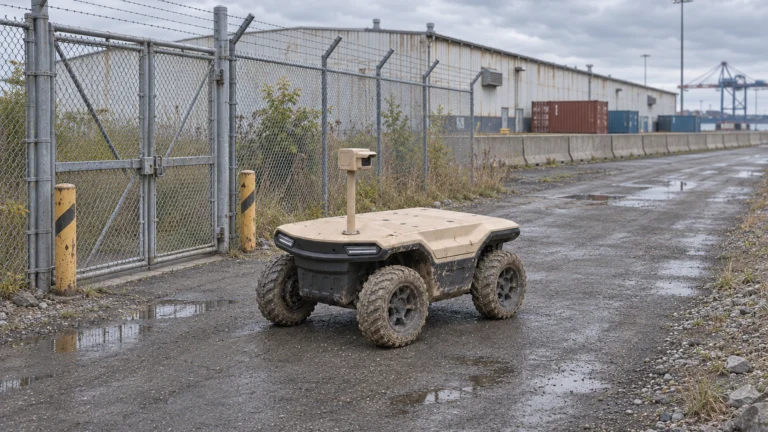
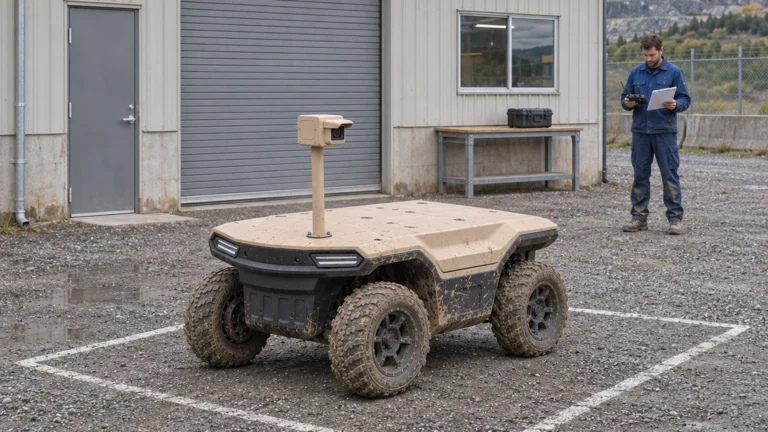
Delta 150 is JINJIA’s four-wheel UGV in the 150 kg payload class. AGV here means Autonomous Ground Vehicle with a defined payload and control scope; Automated Guided Vehicle is another industrial meaning. The illustrated observation configuration is a concept. This guide concerns a proposed permitted non-hazardous-area trial, not an installed oilfield system or approval for hazardous entry.
At a glance
• Agree the purchase question and acceptance record before arrival.
• Separate factory checks from evidence that requires the actual site.
• End with a purchase, bounded extension or explicit exit decision.
Contents
Bound the task in a permitted non-hazardous area
Name the business, budget and procurement owners
Separate FAT evidence from SAT evidence
Measure routes, data, interventions and energy
Distinguish a 30-day observation window from the engineering cycle
Decide to buy, extend within limits or exit
Frequently asked questions (FAQ)
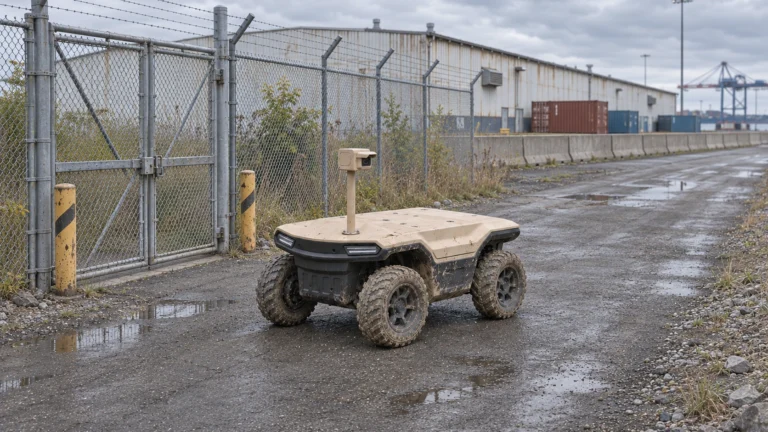
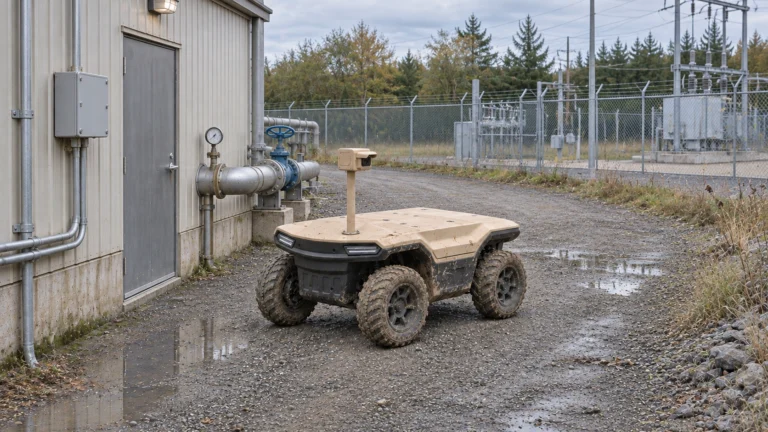
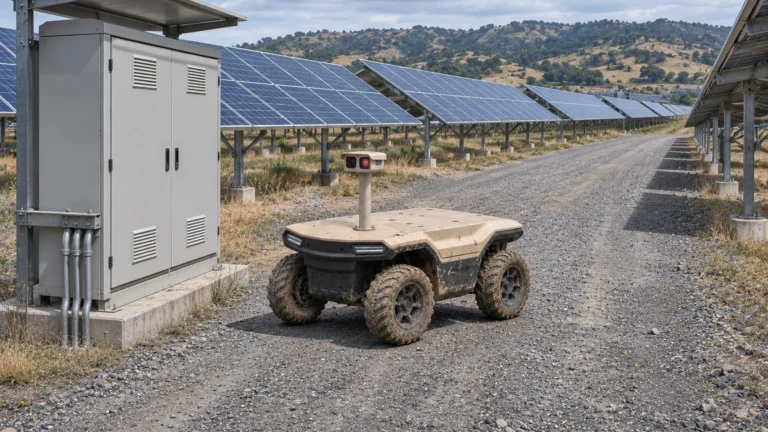
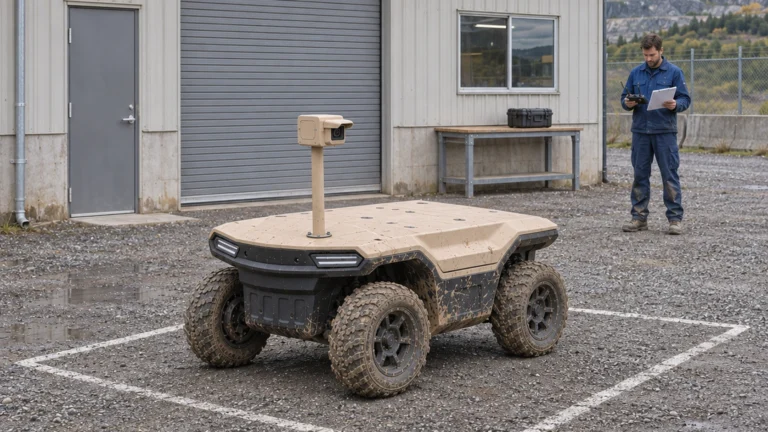
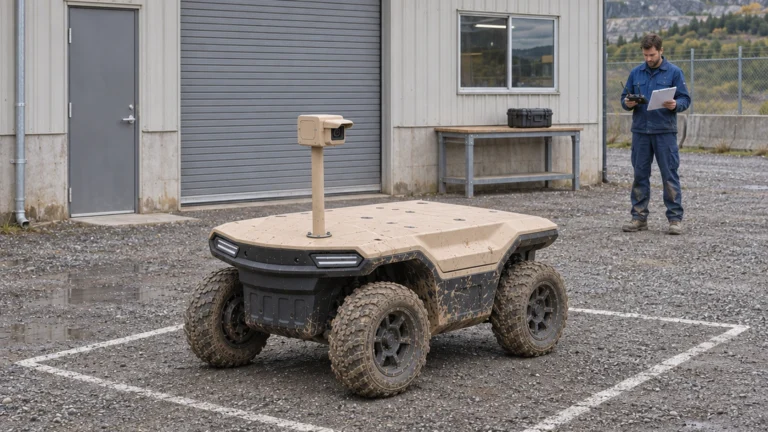
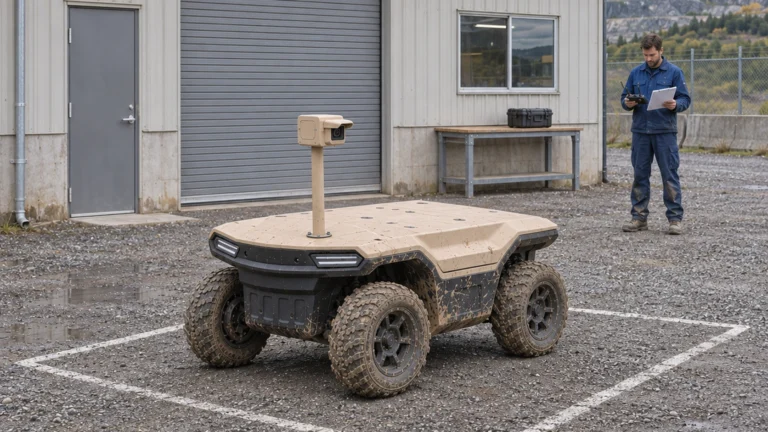
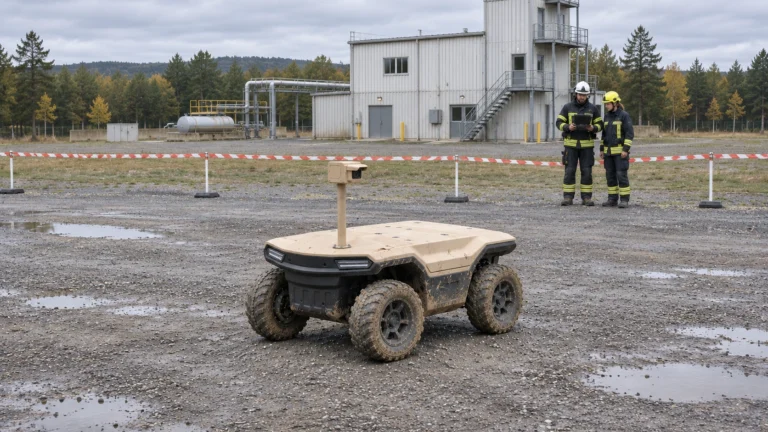
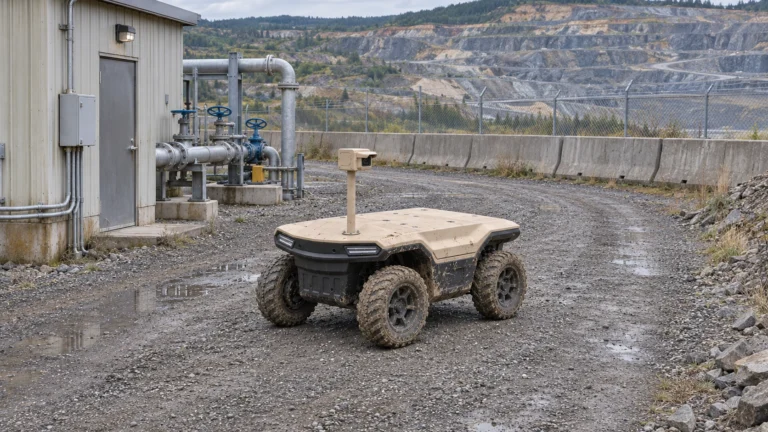
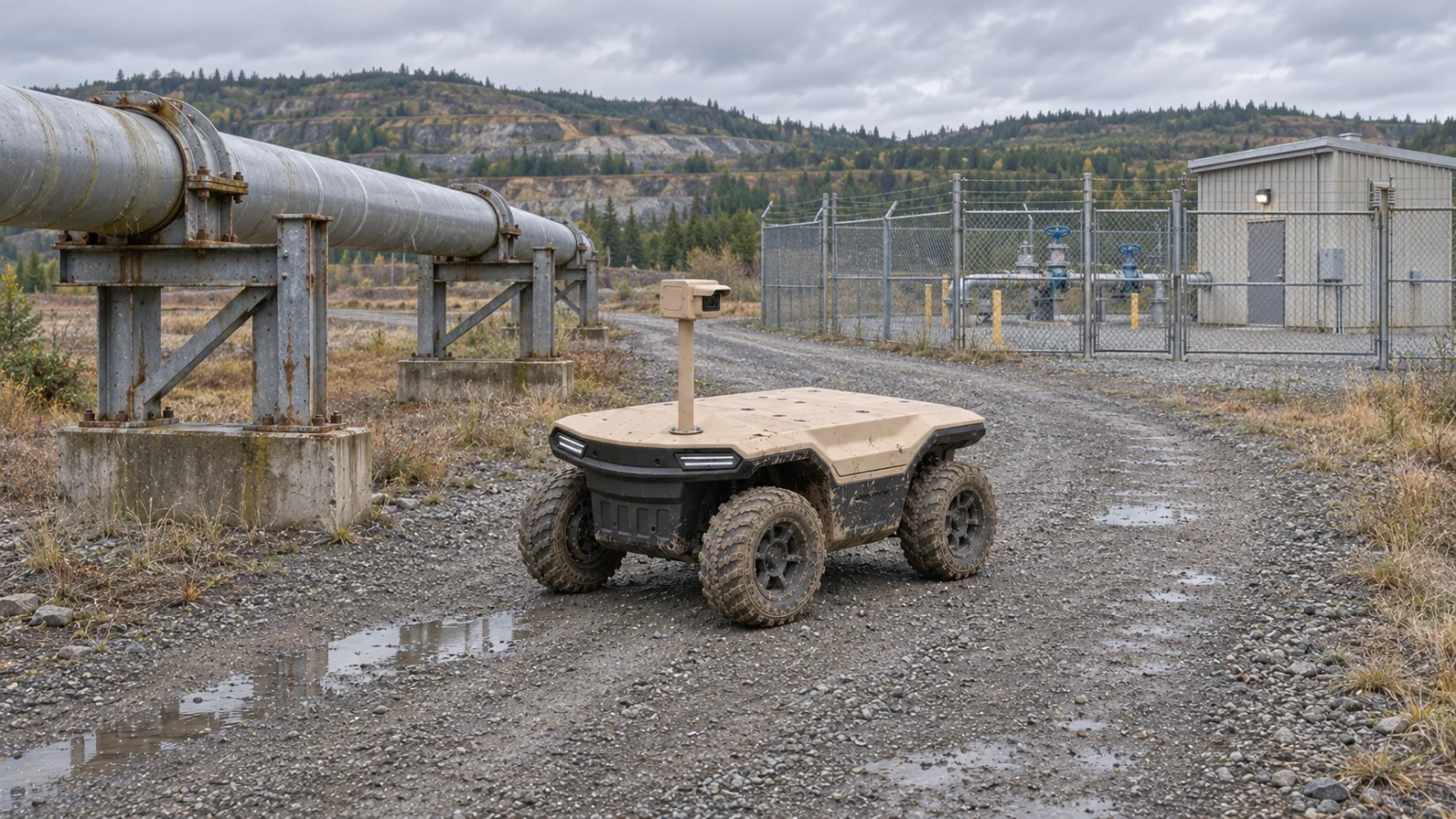
AI concept: proposed task-equipped Delta 150; configuration subject to confirmation.
Bound the task in a permitted non-hazardous area
Choose one useful output, such as accepted external-condition images from named observation points on a service route. State the required detail, original-time record and receiving team. Mark the permitted area, outward and return path, crossings, waiting locations and recovery access. Keep internal pipe inspection, gas measurement and other specialist work outside this scope unless separately defined and accepted.
Have the asset owner confirm the actual area and access conditions. Electric drive and an ingress rating do not establish explosion protection. HSE explains the distinction between electrical equipment and ignition suitability; applicable local requirements and the complete configuration still govern entry. Stop or revise the route if its classification, permissions or environment changes. Do not label an unassessed corridor non-hazardous merely to simplify the trial.
Name the business, budget and procurement owners
Identify who owns the operational problem, who receives the records, who controls the budget and who can approve a purchase. Include the people responsible for site access, IT or communications and local support. One enthusiastic technical contact cannot by themselves establish procurement readiness. Agree the evidence each decision-maker needs and the date at which the team will review it.
Record the current method and task volume before comparing alternatives. If staff inspect ten points while the proposed robot observes five, preserve that scope difference. Define the approved trial resources, named operators and escalation path. Agree in advance what would justify proceeding, changing a defined element or retaining the current method, so that the trial does not become an indefinite series of demonstrations.
Separate FAT evidence from SAT evidence
Use factory acceptance testing, or FAT, for agreed checks that can be performed before shipment: configuration identity, fitted payload, documented interfaces and controlled function demonstrations. Record versions, test conditions, results and open items. A factory route cannot demonstrate the customer’s actual radio screening, traffic permissions, observation quality or charging access. State the limits of each factory result.
Use site acceptance testing, or SAT, for the installed task at the destination. Check permitted movement, useful views, communications, operator takeover, recovery, replenishment and data receipt with the responsible site team. Link each requirement to a test, acceptance rule and sign-off owner. NIST’s repeatable capability approach informs this evidence design; no Delta certification or universal pass rate is implied.
Measure routes, data, interventions and energy
Keep the scheduled tasks as the denominator. Log attempted and accepted points, missed observations, unusable images, delays and reasons for intervention. Preserve original observation time, location, file reference and the receiving team’s quality decision. Route completion alone does not establish task completion. A later manual correction should remain visible in the record instead of replacing the original failure.
Measure the complete shift: preparation, travel, stops, remote operation, review, charging or battery handling, cleaning and recovery. Record the actual payload and operating mode with energy observations. Do not convert a catalogue range or a short clear-day run into a shift guarantee. If a direct API is unconfirmed, an agreed controlled export can test record usefulness while integration remains a separate deliverable.
Distinguish a 30-day observation window from the engineering cycle
A proposed 30-day window can organise selected repeated observations, but it does not by itself establish all-season reliability or complete an engineering programme. Define which task cycles and conditions the window will actually include. Separate setup and integration time from the observation period, and identify weather, shift or traffic conditions that remain untested at its end.
List the wider work: design and configuration review, approvals, procurement, FAT, transport, installation, training, SAT and support readiness. Assign owners and dependencies without inventing a standard lead time. Change control matters during the observation period: a new sensor, software revision or route may require affected tests to be repeated. A longer calendar period is useful only if it resolves a named uncertainty.
Decide to buy, extend within limits or exit
At close-out, give procurement the tested configuration and conditions, accepted-task record, interventions, full support workload, cost assumptions and remaining actions. Use project-specific thresholds agreed before the trial. Proceed only for the accepted scope; unresolved conditions should become explicit restrictions or closure items rather than disappearing from the purchase recommendation.
If a bounded extension is justified, name the single uncertainty, changed input, owner, additional resources and end condition. Exit when no useful task remains, permissions are unsuitable or the operating burden exceeds the agreed value. Send JINJIA the task, route, payload, shifts and interfaces to plan the next step. Delta 500 and Delta 1000 require separate assessment; results do not transfer automatically across builds.
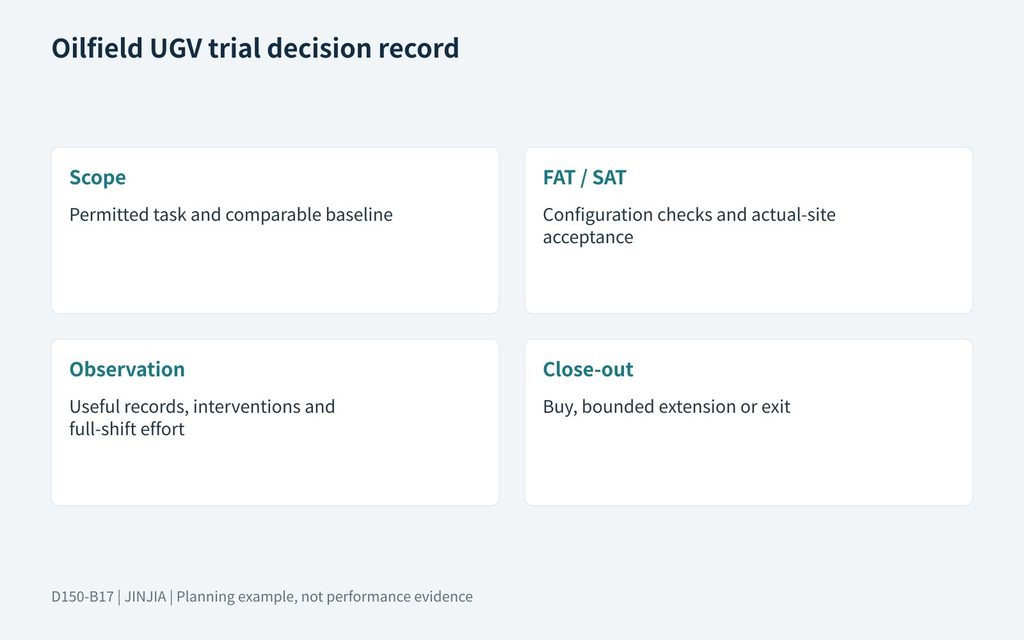
JINJIA planning framework; example inputs are not test results.
| Evidence stage | Decision purpose |
| Scope | Permitted task and comparable baseline |
| FAT / SAT | Configuration checks and actual-site acceptance |
| Observation | Useful records, interventions and full-shift effort |
| Close-out | Buy, bounded extension or exit |
Send the task, route, payload, shifts and interface requirements to scope a Delta 150 evaluation.
Frequently asked questions (FAQ)
A: Agree one useful task, its permitted area and an accepted-record rule before mobilisation.
Q: Does FAT replace SAT?
A: No. Site conditions and the installed operating process need site evidence.
Q: What belongs in the task denominator?
A: Scheduled tasks, including missed and failed observations.
Q: Does 30 days prove all-season reliability?
A: No. Document the actual cycles, conditions and remaining uncertainties.
Q: When is an extension justified?
A: When it addresses a named uncertainty with an owner, resources and an end condition.
Q: What should procurement receive?
A: Tested scope, accepted tasks, interventions, support effort, costs, open actions and a buy, revise or exit recommendation.
Sources and further reading
Platform context; integration scope requires project confirmation.
NIST — Performance of emergency response robots
Repeatable capability measurements and user-defined mission thresholds; no Delta test, certification or endorsement is claimed.
HSE — Electricity in potentially explosive atmospheres
General ignition and equipment-suitability distinction. Site classification and applicable local requirements govern access; UK rules are not universal.