

The useful patrol robot vs drone comparison starts with one observation task and the same completion rule. A broad aerial view, a continuous fixed view and a close ground-level view answer different questions. Select the combination that closes an evidenced gap while the team retains a workable review and response process.
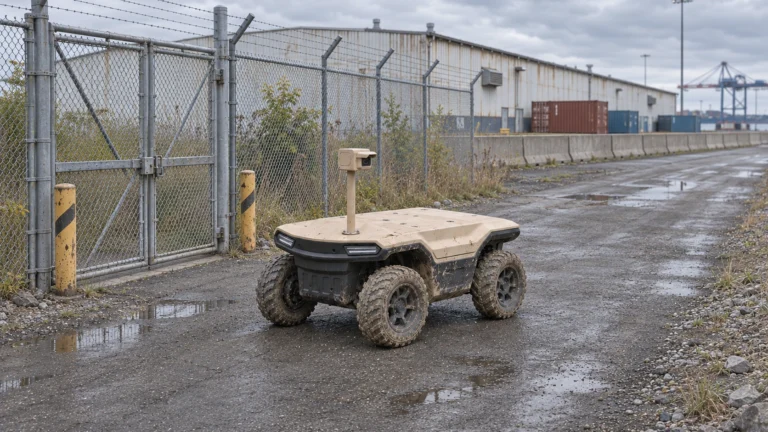
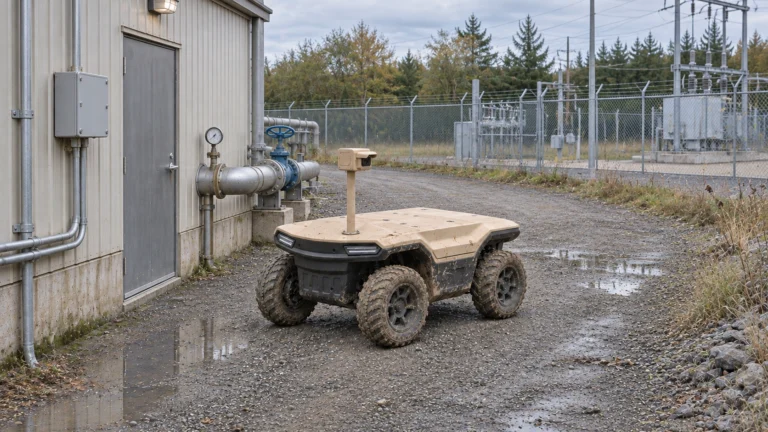
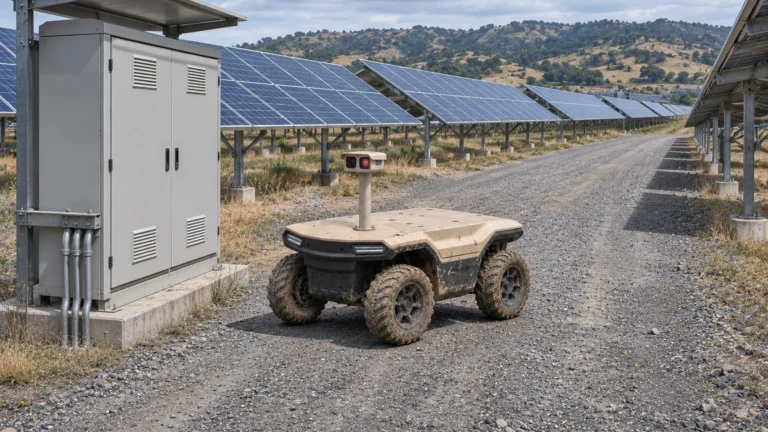
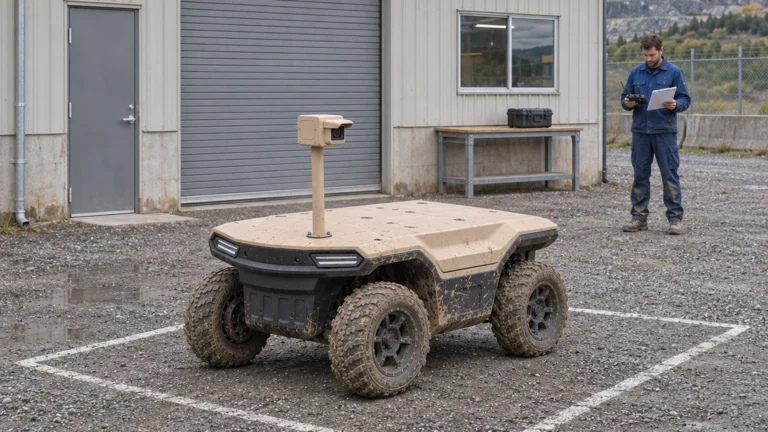
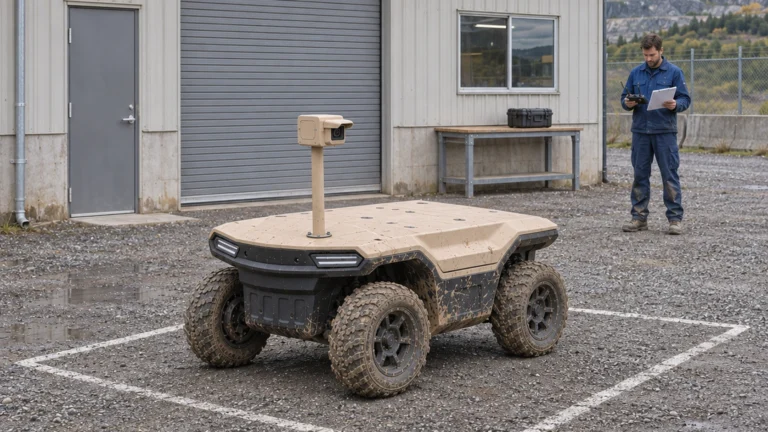
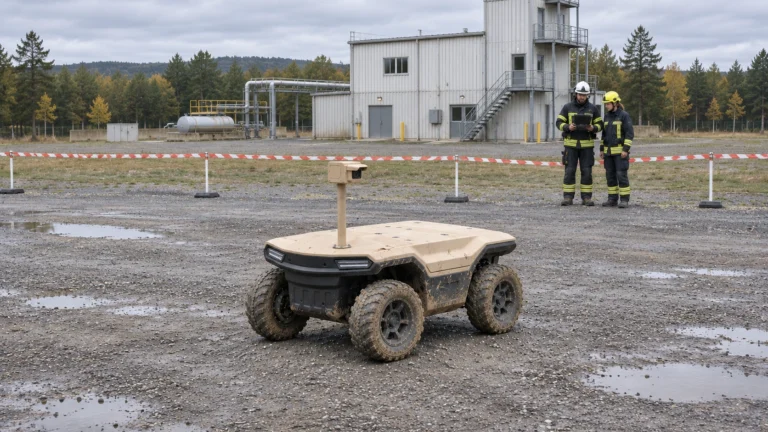
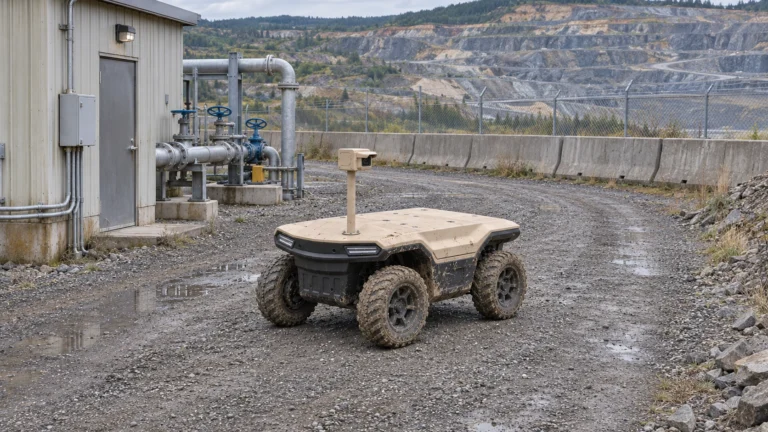
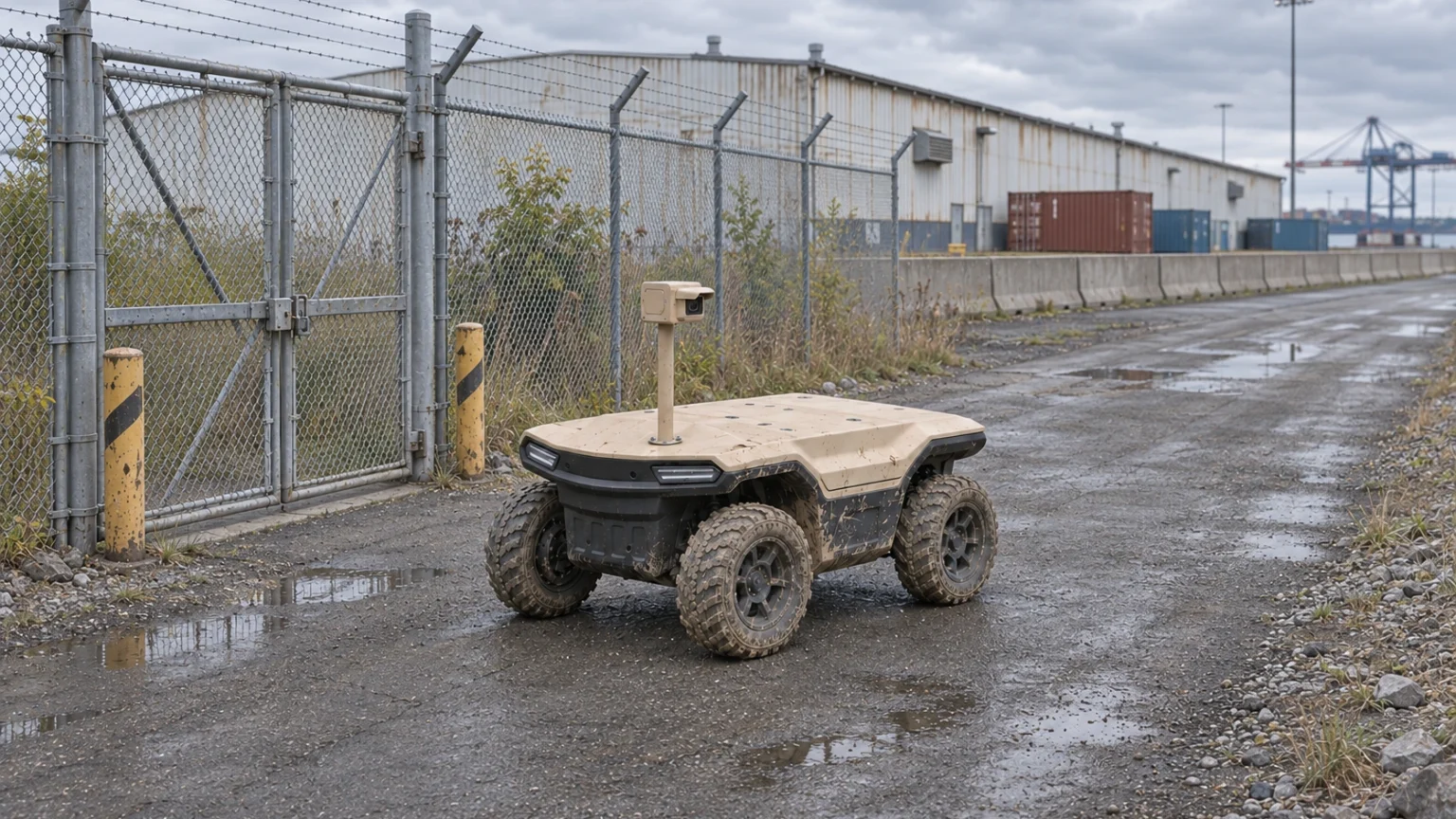
Delta 150 is JINJIA’s four-wheel UGV in the 150 kg payload class. Here an observation AGV means an Autonomous Ground Vehicle with a confirmed payload and control scope; Automated Guided Vehicle is another industrial meaning. The illustrated ground-camera configuration is a concept. This comparison assigns questions to test, not performance scores or an automatic winner.
At a glance
• Use one task, completion rule and time window for every option.
• Measure the full observation-to-response chain.
• Add equipment only when it closes a gap worth its full operating effort.
Contents
Set a task-based comparison baseline
Compare viewpoints, coverage, dwell and weather
Retain human review and on-site response
Include power, networks and maintenance
Calculate cost per effective task
Choose a complementary mix or do not purchase
Frequently asked questions (FAQ)
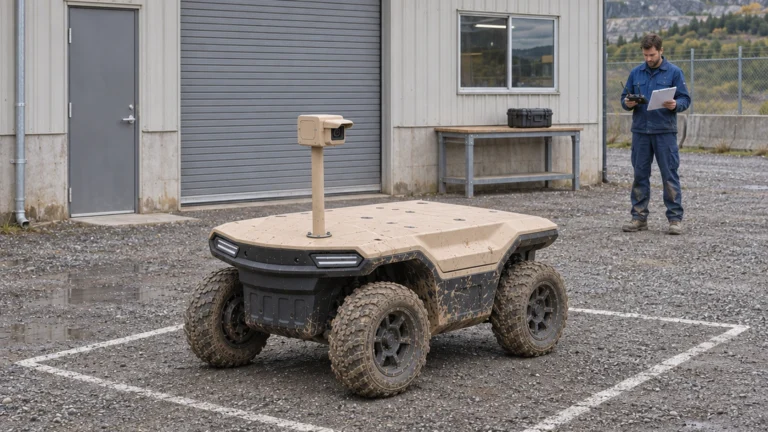
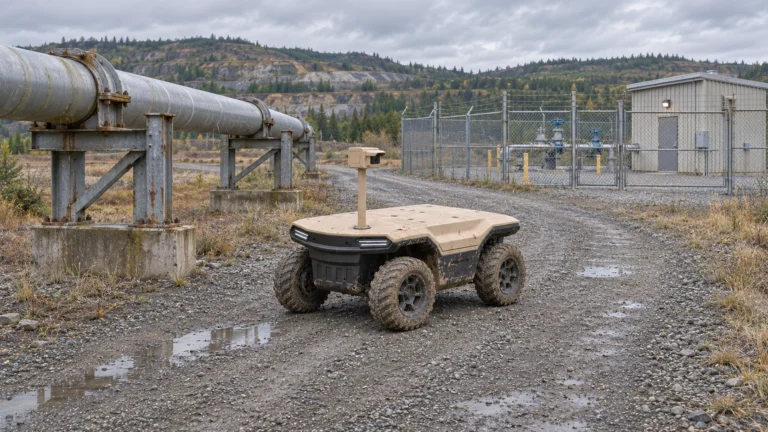
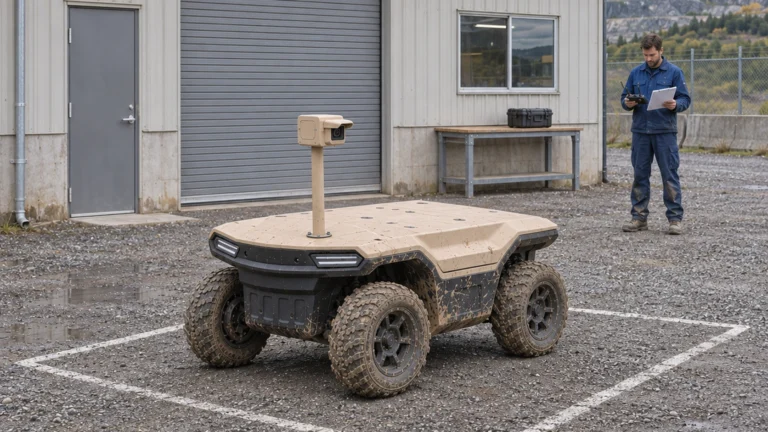
AI concept: proposed task-equipped Delta 150; configuration subject to confirmation.
Set a task-based comparison baseline
Write the question before listing platforms. For example, a site may need a useful image of a closed service gate during defined patrol windows. Specify the required detail, authorised viewing positions, delivery time and reviewer. Record how people and current cameras complete that task today, including missed observations and repeat visits. Keep the same requirements when testing a drone or a ground robot.
Define a completed task as an accepted record delivered within the useful window, with a known location and original time. Decide how to treat an obscured image, unavailable route or unapproved flight. Do not compare kilometres travelled with camera uptime as though they were the same output. NIST’s capability-measurement approach supports separating abilities and mission requirements; it does not rank these four options or validate Delta.
Compare viewpoints, coverage, dwell and weather
Map what each candidate can actually see. Test whether a fixed view covers the required detail, whether an aerial view resolves the question, and whether a ground camera can reach a useful position. A person may still be needed for an approved close inspection or a task requiring physical access. Record occlusion and inaccessible surfaces instead of assuming that mobility eliminates blind spots.
For each proposed configuration, verify the required dwell and revisit interval under representative lighting and weather. Check lens contamination, local permissions and the conditions that suspend the task. Drone operation requires its own applicable permission and operating assessment. A robot also needs a permitted route. Use the resulting task records rather than generic range, flight-time or all-weather claims to compare coverage.
Retain human review and on-site response
Ask who receives the observation, verifies an event and decides the next action. A detected object, a usable image and a resolved incident are different outputs. Specify the evidence and uncertainty that the control room must receive. Where a security event requires a person at the site, include that response process in every option, including the current human patrol baseline.
Test a complete handover using representative benign events agreed by the site. Retain missed events, duplicate alerts, delayed records and manual interventions. Avoid treating analytics as a replacement for judgement without evidence for the exact task. ProtectUK’s CCTV guidance connects camera purpose with operational use; it does not establish that any mobile platform replaces guards or existing fixed coverage.
Include power, networks and maintenance
Build an operating plan for each option. Include power or charging access, network coverage, data storage, equipment checks and a person who owns faults. A fixed installation can require site works; mobile equipment can require recovery, charging or launch and landing arrangements. The comparison should record the actual proposed system rather than assigning generic burdens to an entire technology category.
Measure preparation, remote supervision, image review, cleaning, charging, recovery and maintenance time. Check whether existing staff can genuinely absorb those tasks during the intended shifts. Define what remains available when a link, camera, route or charging point fails. An alternative that supplies useful information only in a narrow approved window may still help, but it should not be priced or described as continuous coverage.
Calculate cost per effective task
Use one evaluation period and currency. Count equipment, integration, site preparation and recurring support within the agreed boundary. Divide the comparable cost by accepted tasks under the same completion rule. Preserve failed attempts and work needed to recover them. If accepted tasks are zero or the input evidence is missing, report the result as unavailable rather than producing a reassuring unit cost.
Separate cash expenditure that can actually be removed from staff time released for other duties. Do not count the full salary as savings if the post remains. Compare a conservative case as well as the base estimate, using measured interventions, availability and useful output. This is a planning comparison, not a promised financial return or an unsupported claim that a robot is cheaper than a drone.
Choose a complementary mix or do not purchase
Consider improving an existing camera position, adjusting a patrol schedule or combining a fixed alarm view with an authorised mobile follow-up. A ground robot is a candidate when a useful ground observation gap remains, the route is permitted, and the full operating process can be supported. A drone is a separate candidate when its tested view and permitted operating conditions fit the question.
Do not purchase extra equipment if current coverage already meets the task, if no acceptable route or permission exists, or if the remaining workload outweighs the benefit. Set a review point and a stop condition before a trial. Send JINJIA the current patrol, camera and drone baseline to discuss a Delta 150 role. Assess Delta 500 and Delta 1000 separately when the load or mission changes.
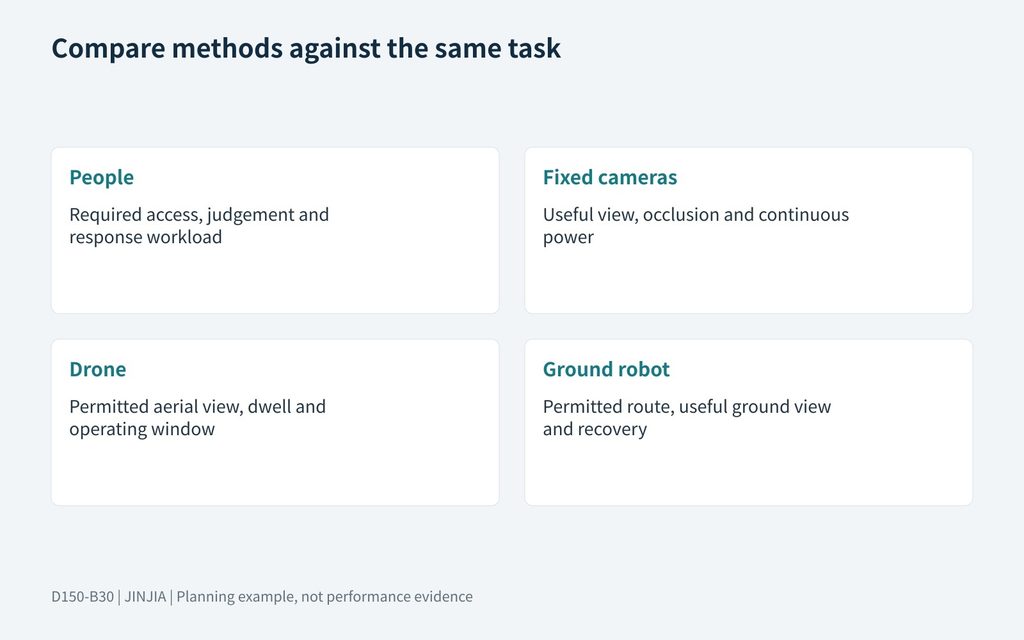
JINJIA planning framework; example inputs are not test results.
| Option | Question to test |
| People | Required access, judgement and response workload |
| Fixed cameras | Useful view, occlusion and continuous power |
| Drone | Permitted aerial view, dwell and operating window |
| Ground robot | Permitted route, useful ground view and recovery |
Send the current people, camera and drone coverage and cost baseline to discuss a Delta 150 role.
Frequently asked questions (FAQ)
A: The method or combination that meets the defined task with acceptable evidence and effort.
Q: Does mobile coverage eliminate blind spots?
A: No. Test the required viewpoint and retain inaccessible or obscured areas.
Q: Does a robot replace on-site response?
A: Not by default. Define the human review and response process.
Q: How should costs be compared?
A: Use the same period, currency, scope and accepted-task denominator.
Q: Are released staff hours cash savings?
A: Only count removed spending as cash savings; report released time separately.
Q: When should a site avoid new equipment?
A: When current coverage meets the task, access is unsuitable or the full operating burden outweighs the benefit.
Sources and further reading
Platform context; integration scope requires project confirmation.
NIST — Performance of emergency response robots
Repeatable capability measurements and user-defined mission thresholds; no Delta test, certification or endorsement is claimed.
ProtectUK — CCTV operational requirements
Observation purpose, viewing conditions and operator requirements; general guidance, not Delta performance evidence.